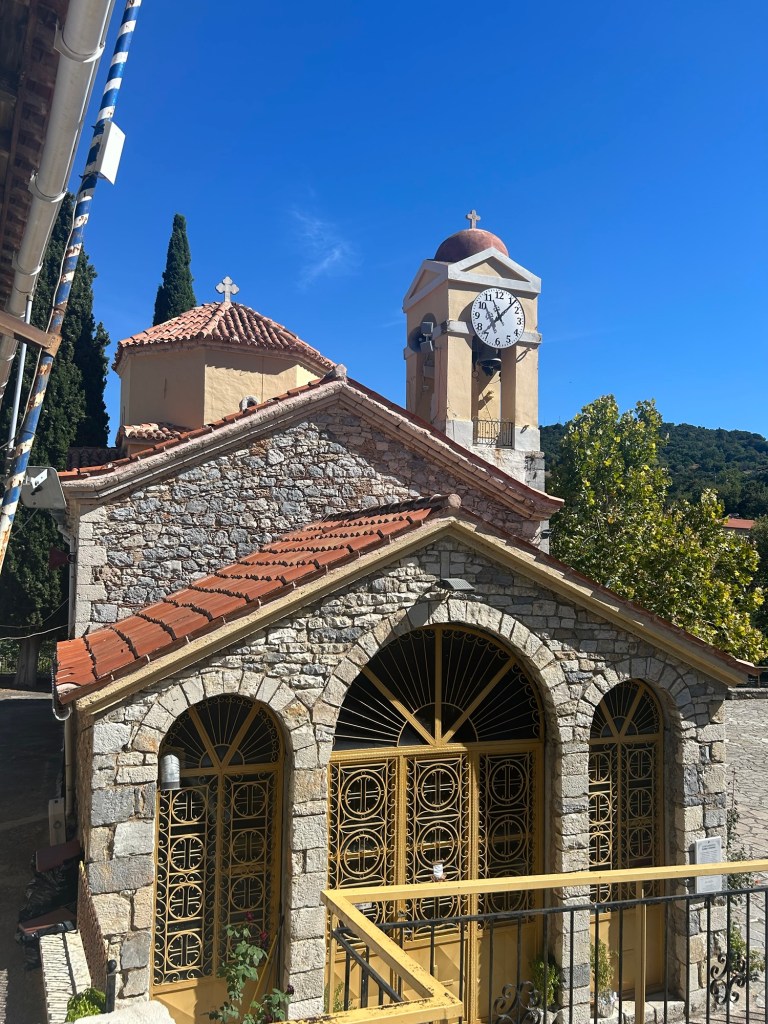
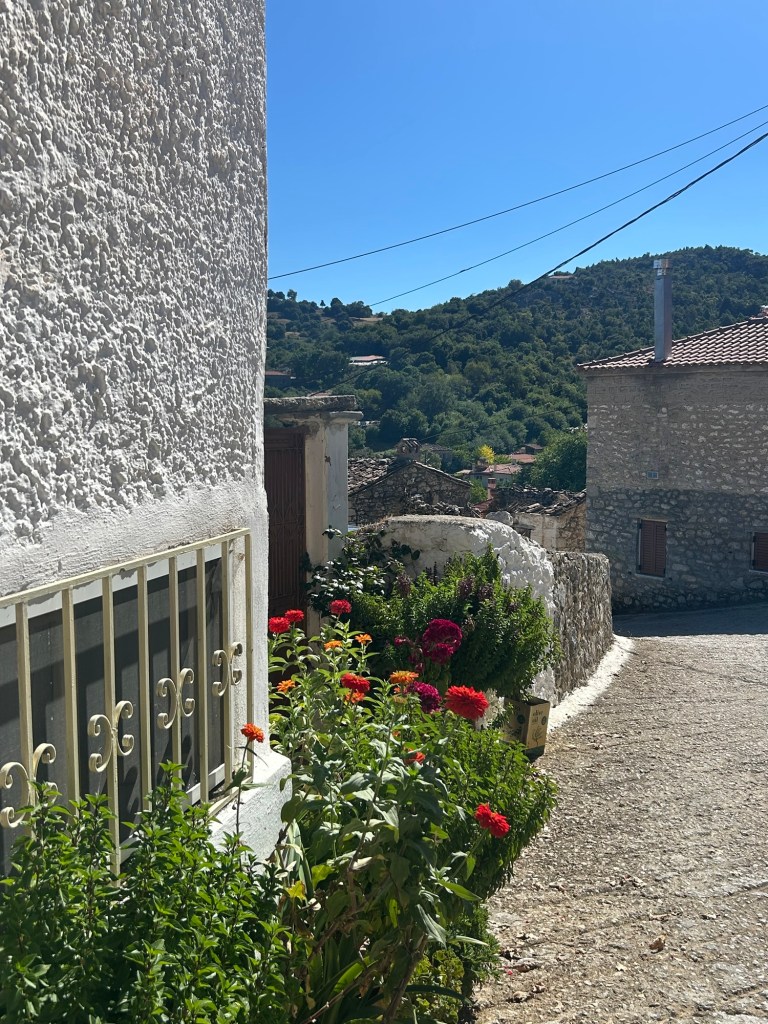
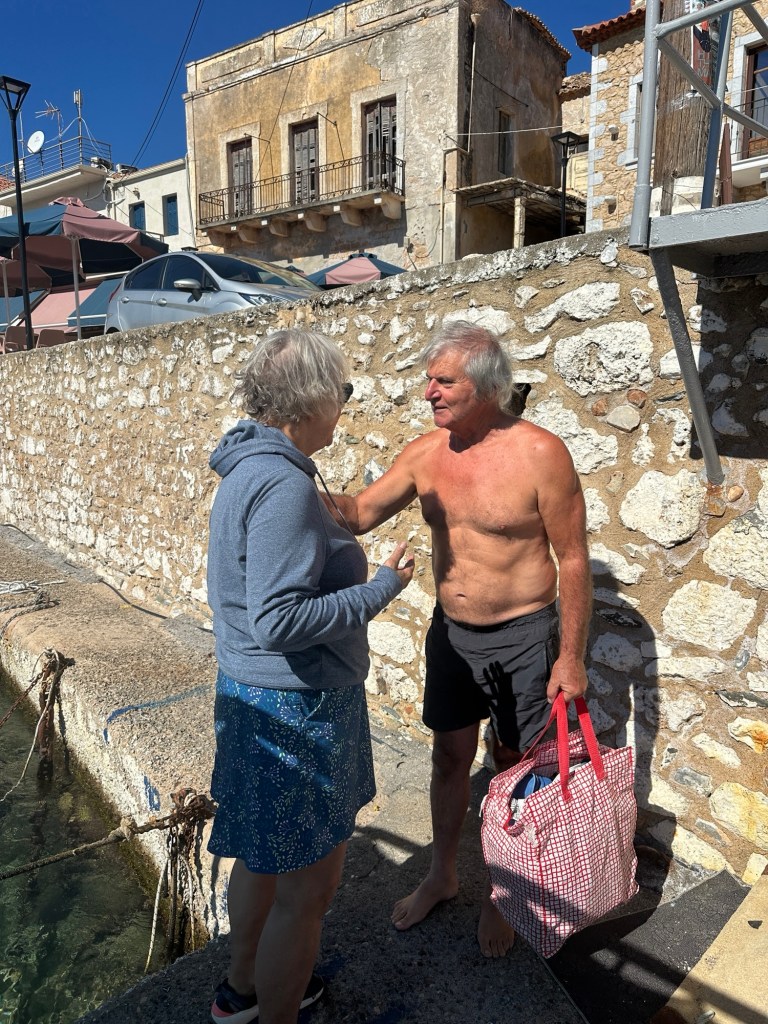
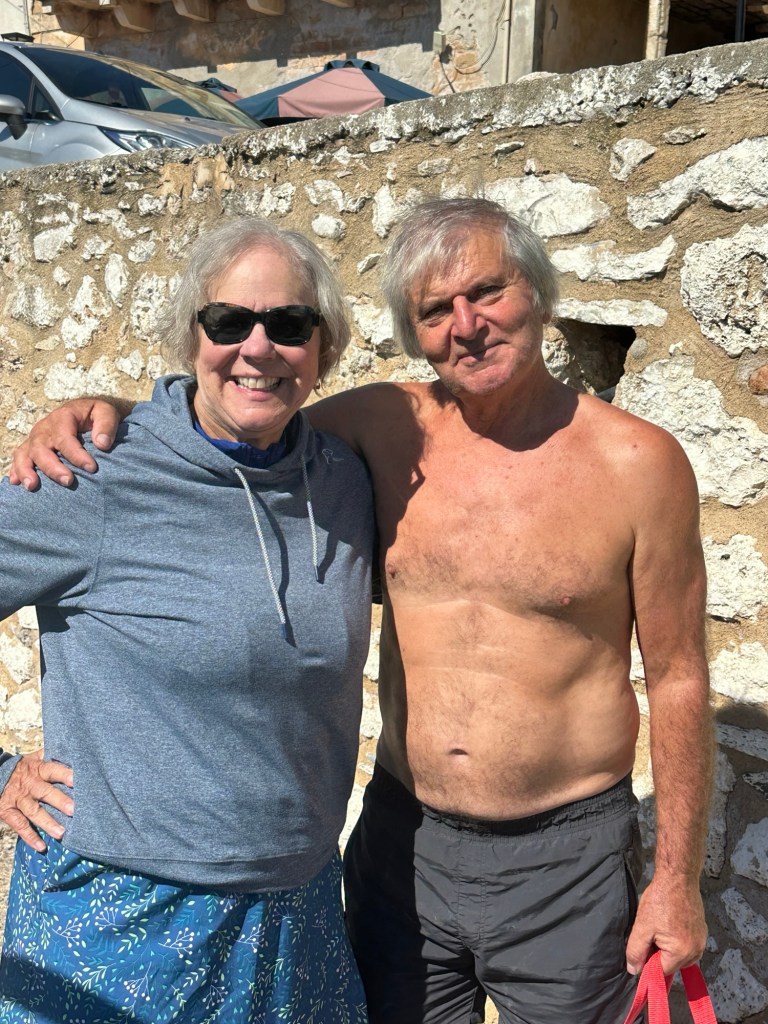
Our last full day…

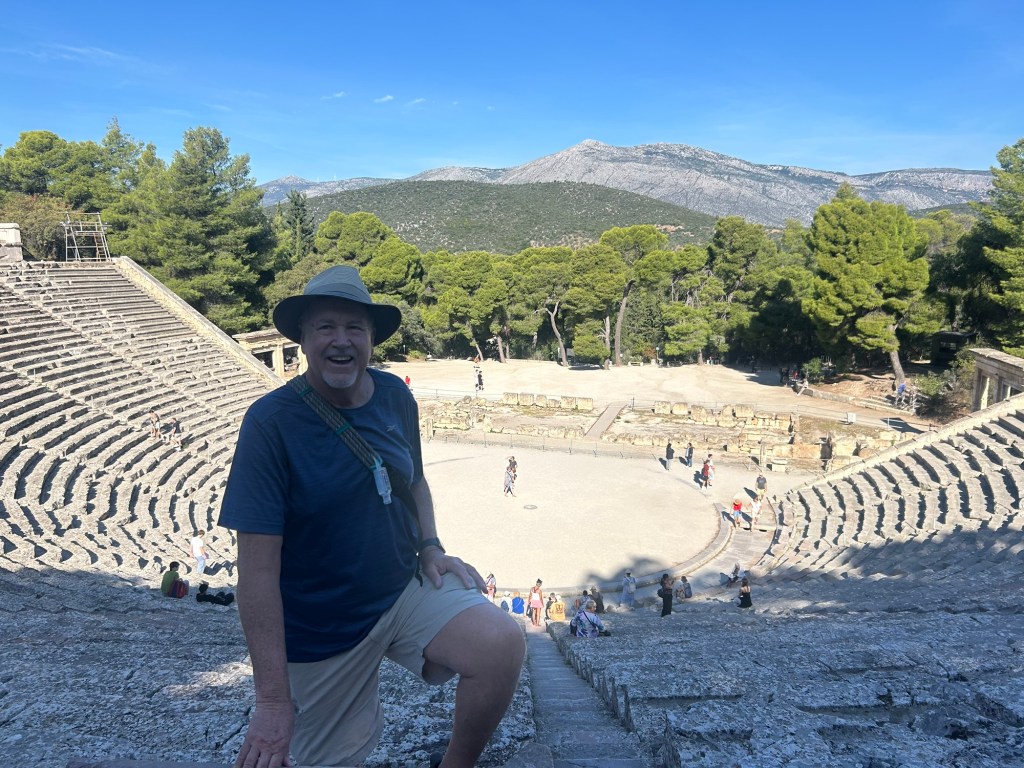
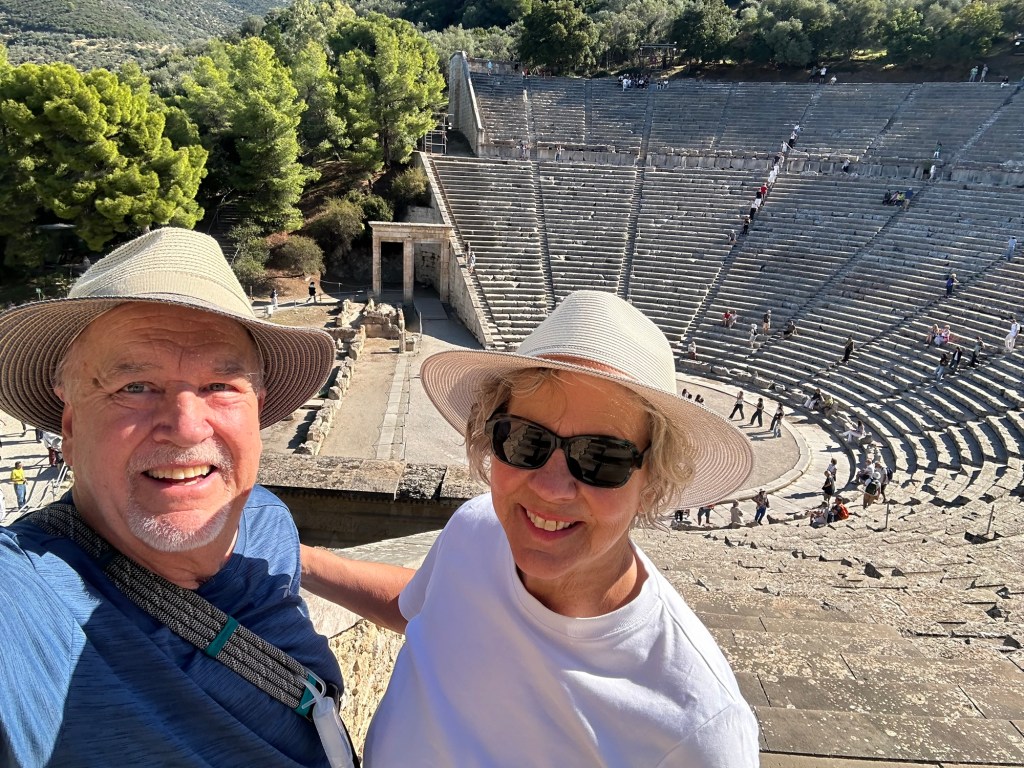
After breakfast we hopped in the car and headed for a shop call “China Town” on the outskirts of Nafplio. We purchased two sets of masks and snorkels before heading to the Epidaurus Theater. It was incredible. Dating back to 4th century BC, it is part of the sanctuary dedicated to the god of medicine, Asceplius.
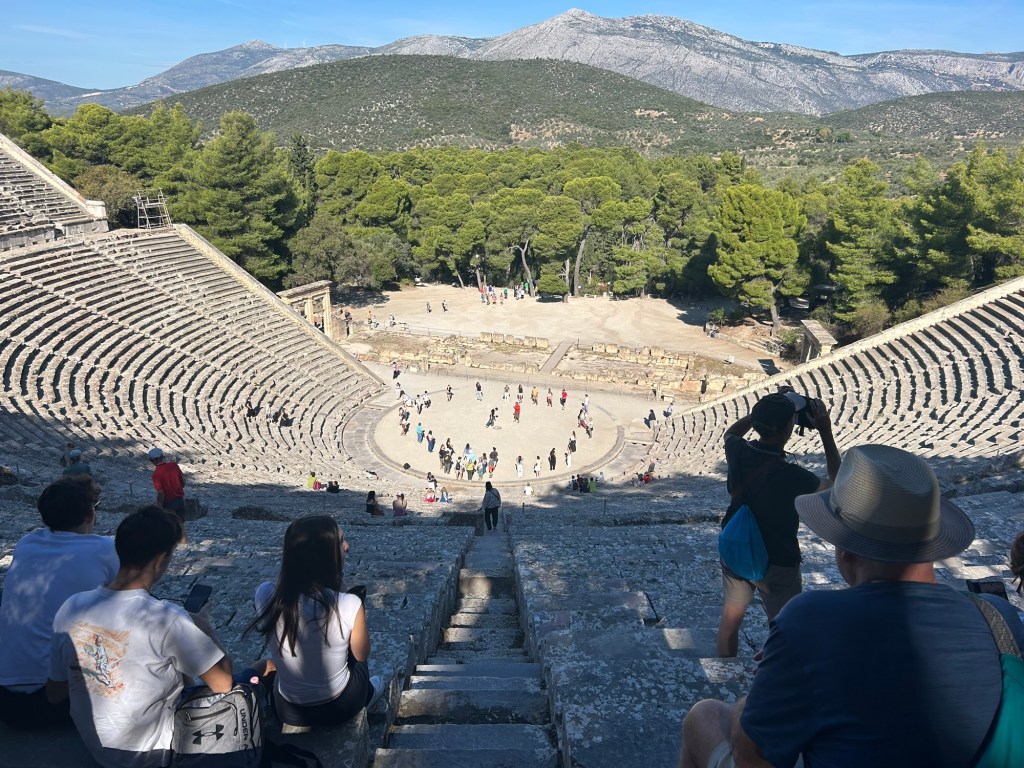
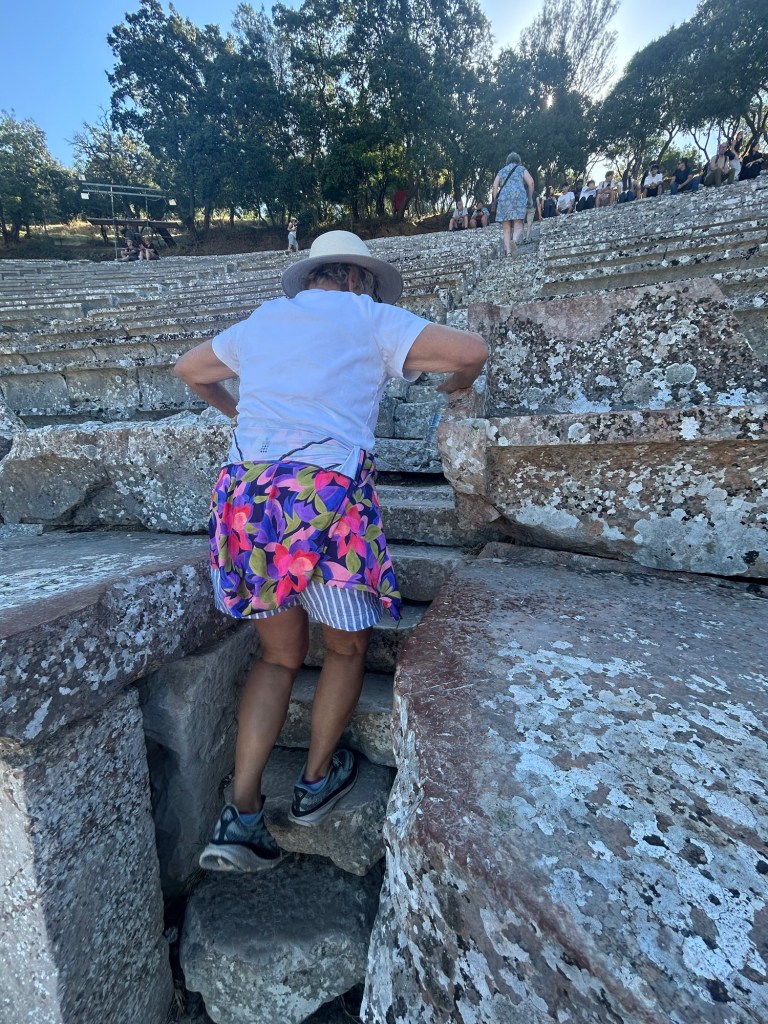
It is known for its incredible acoustics. When we were at the top of the amphitheater a guide at the base tore a piece of paper. We heard it!
Lots of climbing for Team Tortoise!

But the view and the experience of being within the ancient structure was worth the effort.

There was a small museum filled with artifacts.
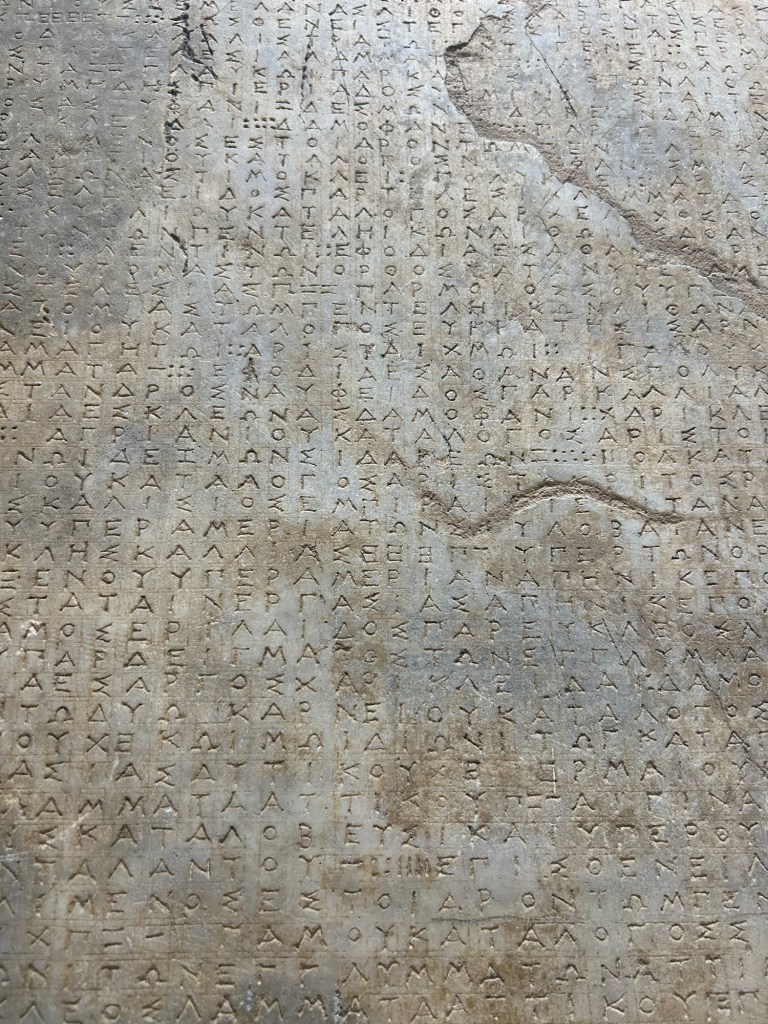
An ancient tablet which lays out the accounting of expenses to build the amphitheater!
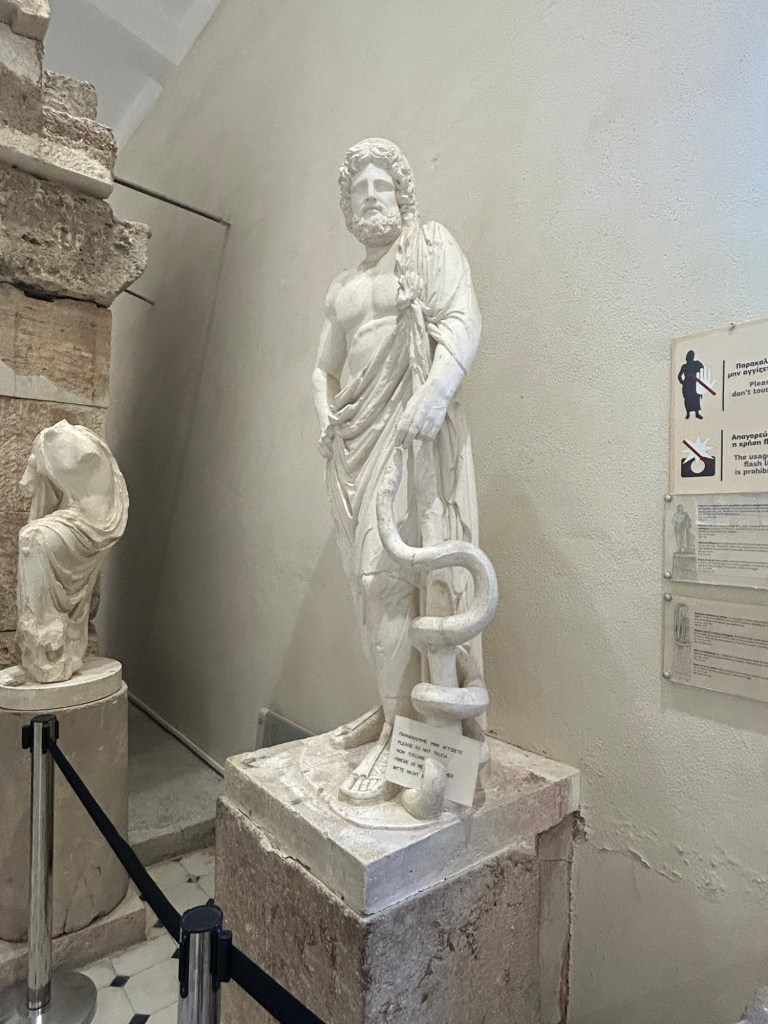
A reproduction of a statue of Aseplius. Note the serpent coiled around staff. This is inspiration for the modern symbol of medicine.
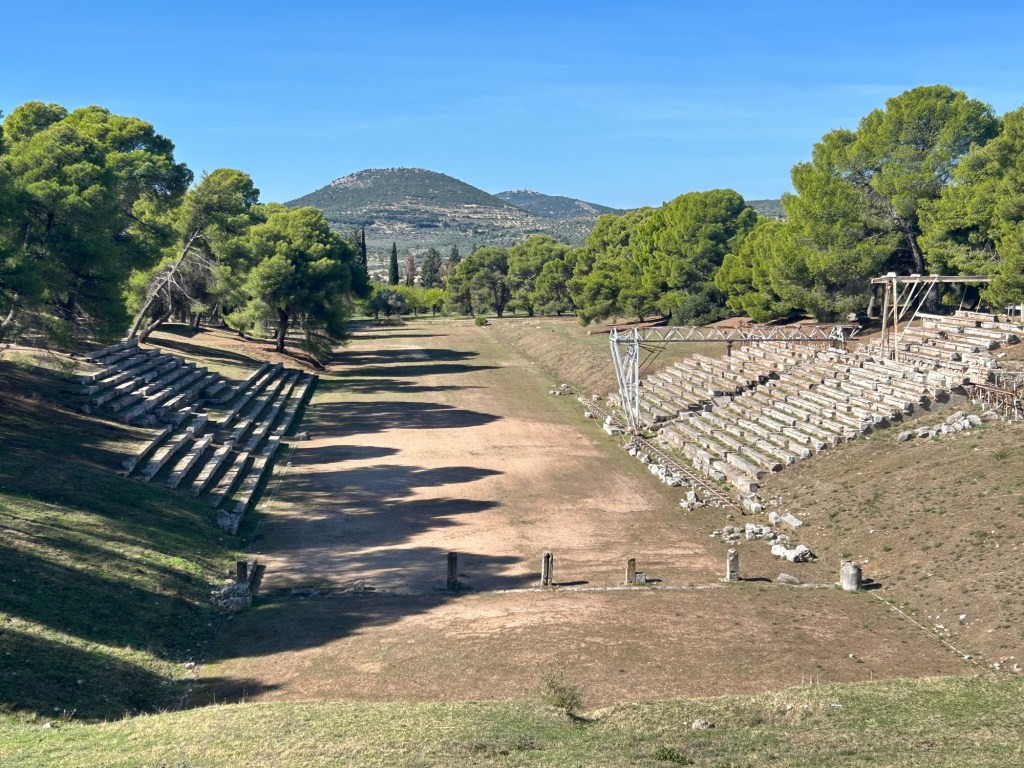
The Stadium built for athletic competition and ceremonies dating back to the 5th century BC!

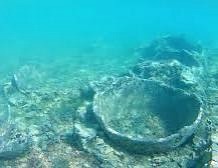
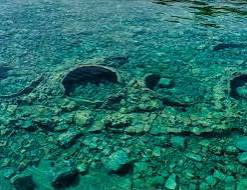
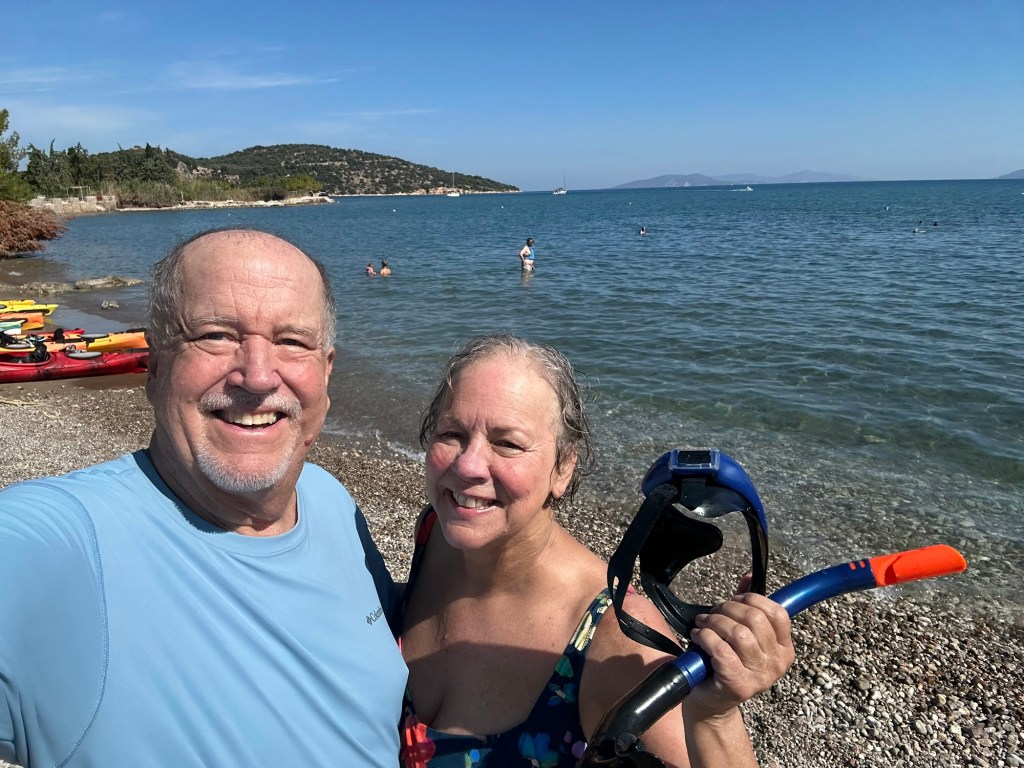
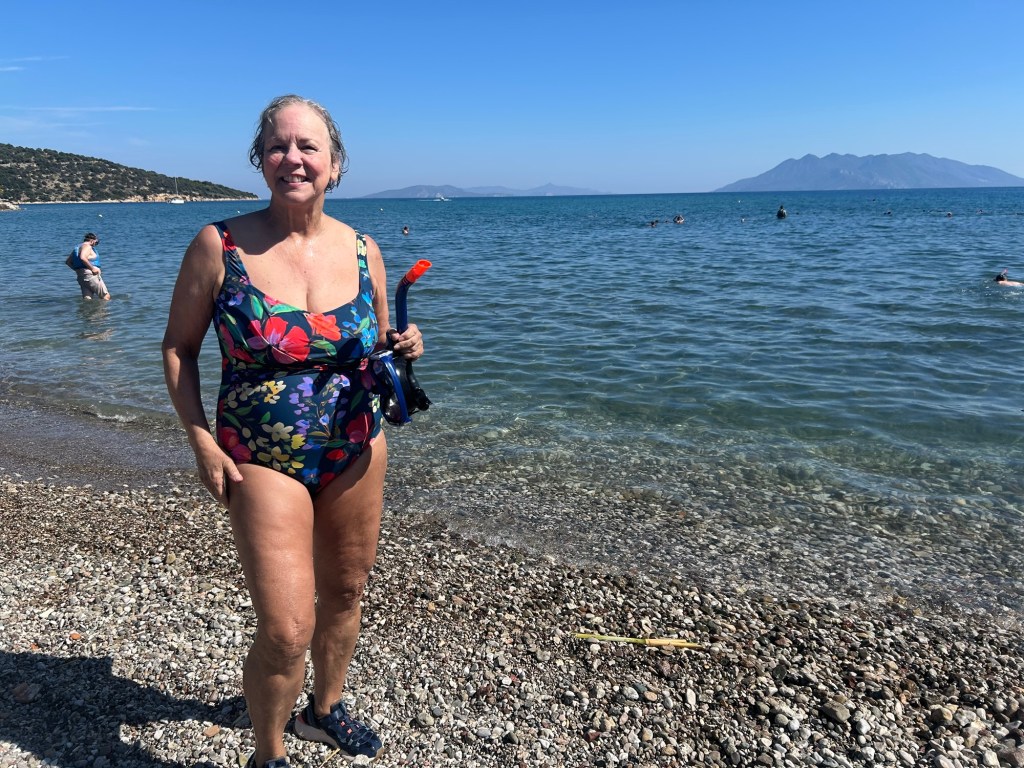
Then it was off to Kalymnios Beach to snorkel over the Sunken Roman Villa of Epidaurus.
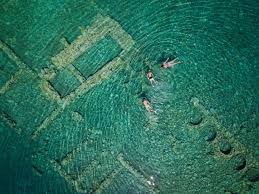
These pictures are all courtesy of a Google search. My phone had already died due to water damage earlier in the week so we decided to just put the experience in our memory banks rather than risk Ed’s phone. It is not a large site but it was very cool to be able to just walk into the water and take in these ancient ruins.
Enjoying the moment😍
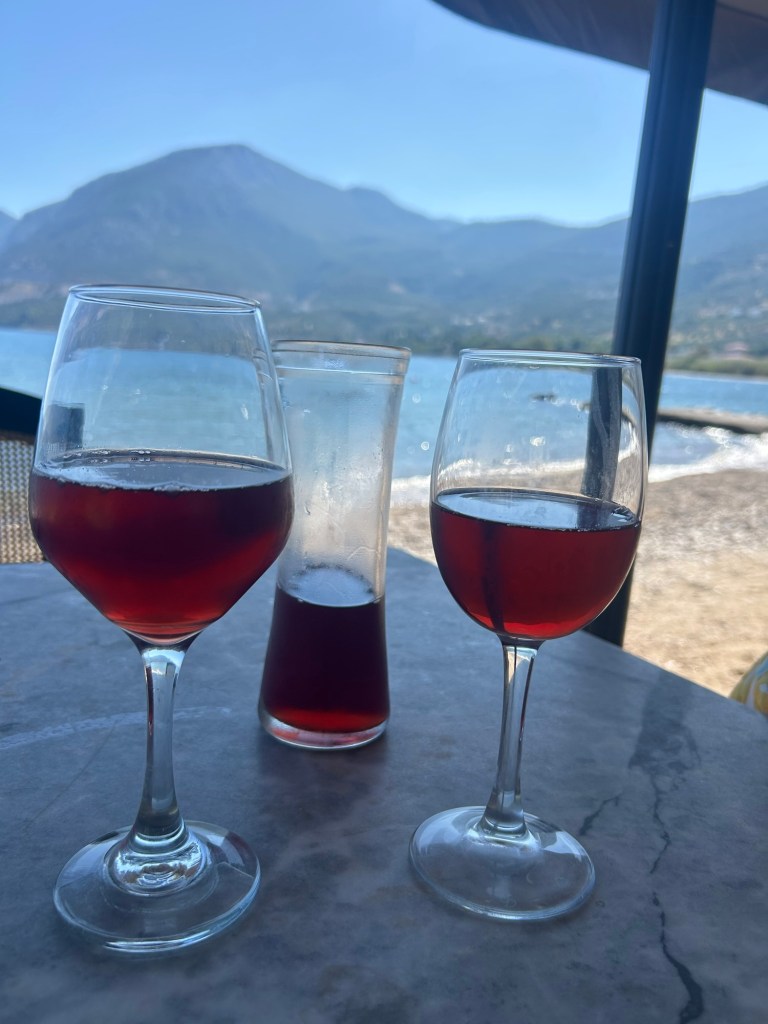
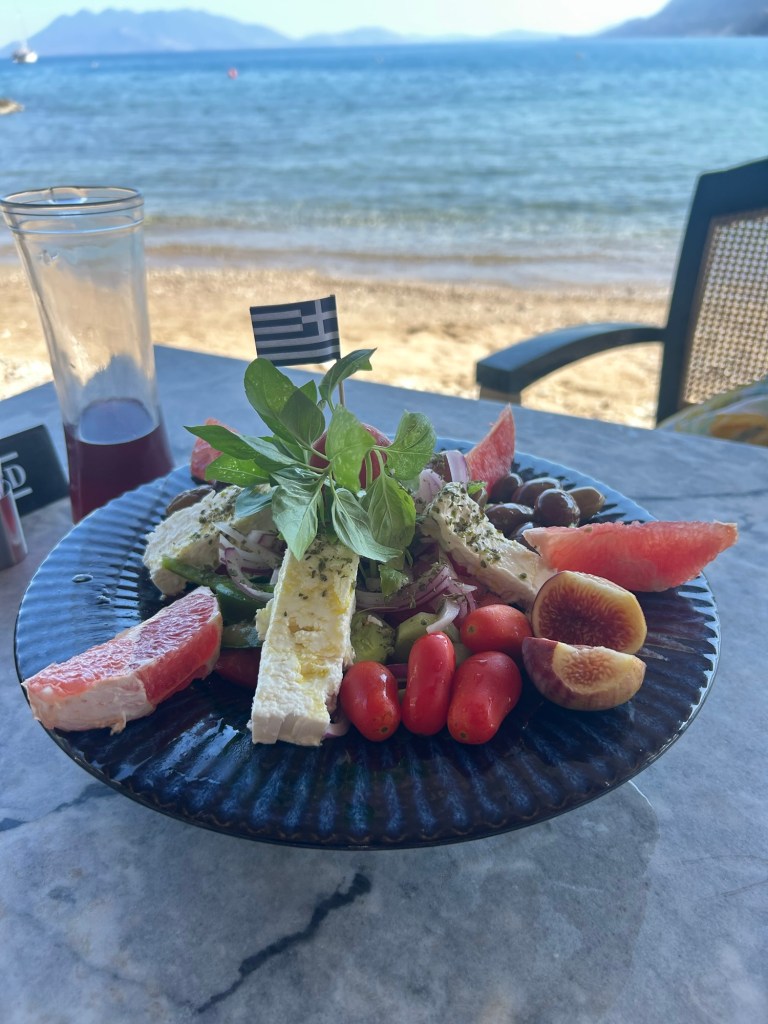
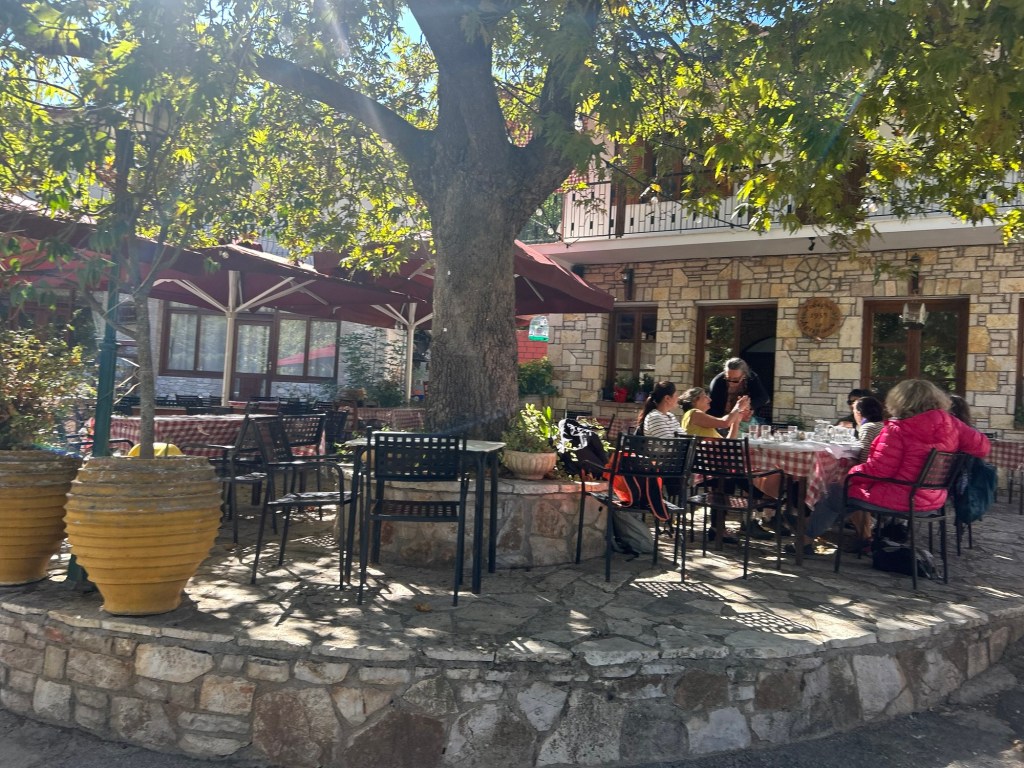
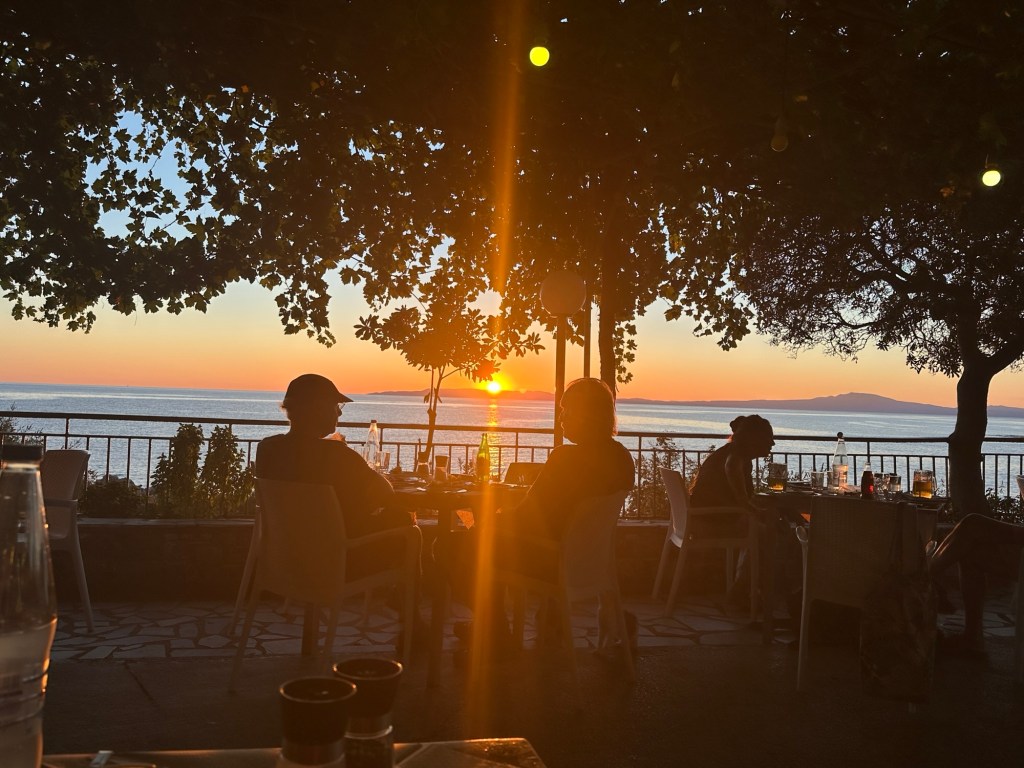
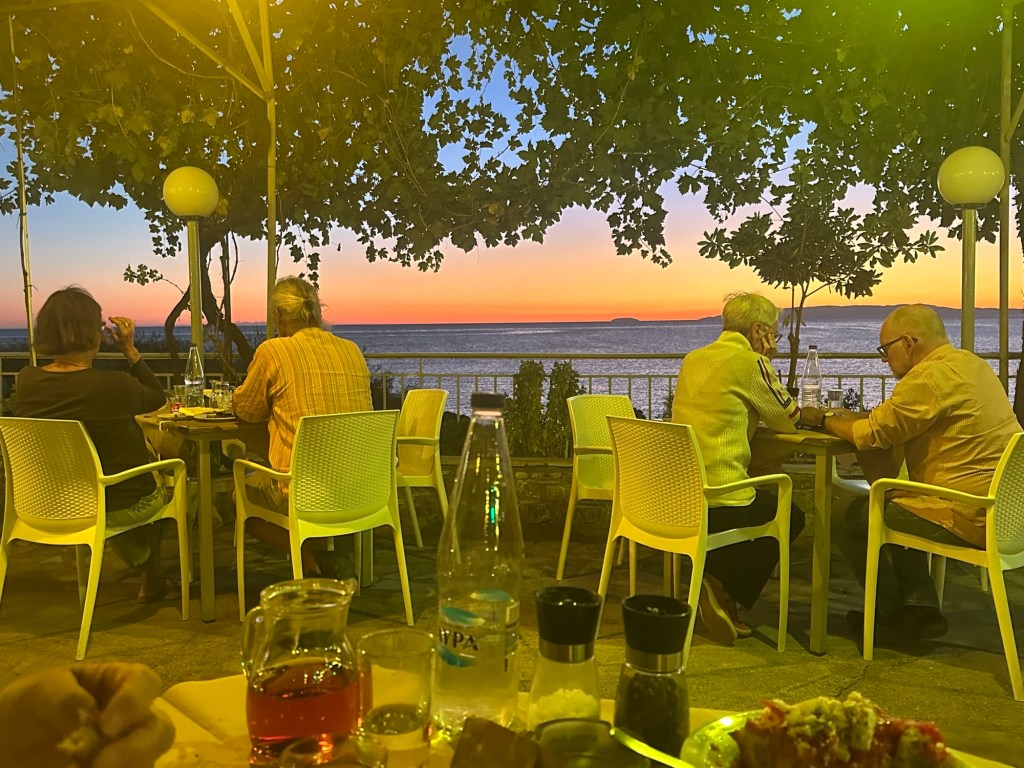
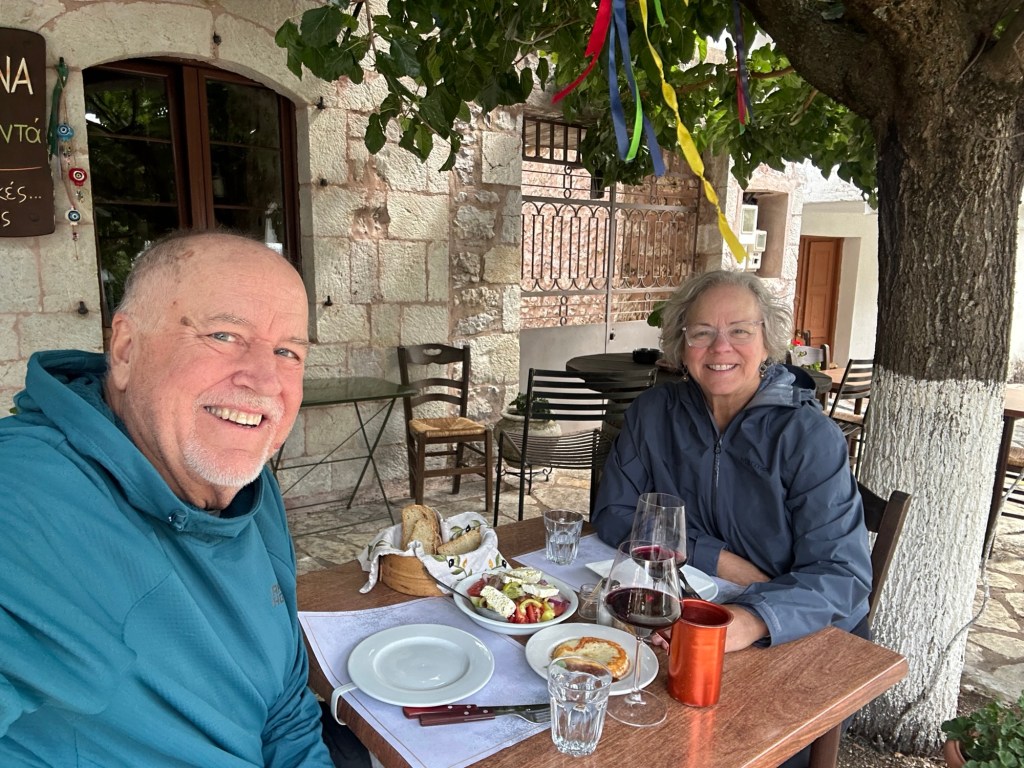
And one last seaside Taverna.
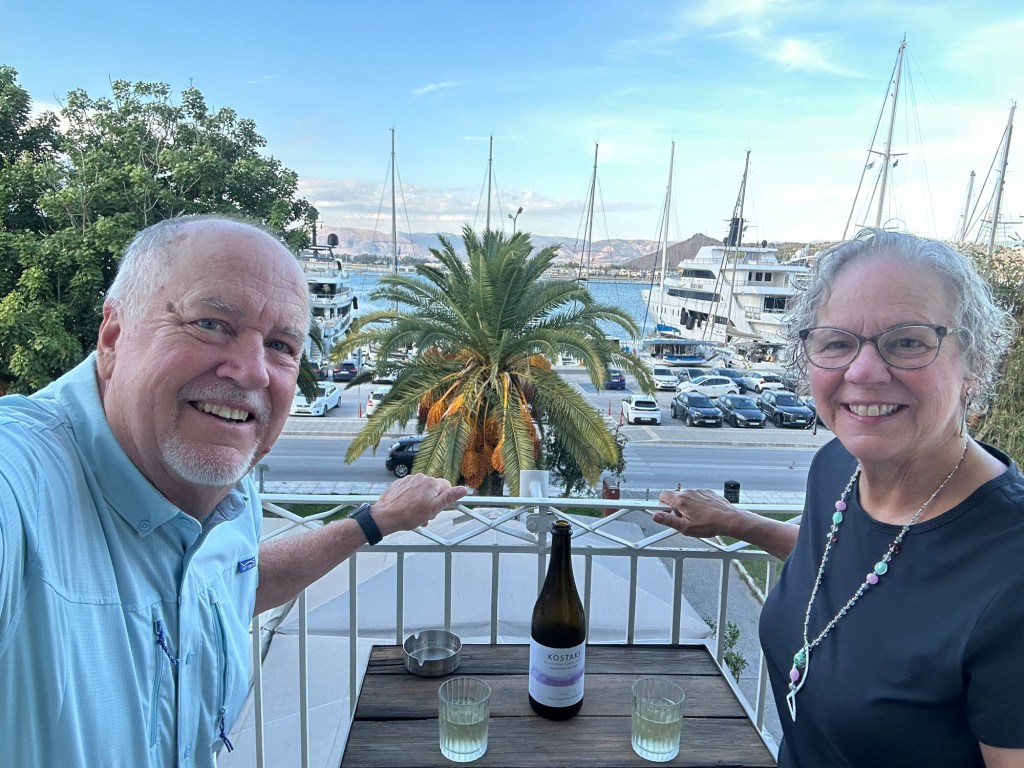
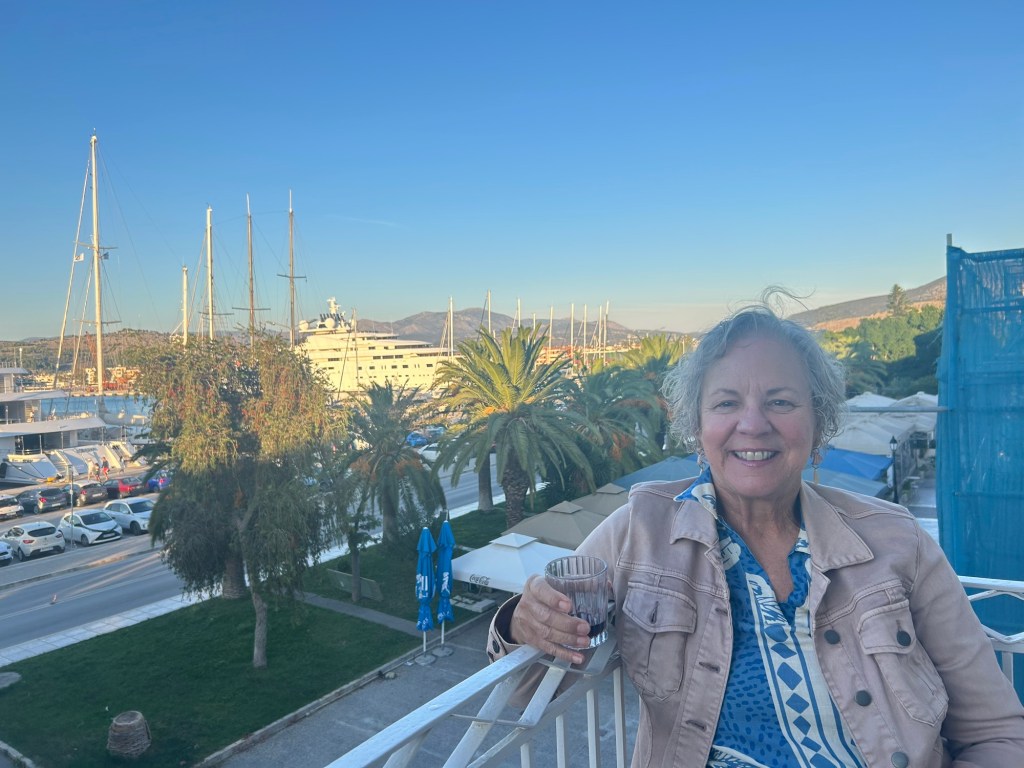
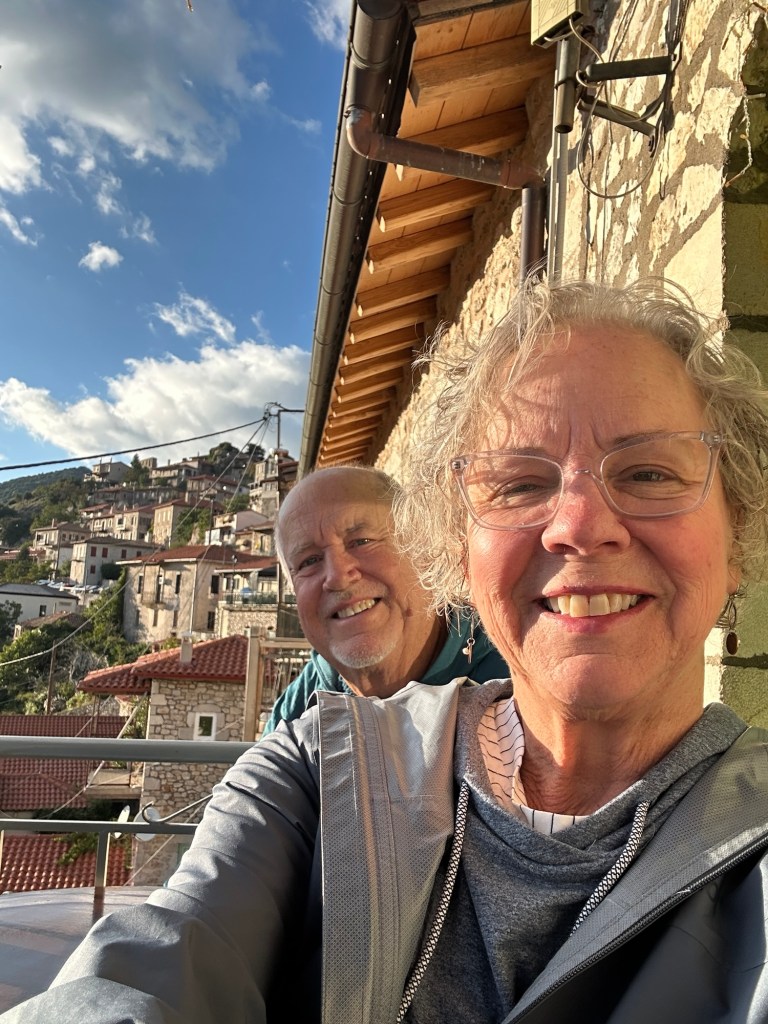
A last glass of wine on the balcony of our lovely room at the Amymone Suites. Yamas!
And all good things must come to an end. It took 22 hours of travel to get home but it was worth it🤗

A day of rest (kind of)

Both Ed and I woke up on Thursday feeling like we needed a low-key day. I had been pushing Ed pretty hard to do and see everything we had planned, but after a significant health crisis just a month earlier it was time to have a chill day. We decided to save Mycenae for our next visit 🤞🏼. Instead we strolled the streets of Nafplio in the morning. Unfortunately, or fortunately if you asked Ed, none of the shops opened until 11:00 and many did not open until later in the afternoon.

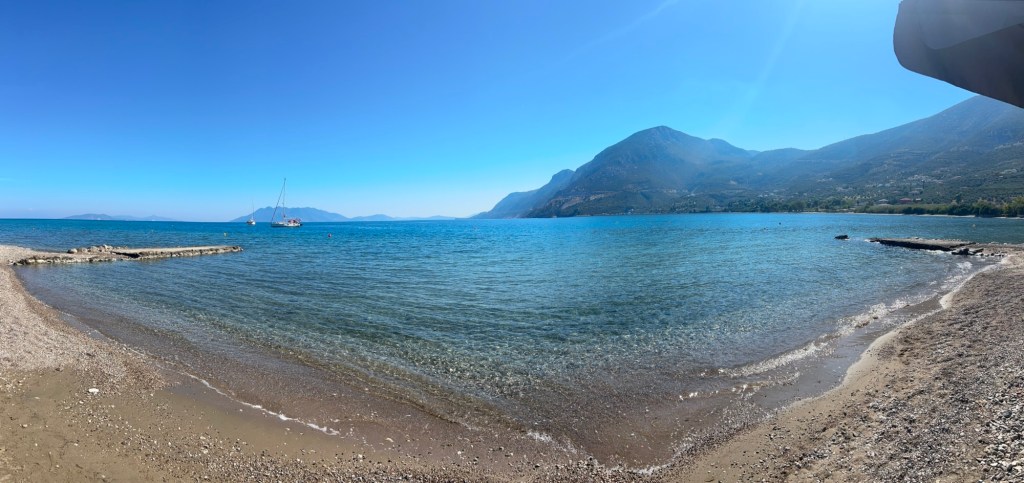
We took a quick nap and then drove to the small beach of Asinin for a late lunch and a relaxing time occupying a sun bed on the beach.
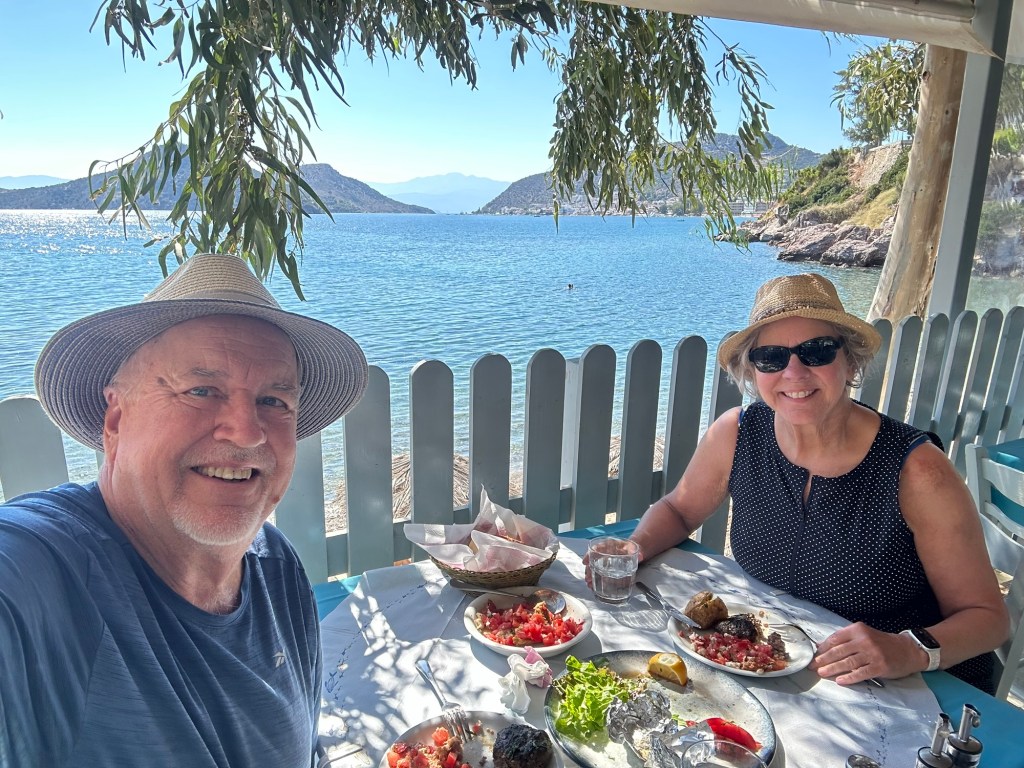
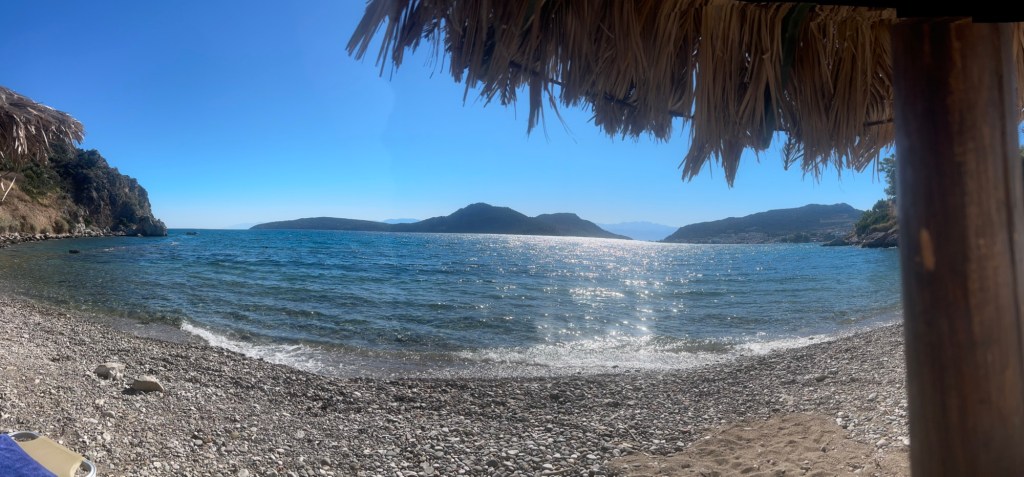
One of the things we liked best about the Peloponnese was there always seemed to be a beautiful little cove with a taverna around the next bend. It is definitely a place where you want to have a car to explore. Driving was relatively easy with good roads and decent signage.
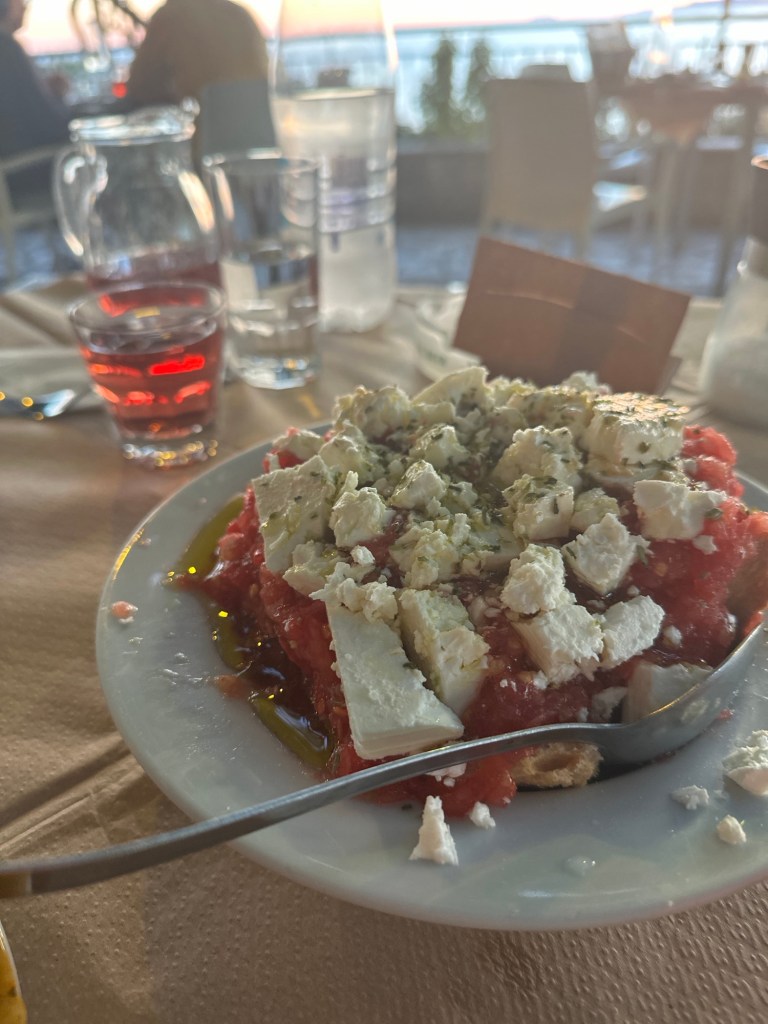
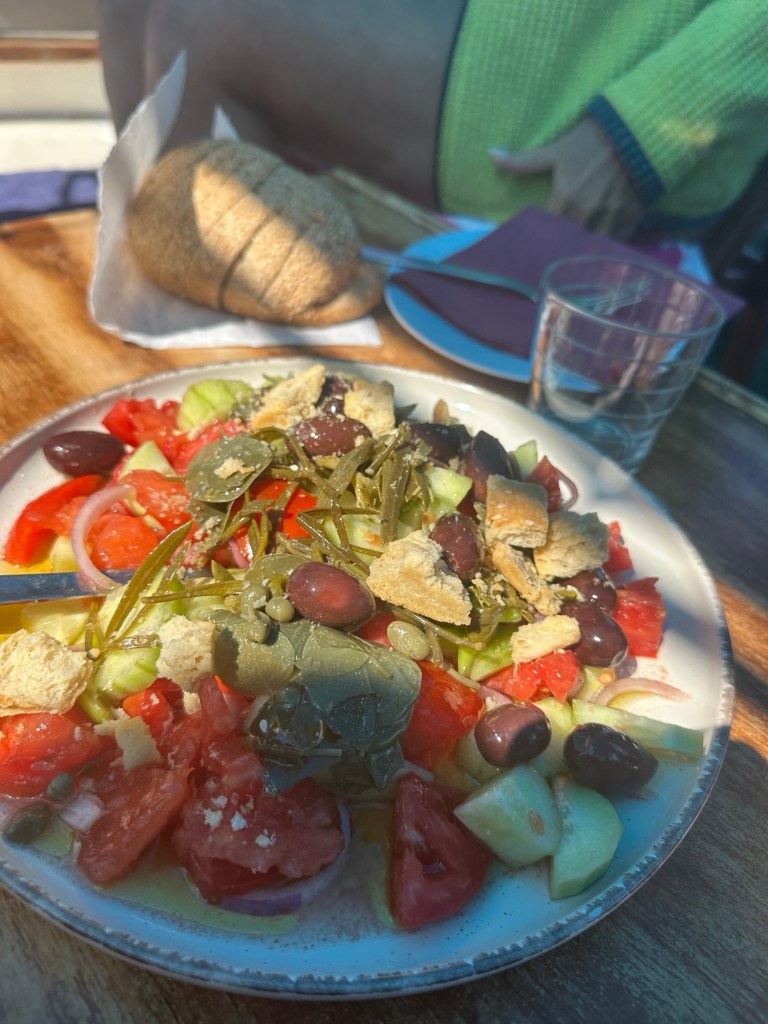
Have I mentioned “Dakos” ? It was our dish of the week. We ordered it numerous times. It is a simple dish consisting of a layer of piece of rusk (a crispy, twice baked hearty bread) , topped with olive oil and finely chopped fresh tomatoes, and then topped with their delicious feta cheese (the national addiction). It is often enhanced with capers or olives. I am going to try to recreate it at home. It was such a simple, hearty starter.

While we enjoyed the Greek food it tends to be very traditional. The menu from taverna to taverna is relatively the same. There was always a lot of shellfish and mollusks, lamb, beef, pork and usually one fresh fish on the menu. It was all delicious but by the end of our 9 days we were ready for a little variety.

Cooking class in the mountain village of Karia.

On Wednesday we traveled about 40 minutes to Karya. It is a remote village near Mount Ziria. The class was arranged through Greco Paths. We always try to cook with locals when we are visiting a region. We find it is the best way to briefly immerse ourselves in their culture.
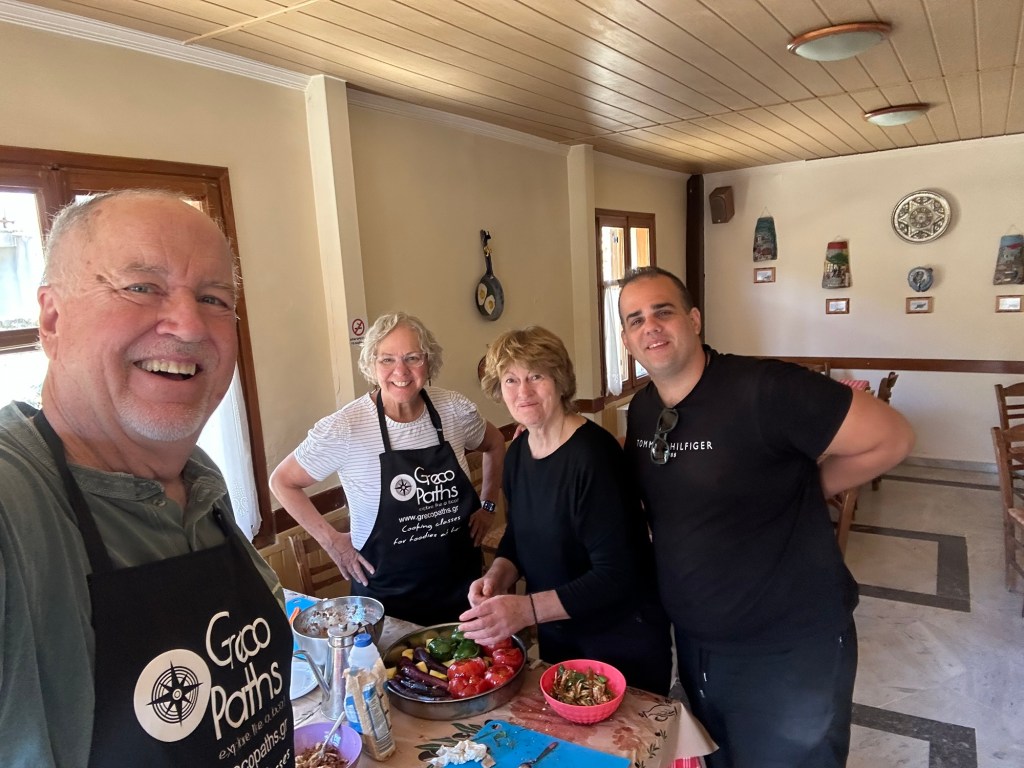
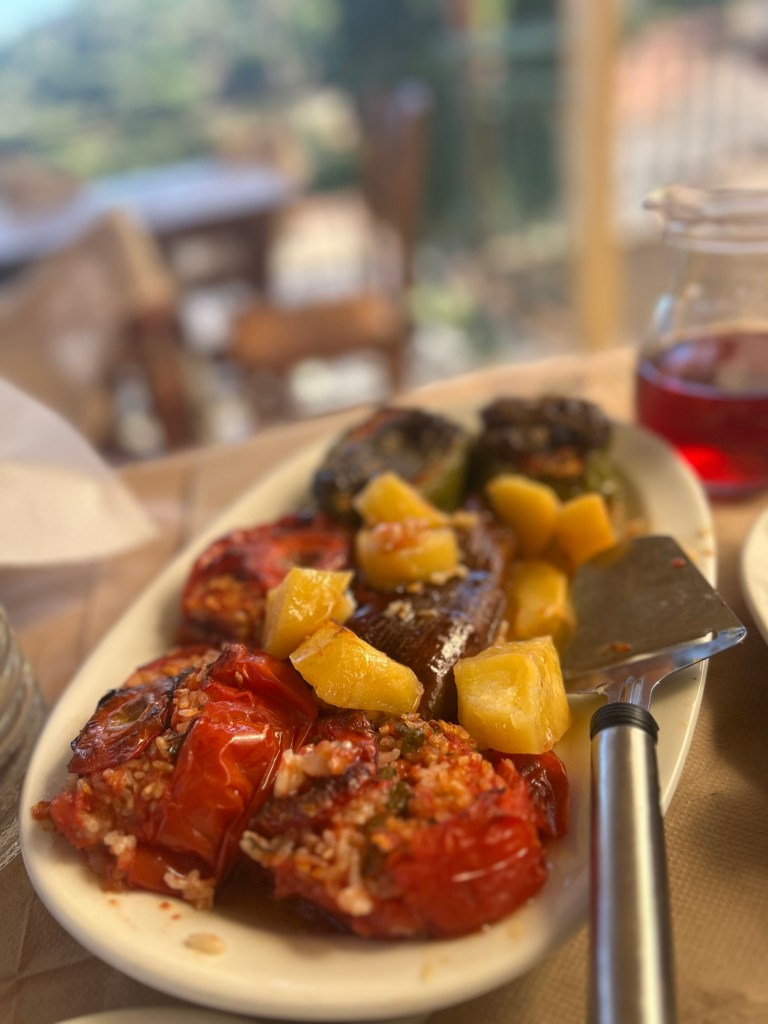
We met Vasileios who was our English speaking guide for the day. He introduced us to Irenea. It was in her taverna that we learned to make Gemista, Greek stuffed vegetables. Irenea reminded both Ed and I of my mother as she instructed us with her many hand gestures.
The finished product😋

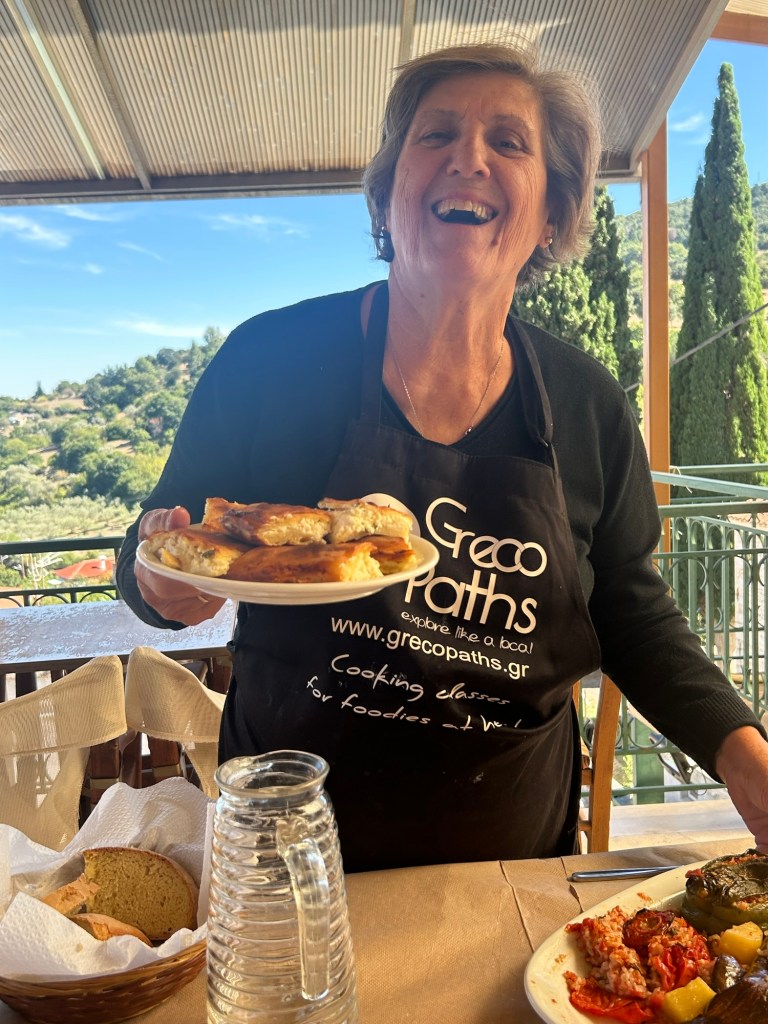
We then strolled up to a higher point on the village to the backyard kitchen of Christina. Here we learned to make cheese pie starting with the homemade phyllo.
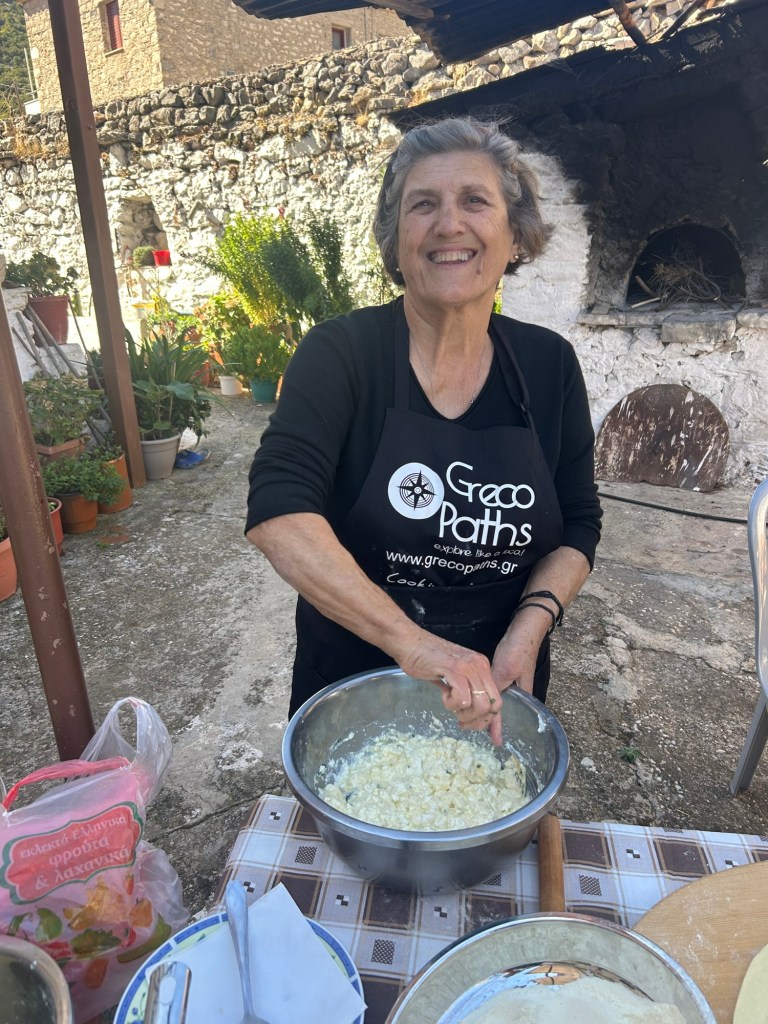
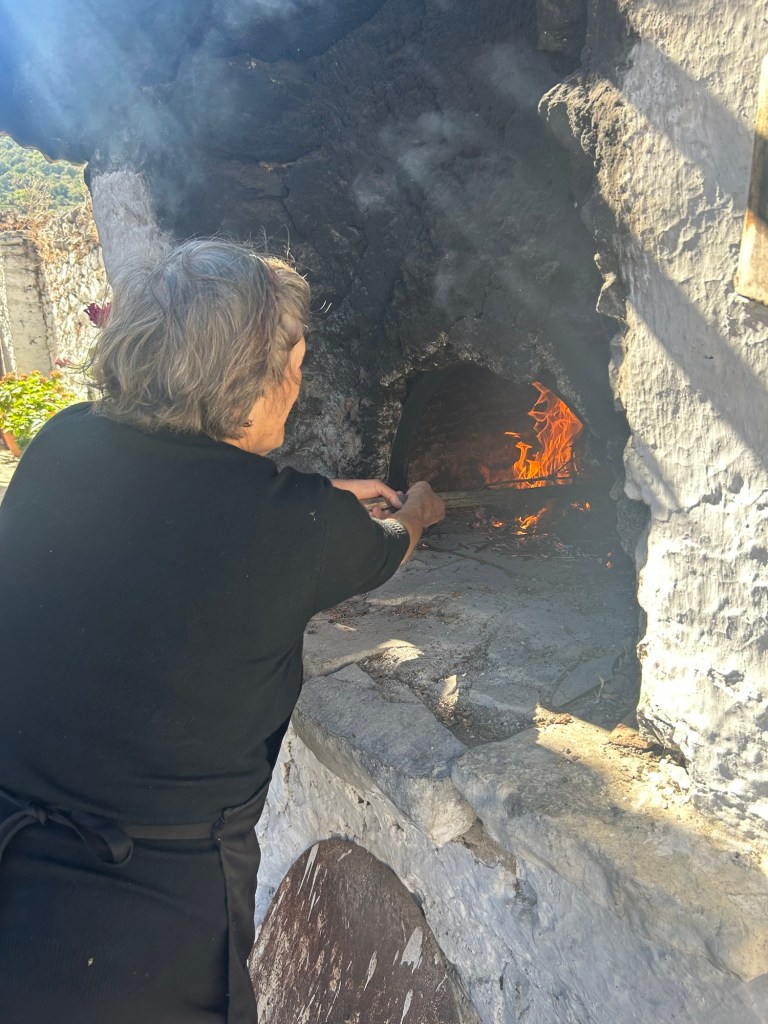
Christina, what a radiant smile! She was quite impressed with Ed’s ability to roll out the phyllo (I’m assuming the Greek men do not spend a lot of time in the kitchen)
Pastry chef extraordinaire !
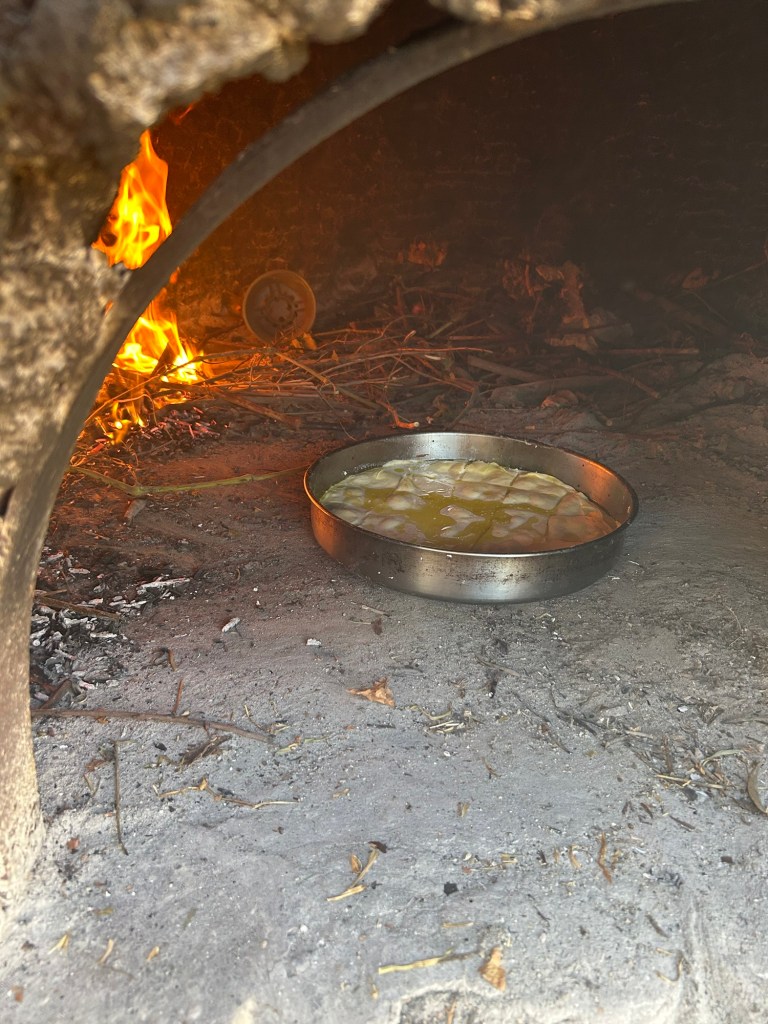
The pie wa baked in her wood burning oven.
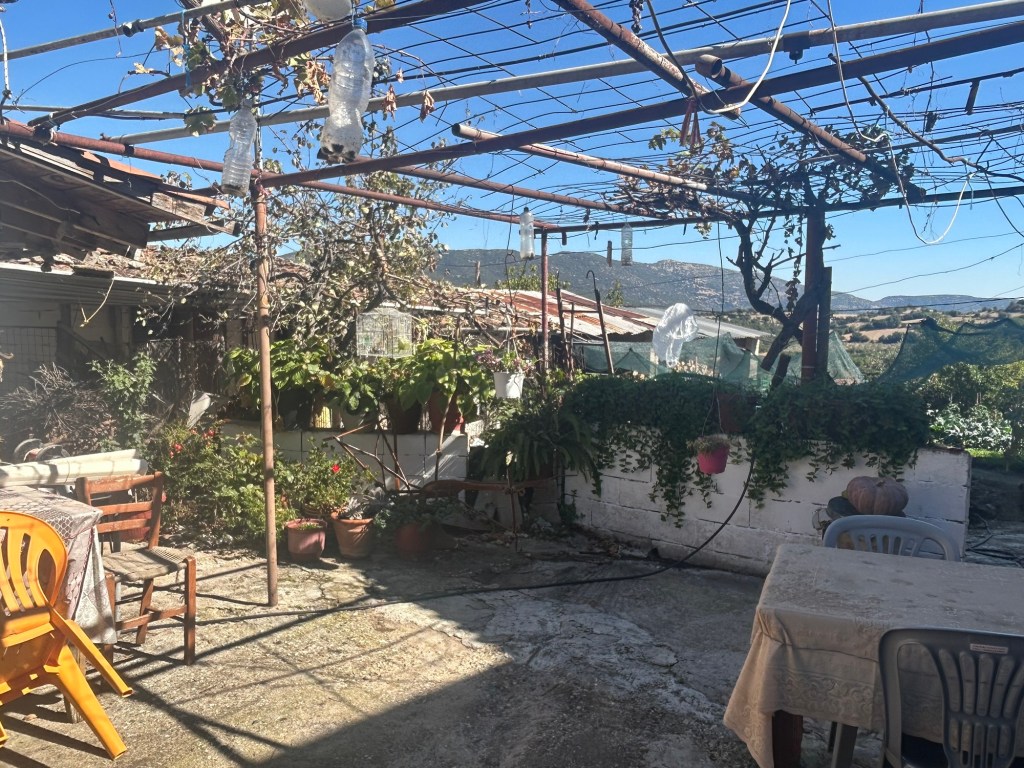
Her backyard was small but set up to provide for her needs.
The finished product😋

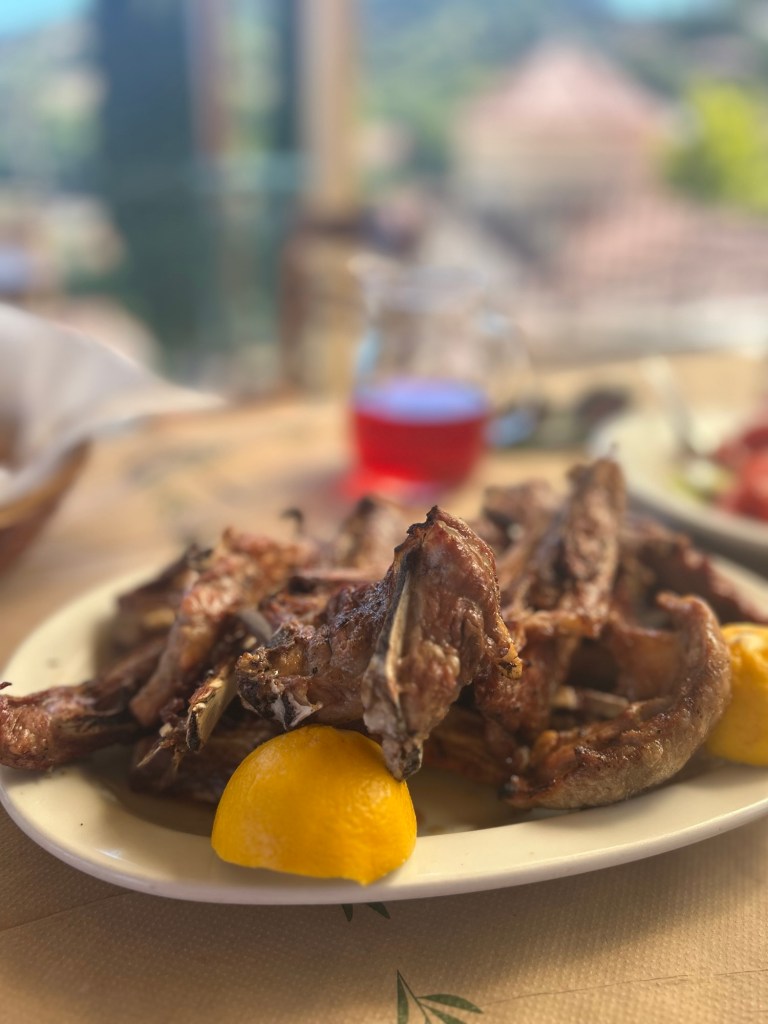
Lunch included lamb roasted over the charcoal grill.
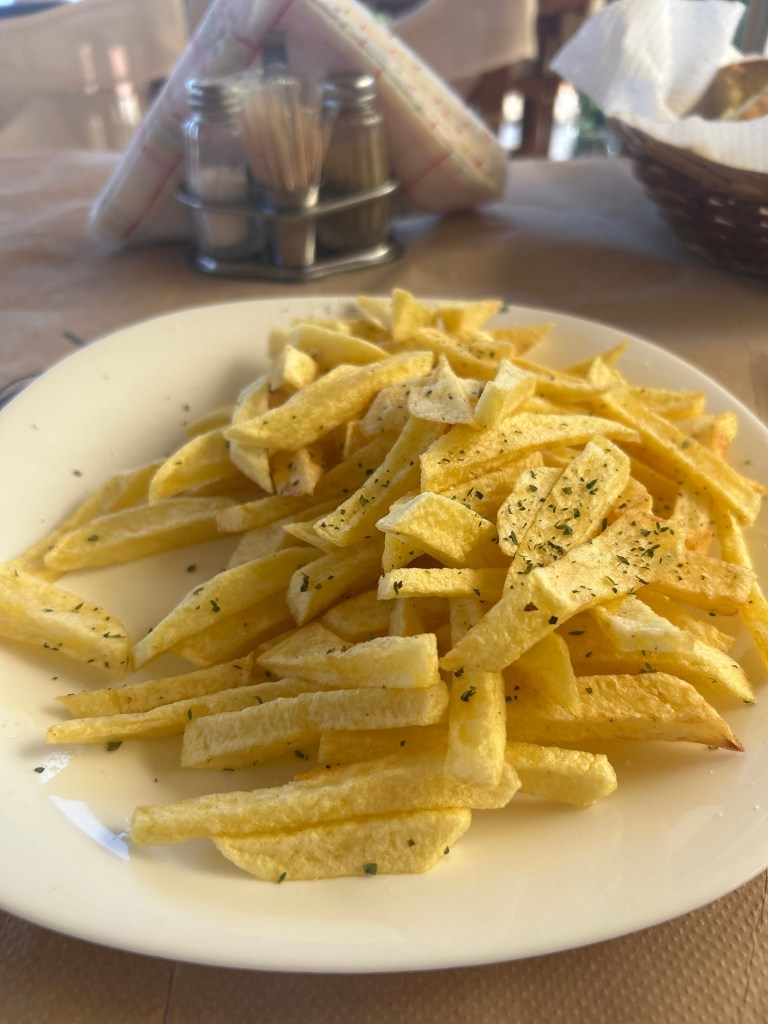
And delicious fried potatoes. I don’t know what it is about Greek potatoes but they are the best we’ve ever eaten!
The village is lovely but sadly, the young people have moved away in search of employment and action. It is only the grandparents left to keep the village running. Karya tends to be a day trip out of Nafplio for those seeking the beautiful scenery and fresh air.

We traveled back to Nafplio with full tummies and new Greek friends 😍.

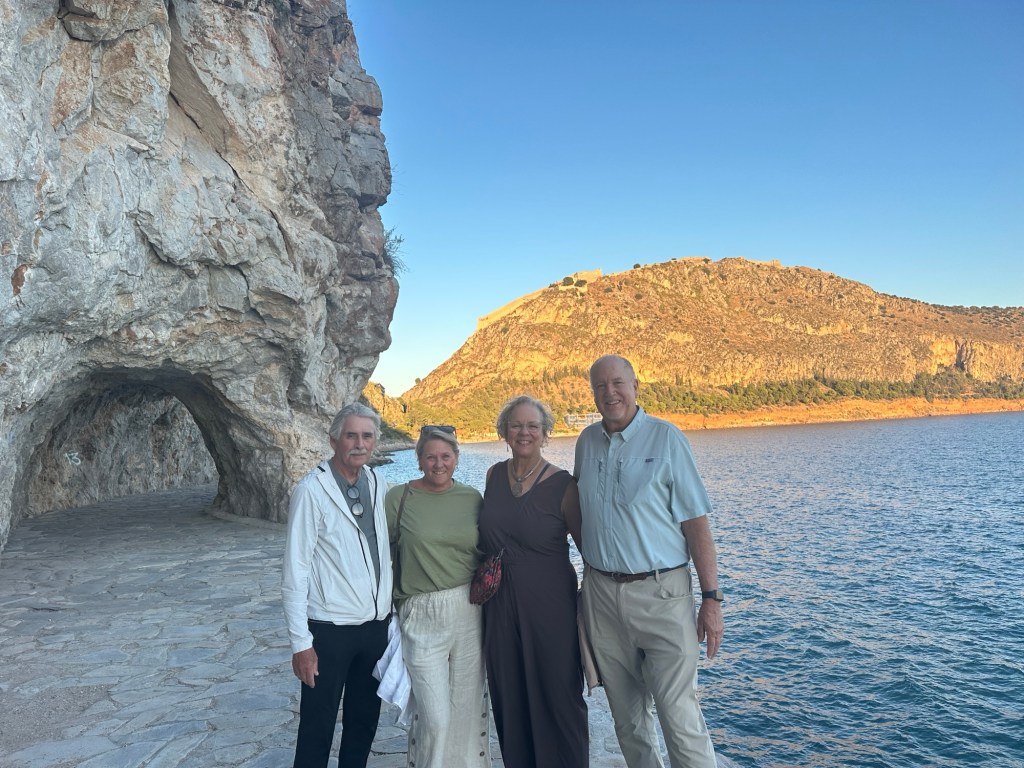
Nafplio, the first capital of Greece, and a charming city by the sea.

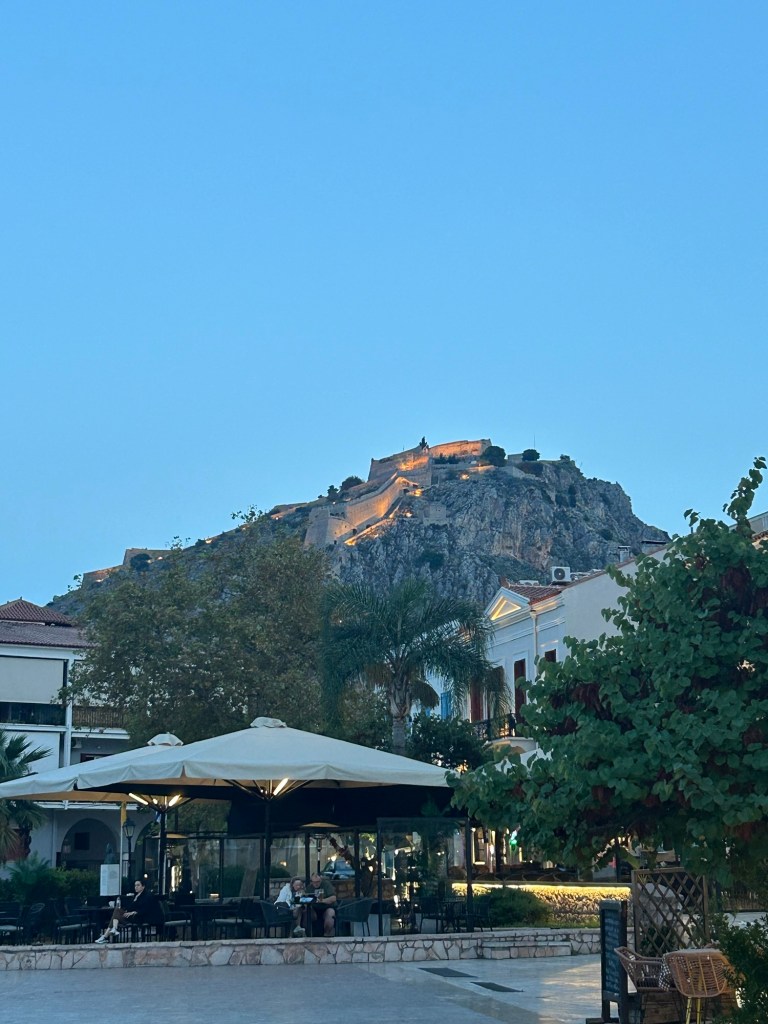
The city consists of an old town and a new town. The old town consists of a grid of limestone paved streets, polished by age. It is a pleasure to stroll the streets lined with street side tavernas and many interesting shops. The old fort sits above. Being early October, it did not feel overwhelmed with tourists. Delightful!
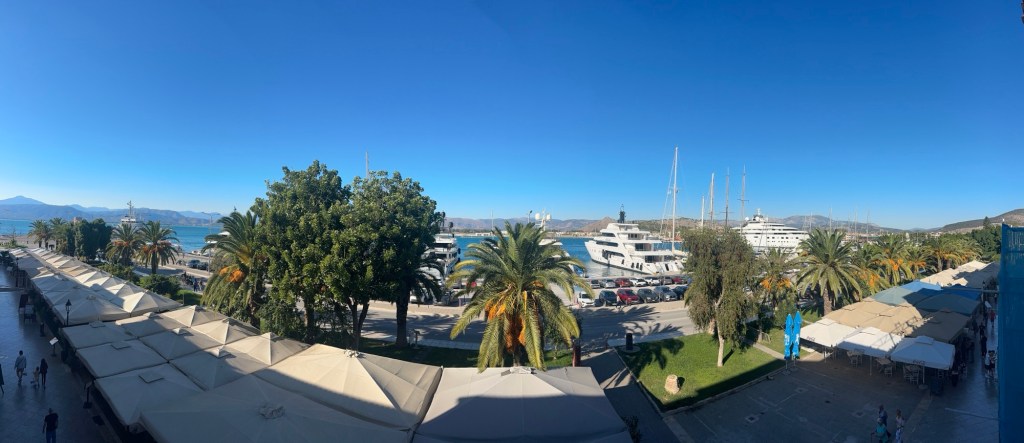
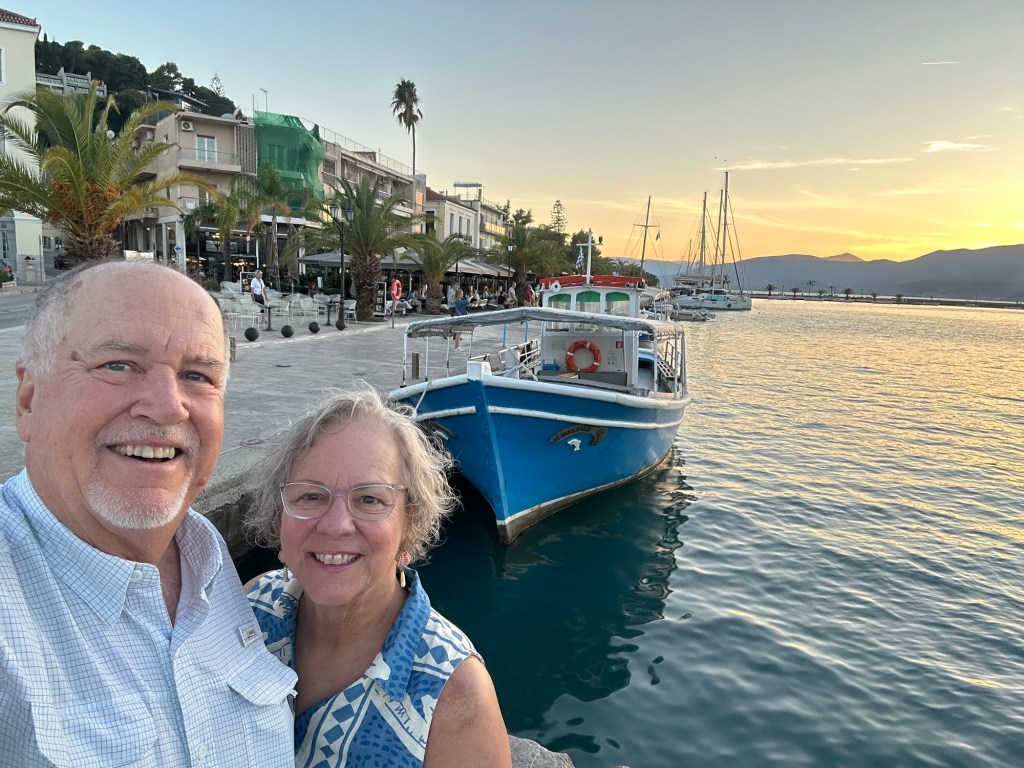
A beautiful city. That is a private yacht in the background!
We had dinner with friends from the Crystal Coast who happened to be in the area at the same time.
The fort guards the city.

A fishing adventure on the Mediterranean with Captain Antonio. Amaze, Amaze, Amaze!!
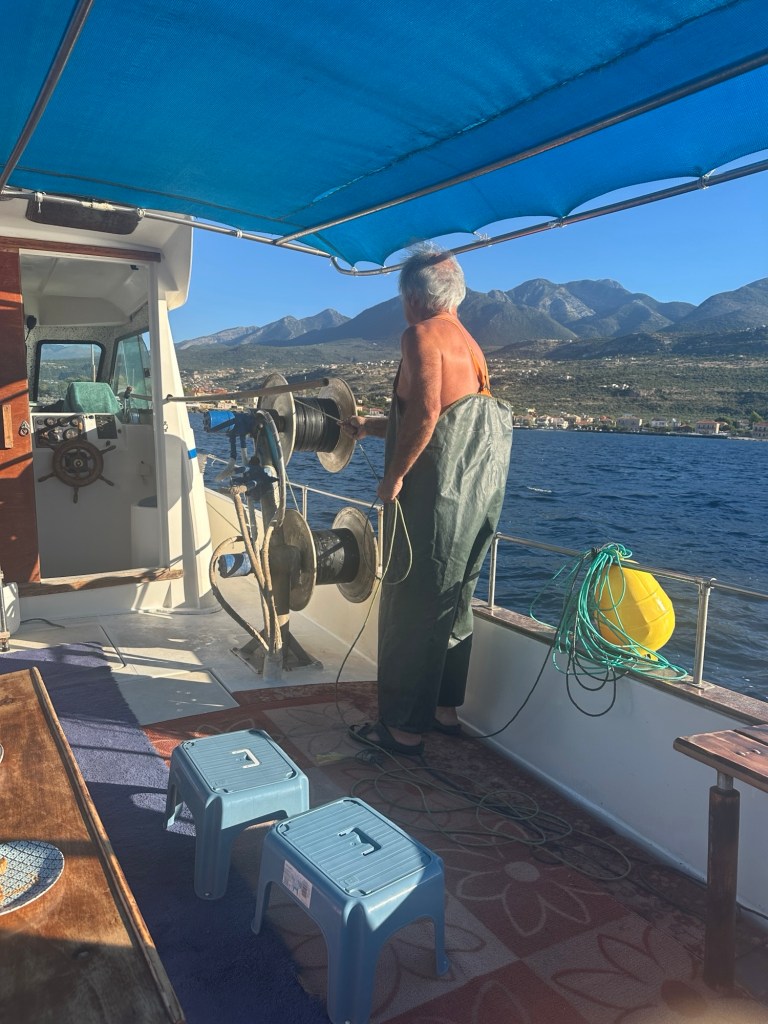
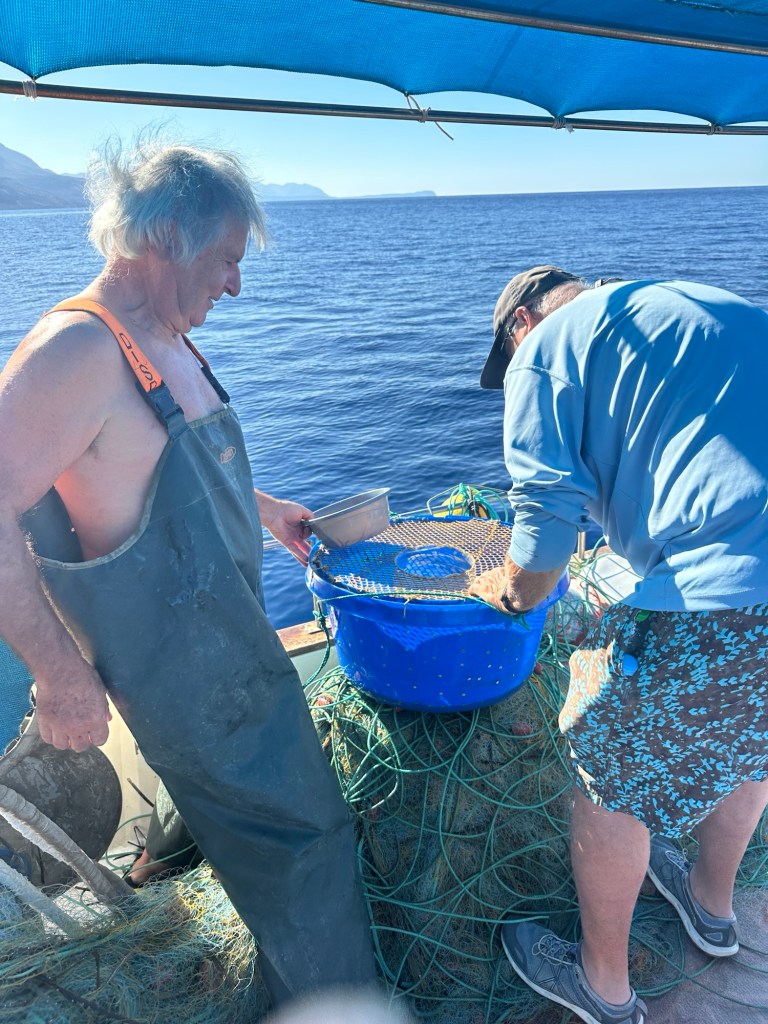
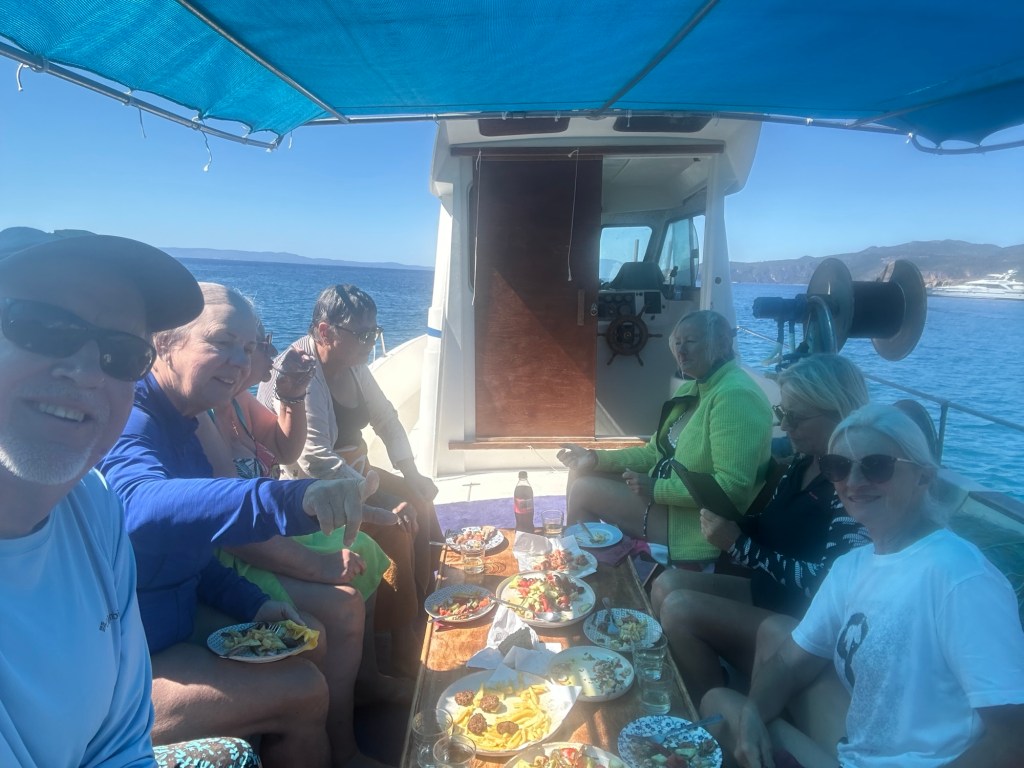
Captain Antonio took a group of seven us out on the Mediterranean to observe traditional fishing methods, to swim in the sea, and then eat his catch of the day!
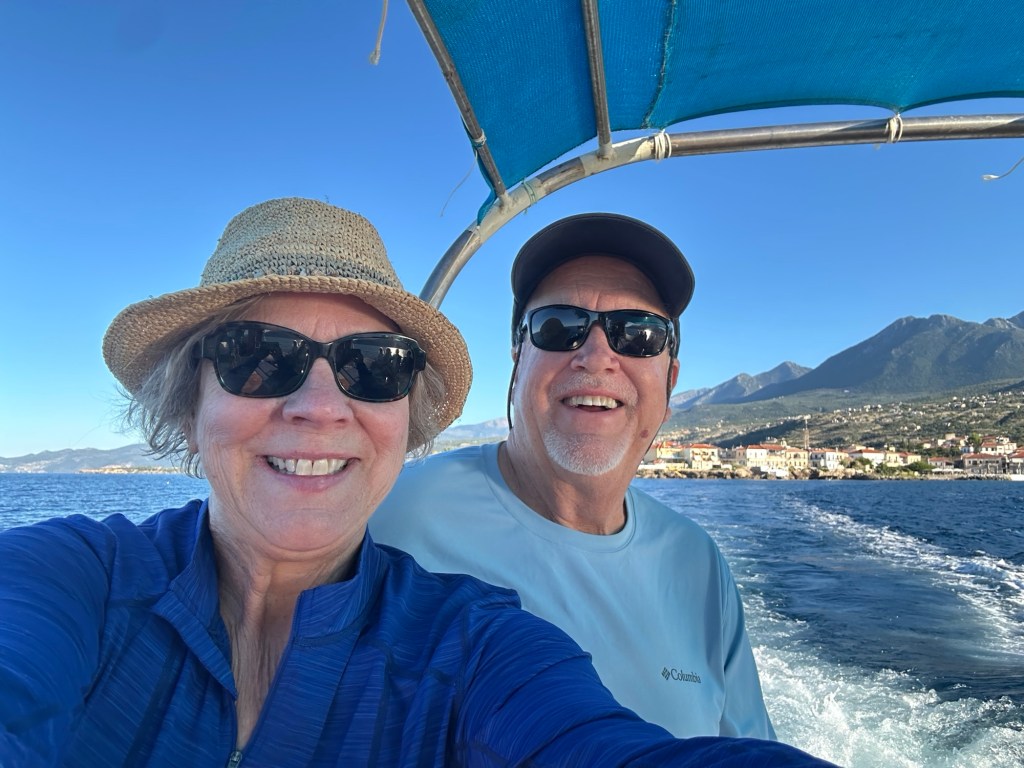
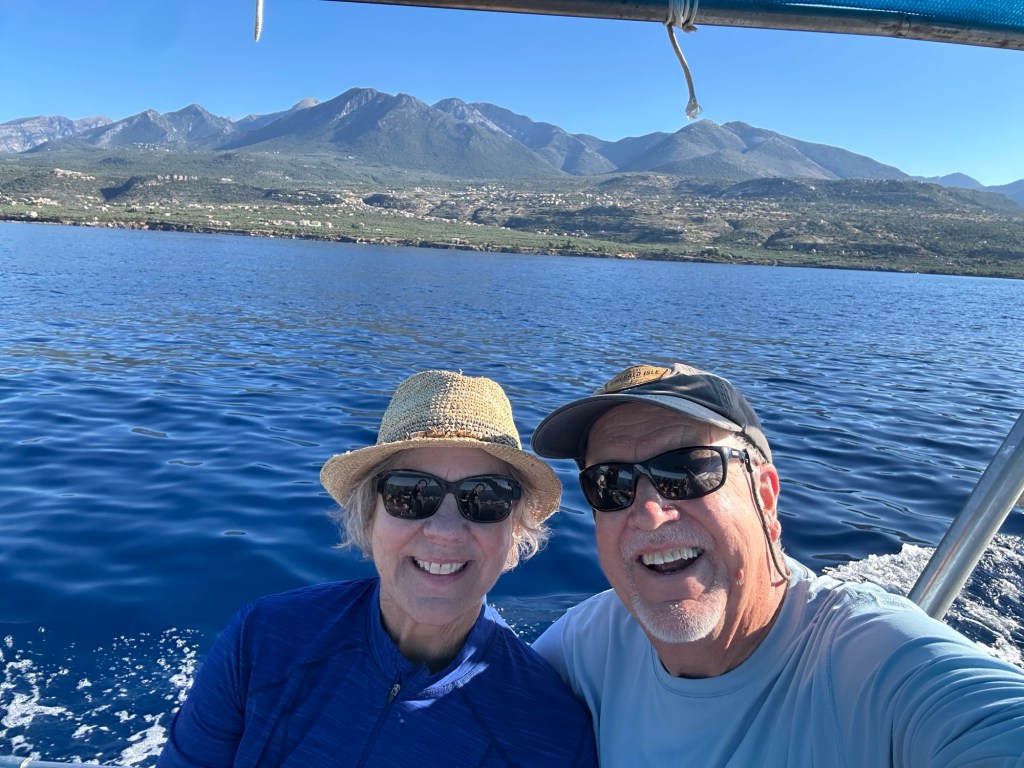
Heading out of the Agios Nikolas harbor on a beautiful day. We have been blessed with terrific weather.
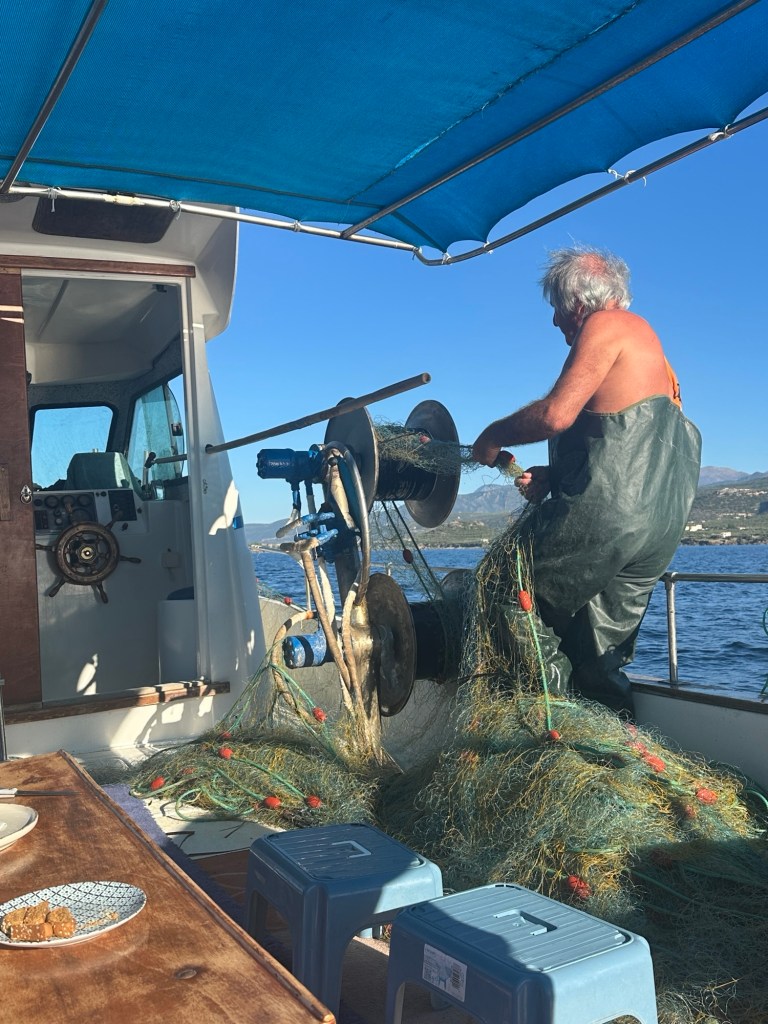
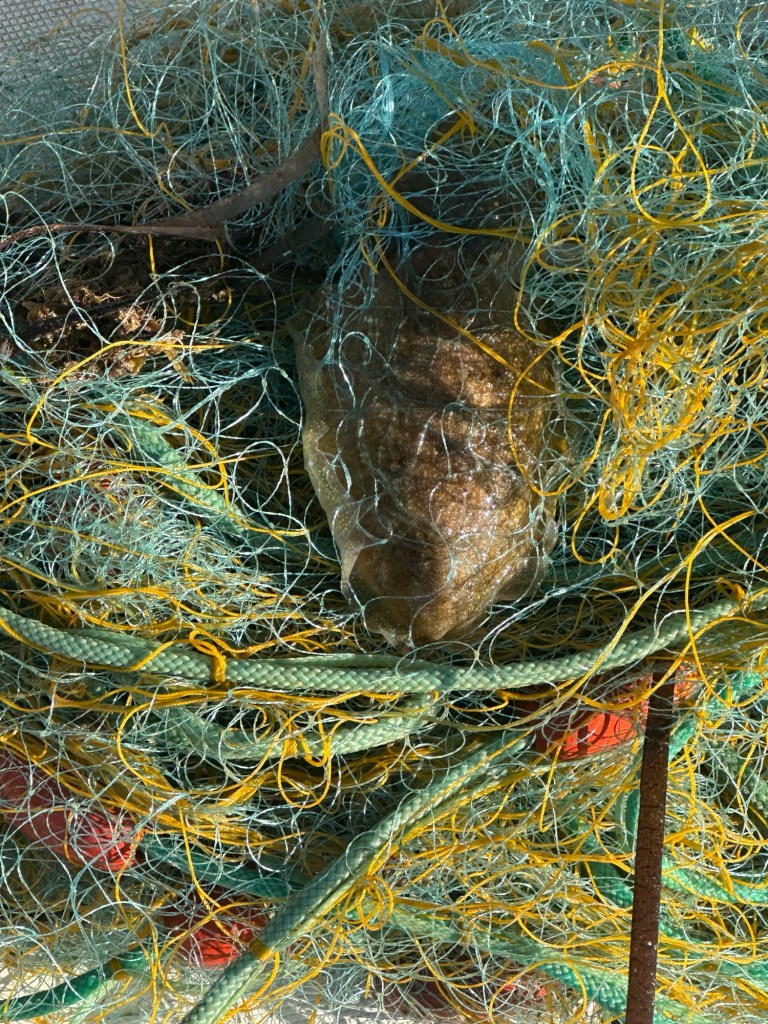
Captain Antonio pulling in the nets. He would announce what type fish it was including calamari! It was a good haul.
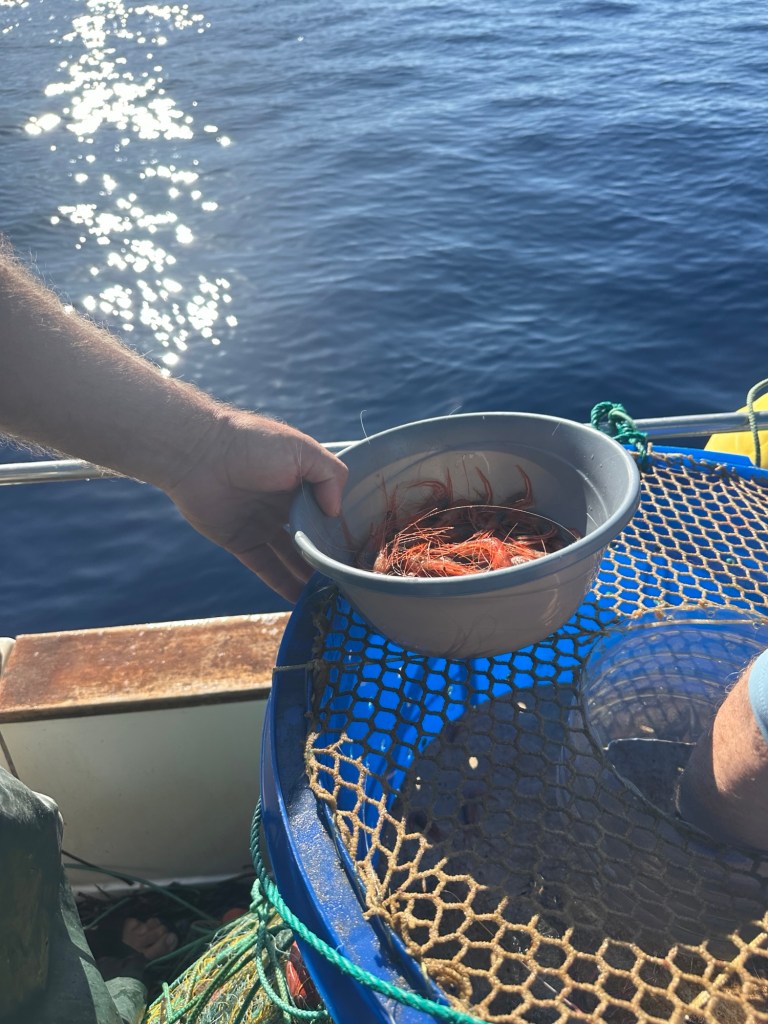
Next up was the shrimp pot! They were so small that he flash fried them with the shells on.
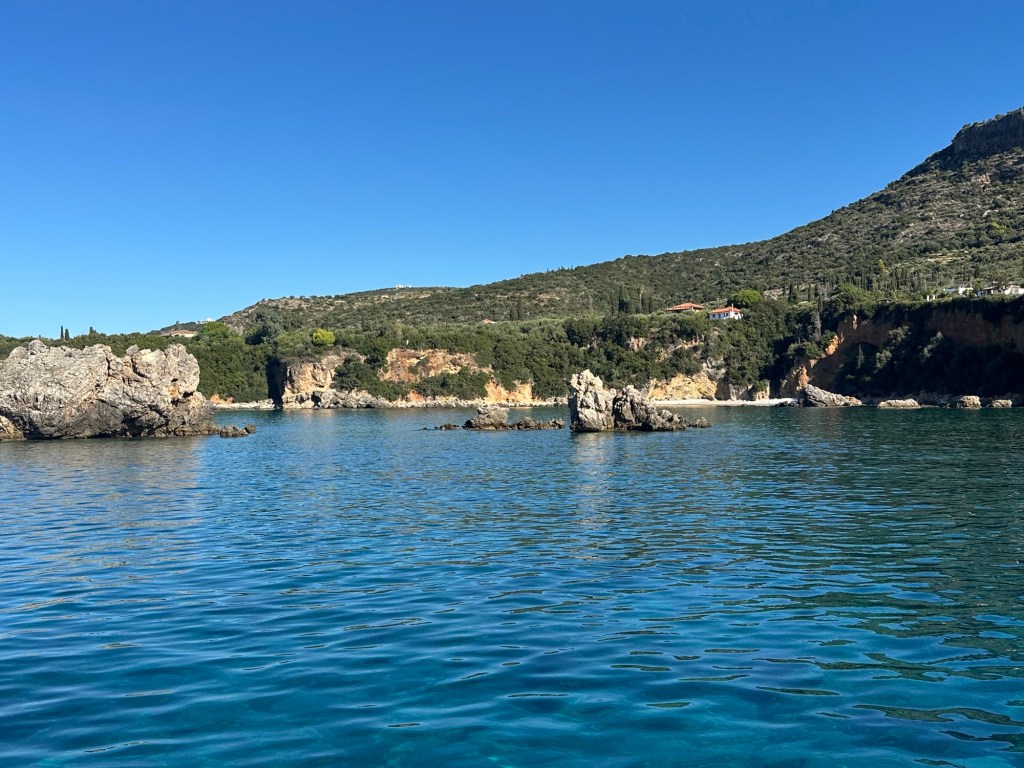
The scenery was stunning.
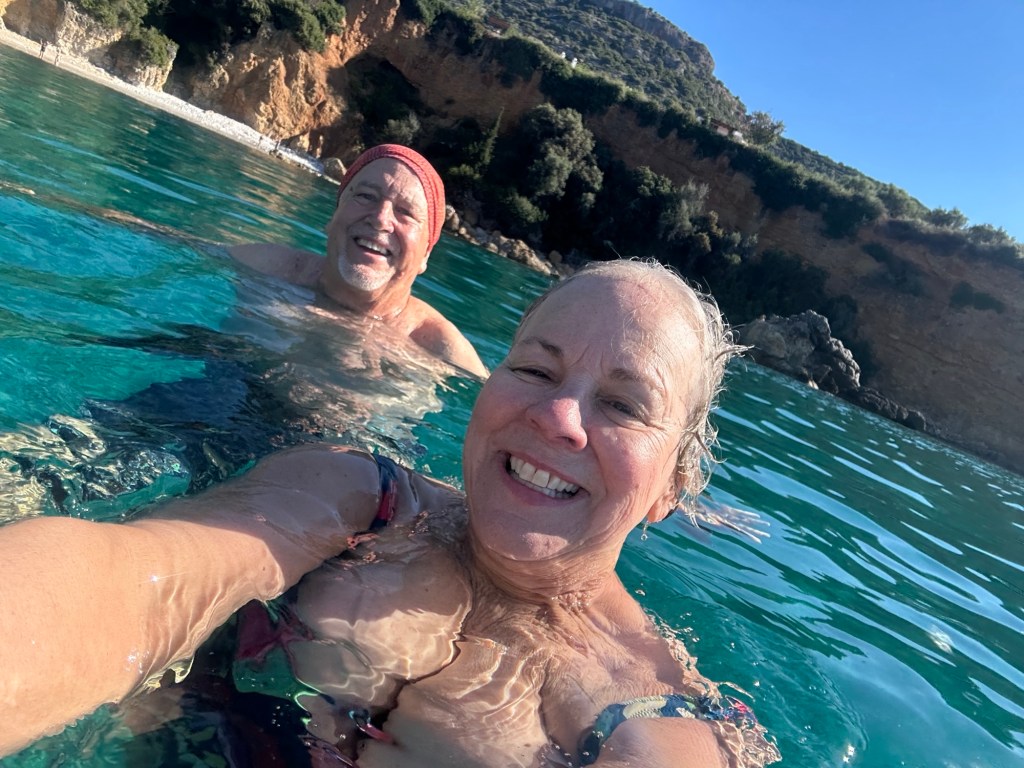
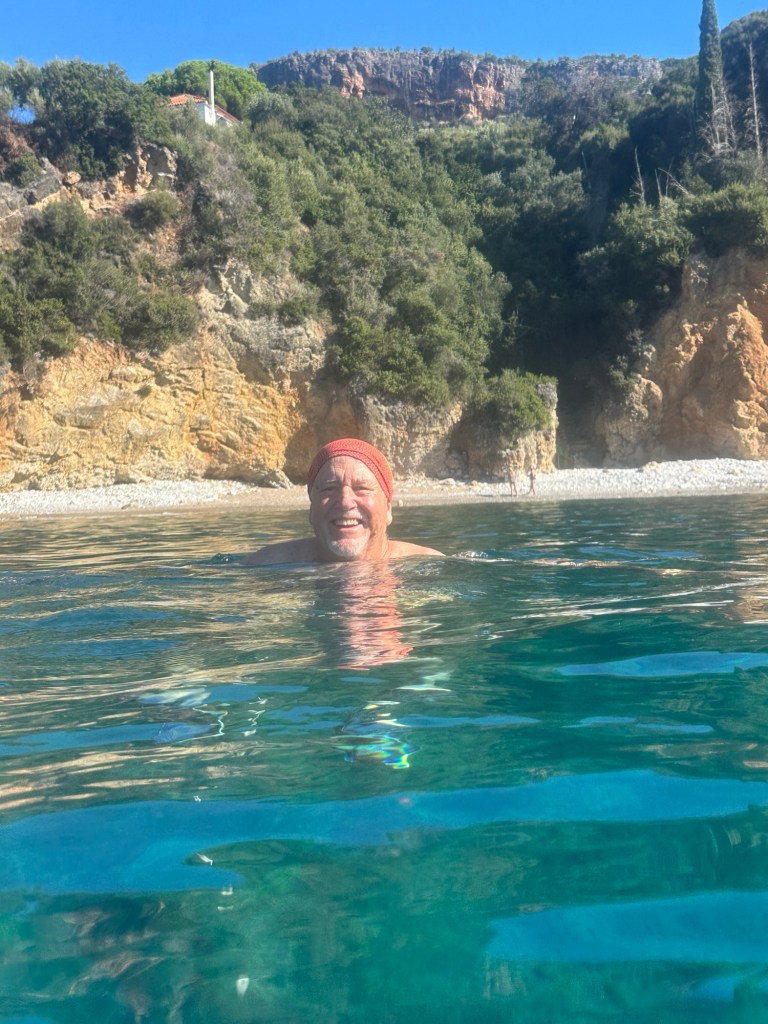
The water was once again “refreshing” but each of our four swimming stops was like swimming inside a gemstone.
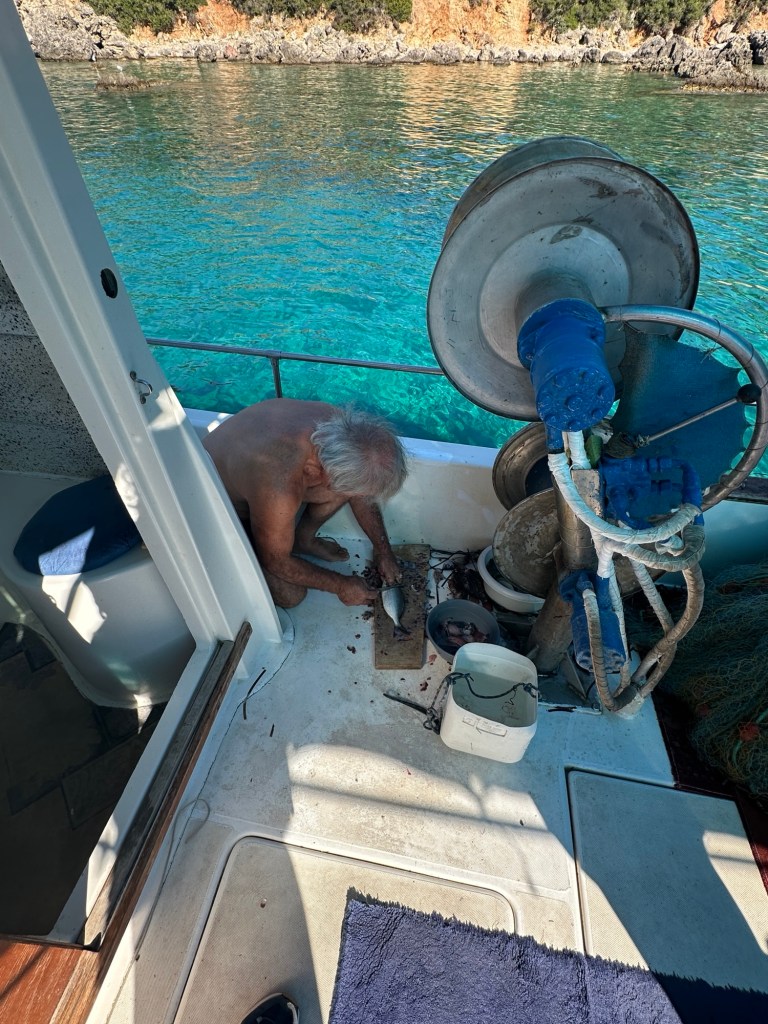
Cleaning the fish on the deck.
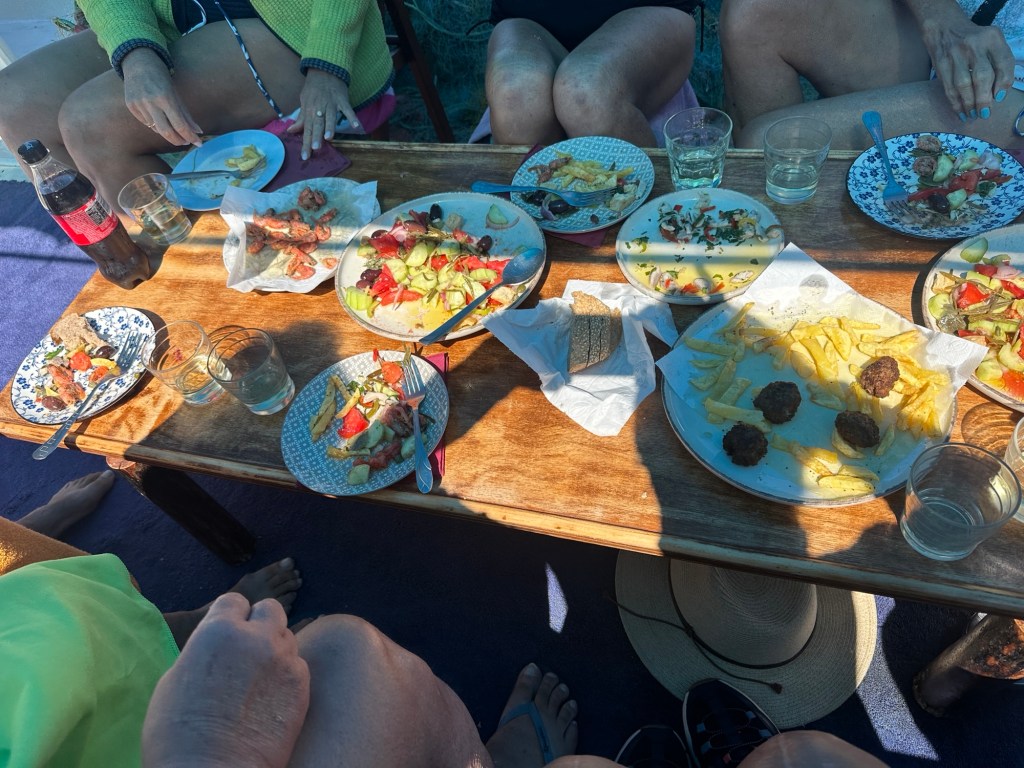
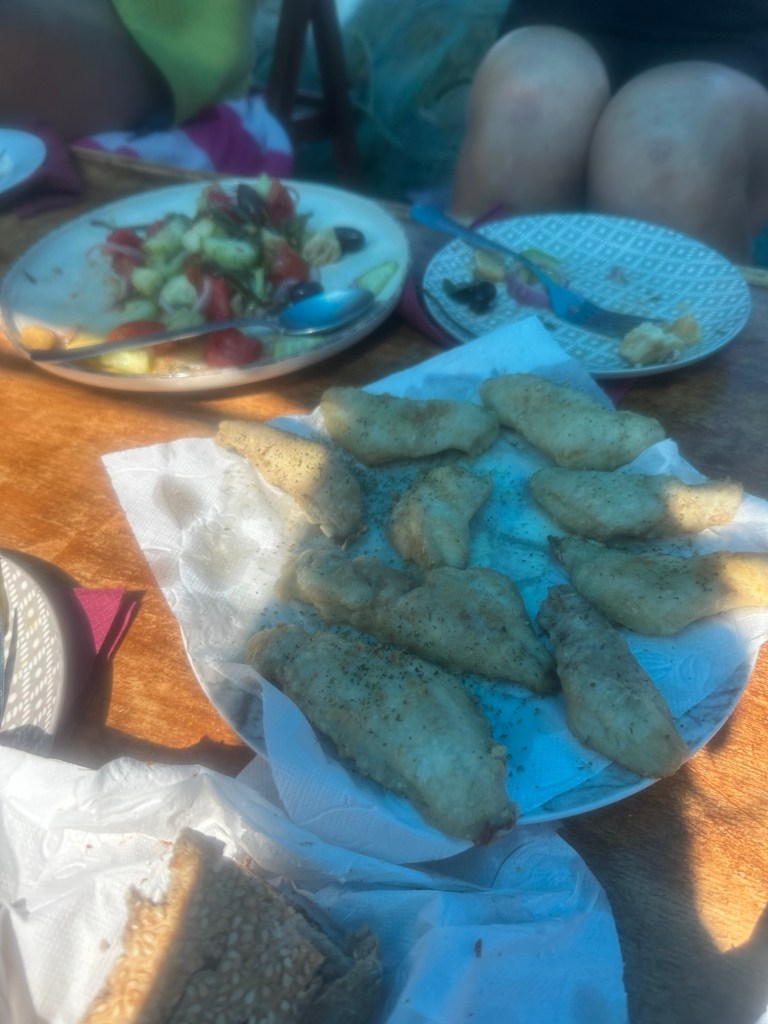
Our meal of fresh fish, fried potatoes, and Greek salad. Captain Antonio prepared the entire meal in his little pilot house! It was the freshest most delicious meal we’ve had yet!
Our friends on the boat were five women originally from the UK, three of which live here now!
I have a new friend. If you are ever in the Mani Peninsula I highly recommend this trip.

WhatsApp +30 698 684 7465

https://www.facebook.com/share/r/1UYaMw1St3/?mibextid=wwXIfr
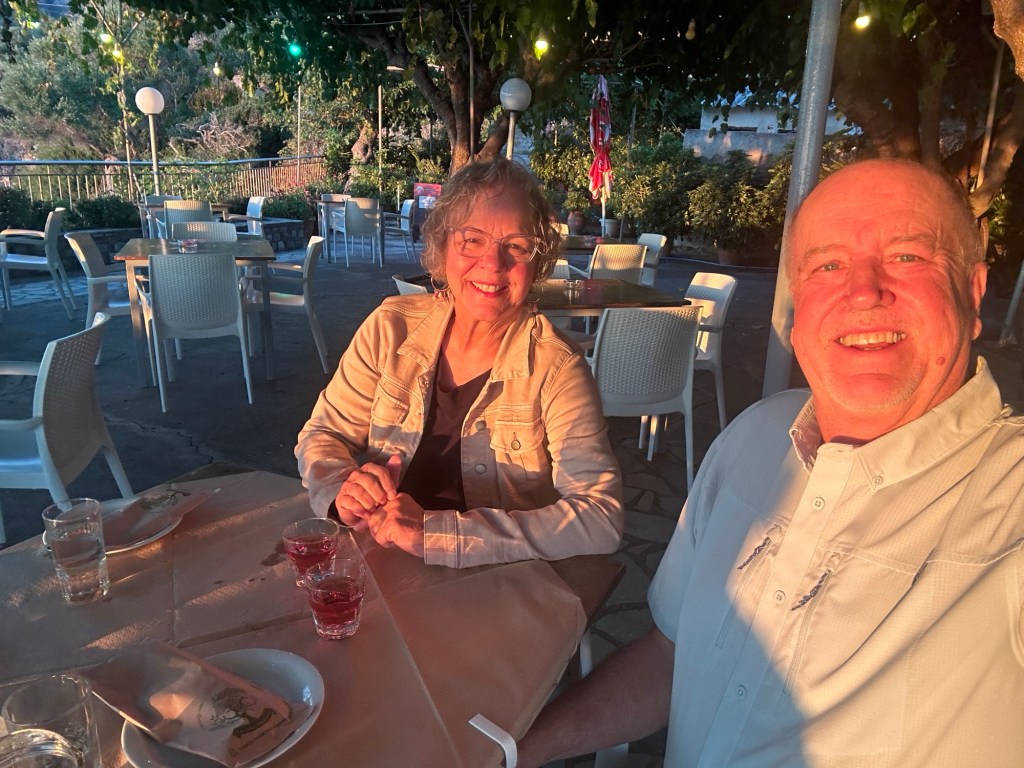
On our last night in Agios Nikolas we had dinner at a restaurant our new expat friends recommended. Voulimeneas was perfect for our last night in this town we hope to return to someday. We have found dining in Greece to be so affordable. About half the price of the US even considering the exchange rate. On to our last stop in the Peloponnese.

Sometimes it’s not a dreamy setting that awes you. Sometimes it is the theatre that nature itself creates. Today was one of those days.
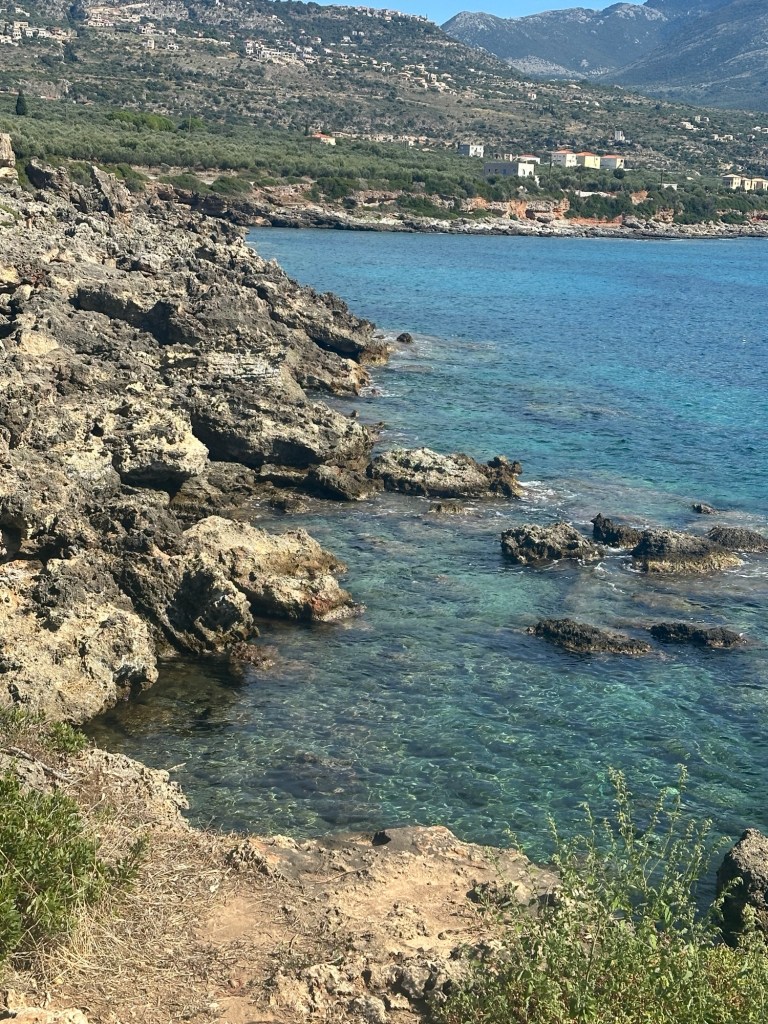
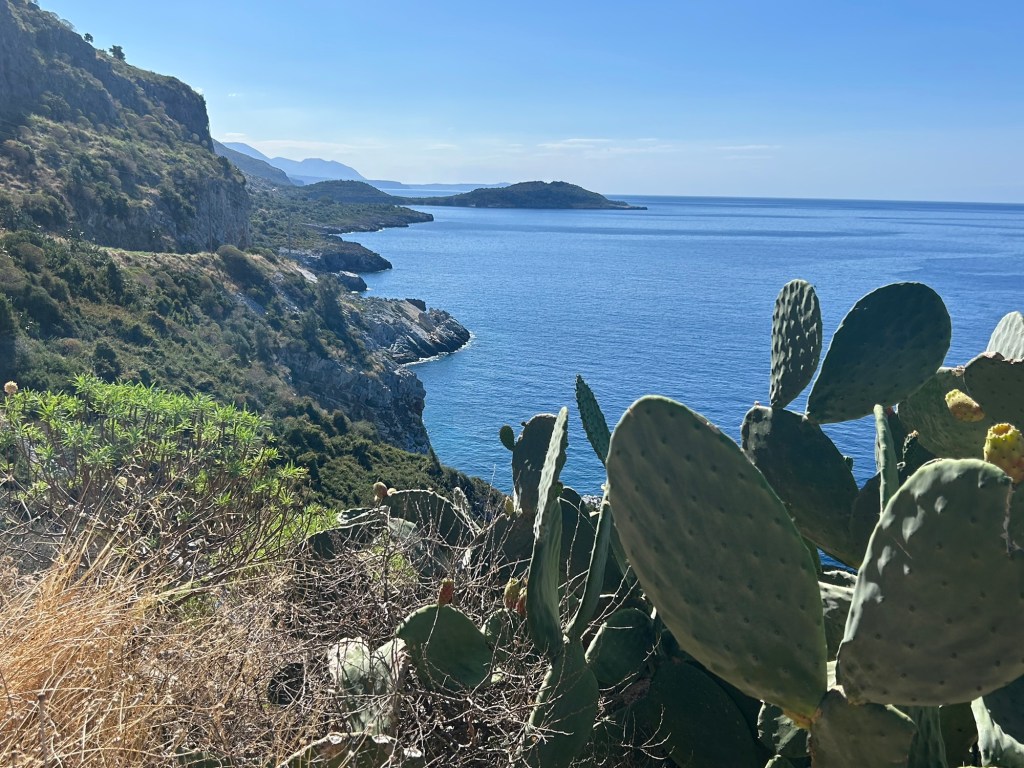
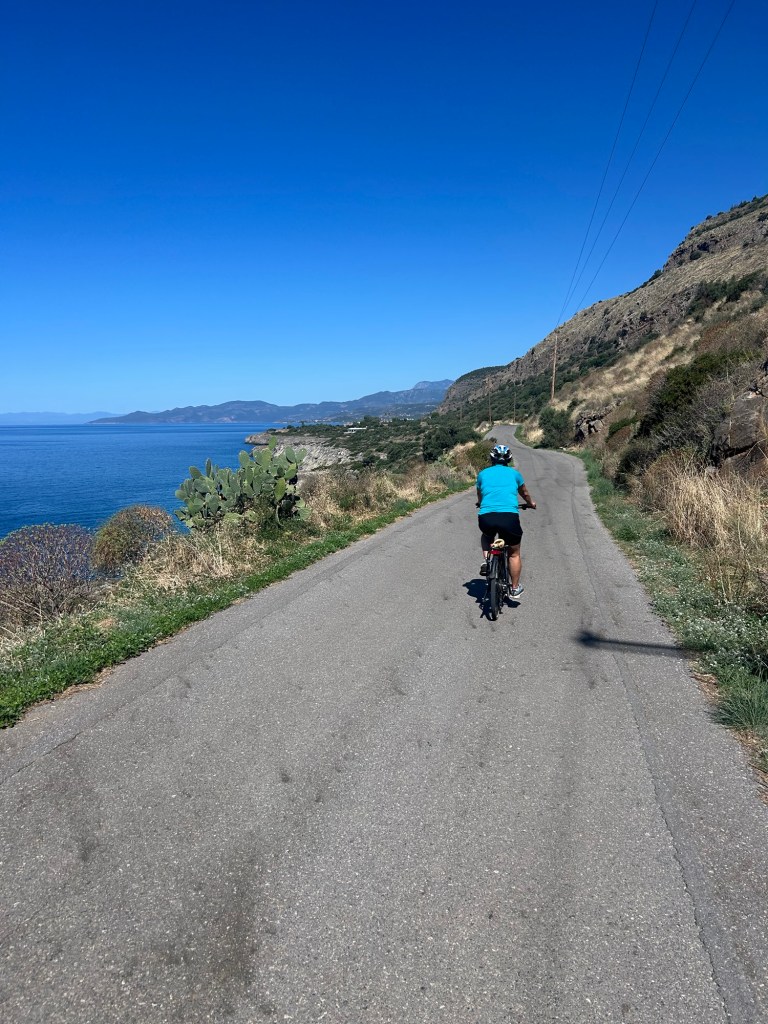
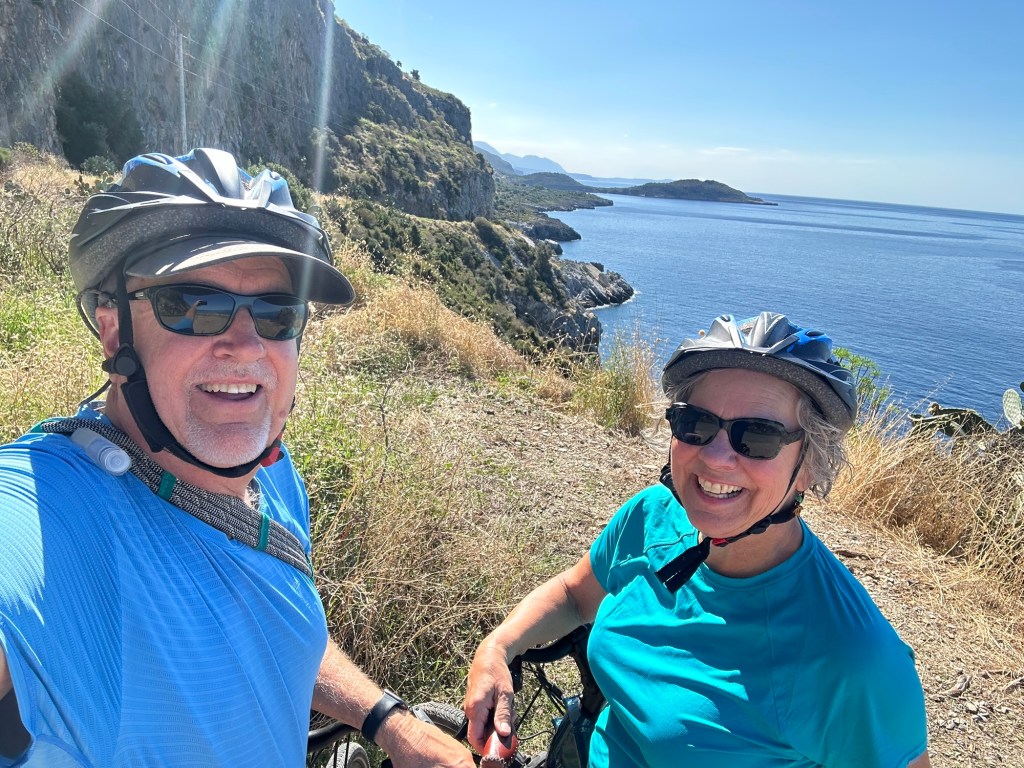
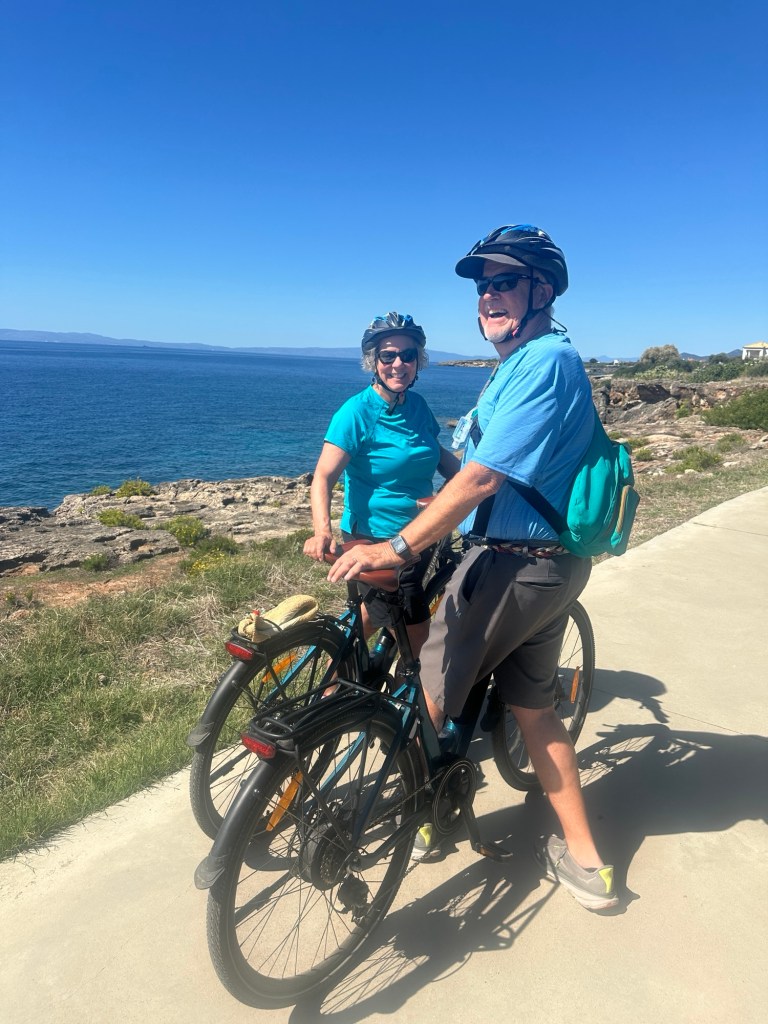
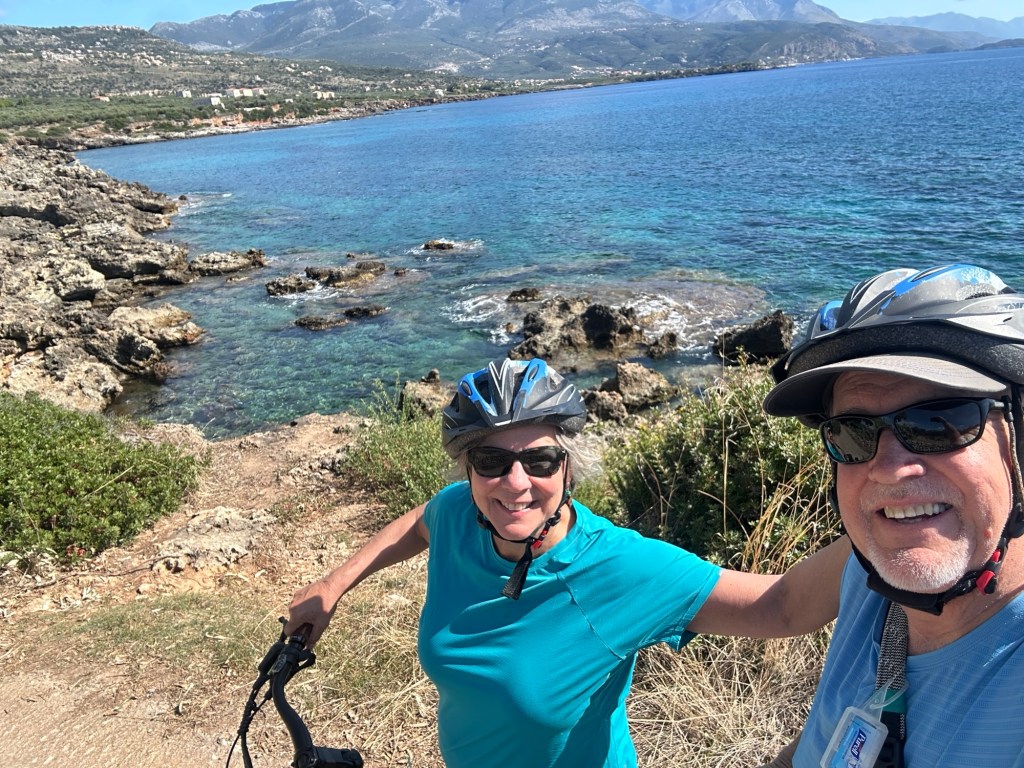
Ed and I rented e-bikes from Mani Bikes and rode both north and south from our accommodations in Agios Nikolas. The scenery is stunning. The pictures cannot capture the beauty of the water along the rocky coastline.
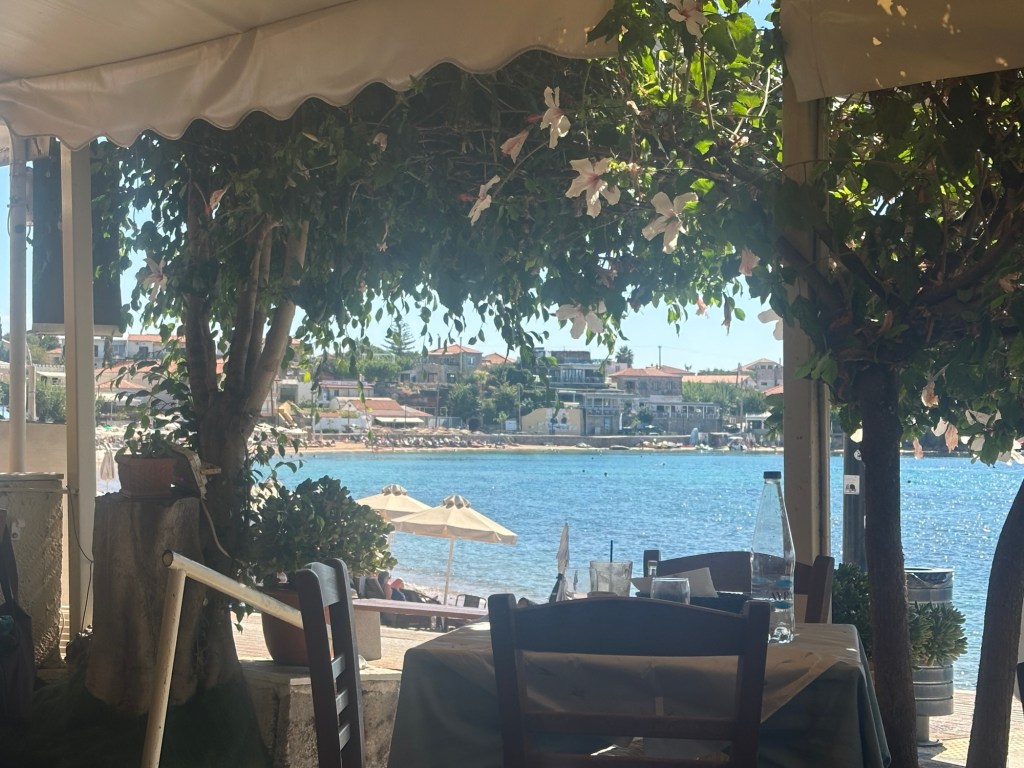
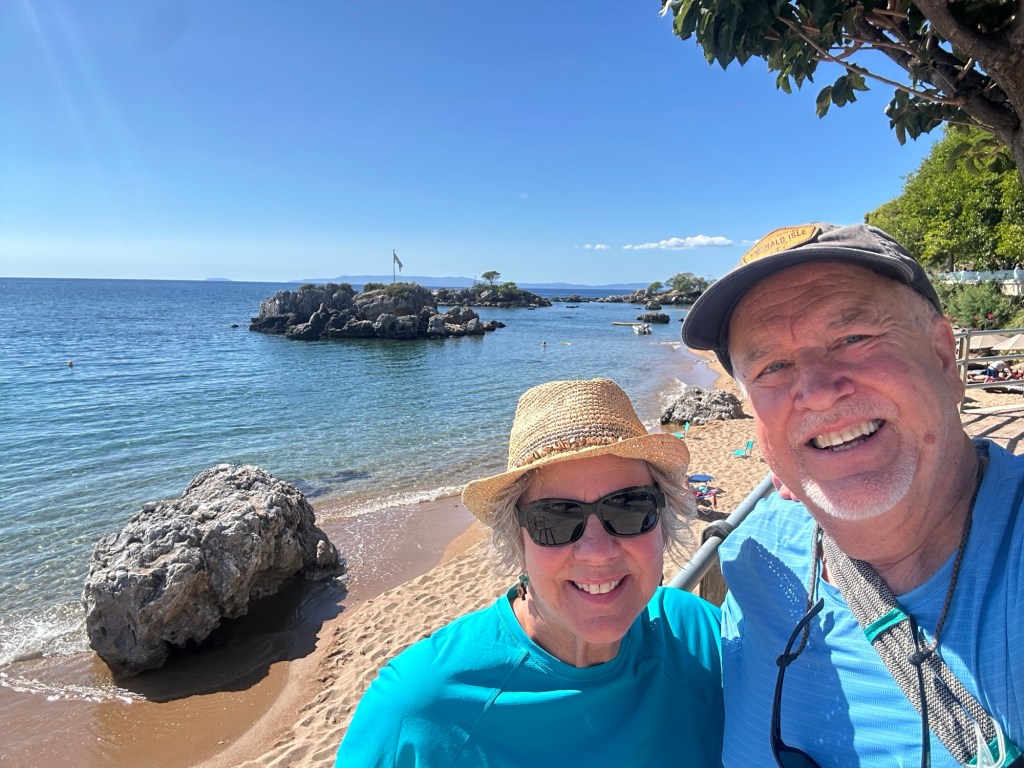
We stopped for a leisurely lunch in Stoupa, the village above Agios Nikola. It has a crescent shaped beach that was jammed with sun beds and umbrellas. It was nice but we are glad we chose our quiet little seaside community.

Making our way to the Mani Peninsula with a climb to Mystra.
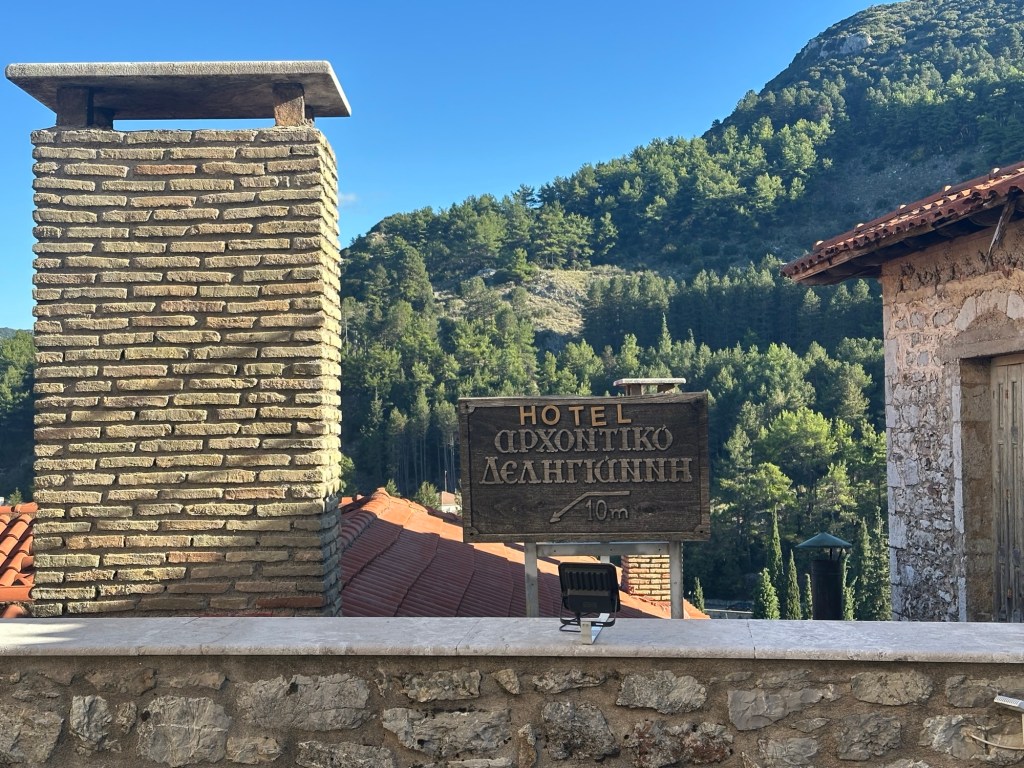
Saying goodbye to Dimitsana. Our hotel was charming. Let this serve as acknowledgment of its name, as I can’t begin to spell it or pronounce it myself.
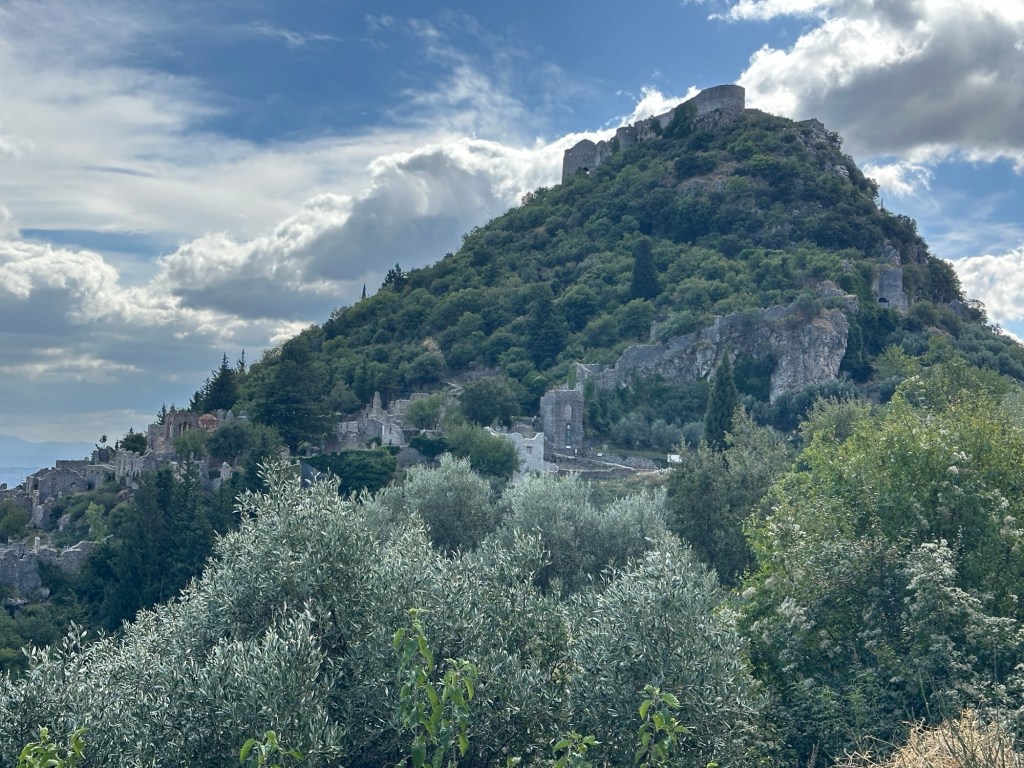
We spied Mystra as we approached.
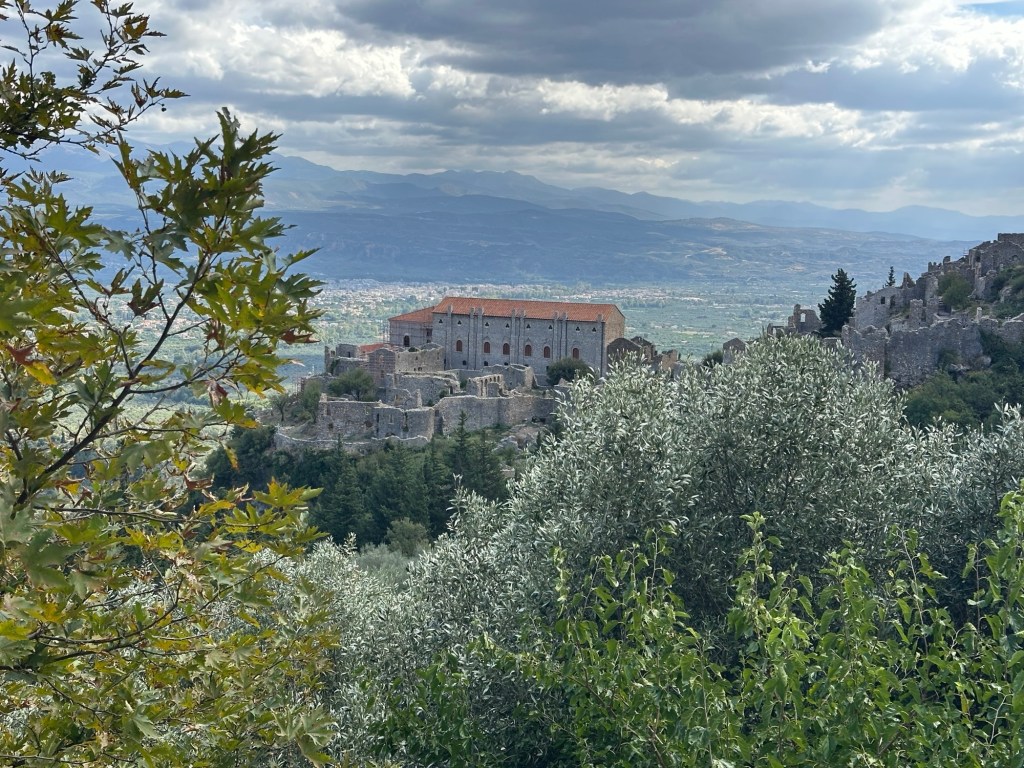
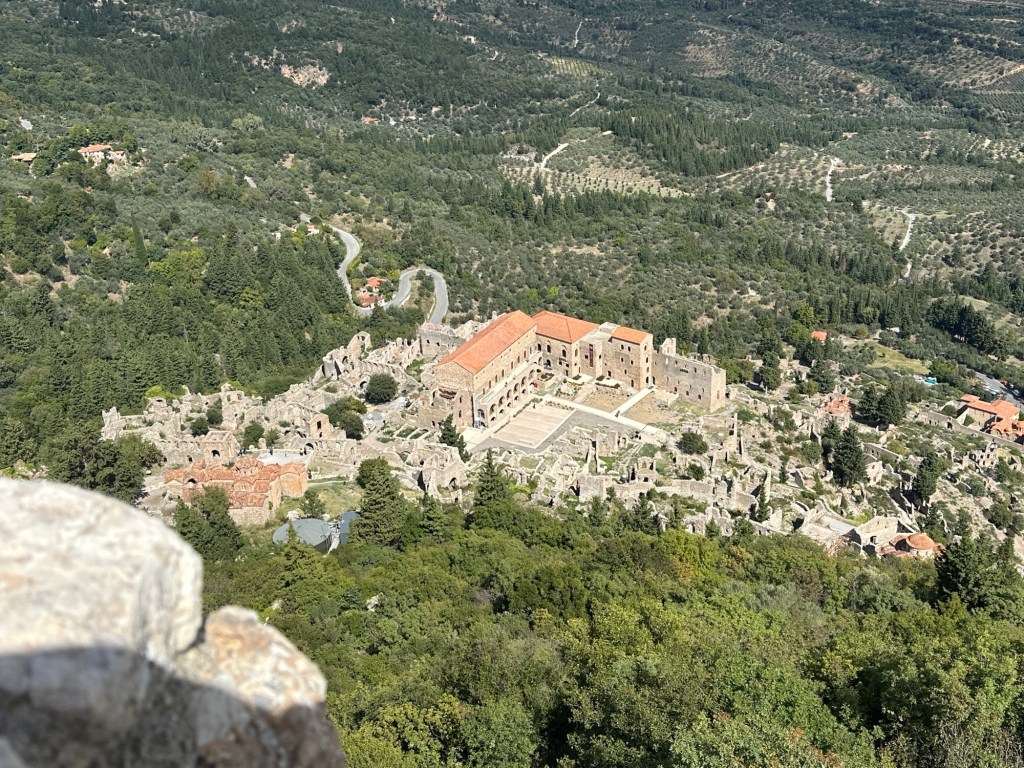
The Destops Palace from above.
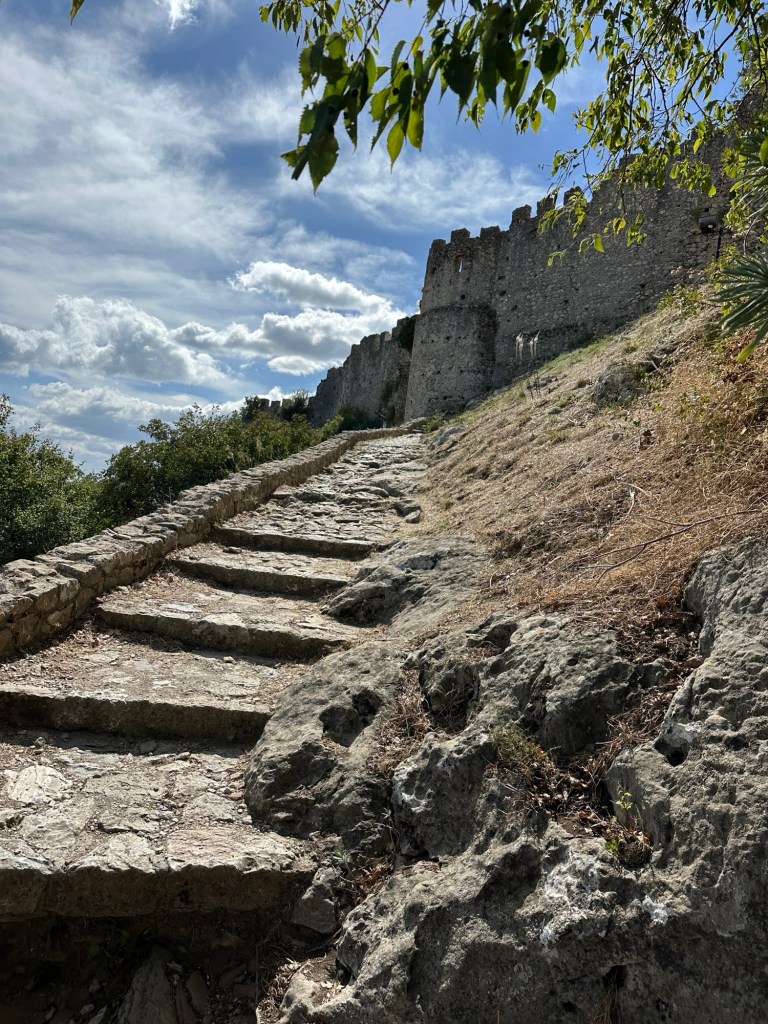
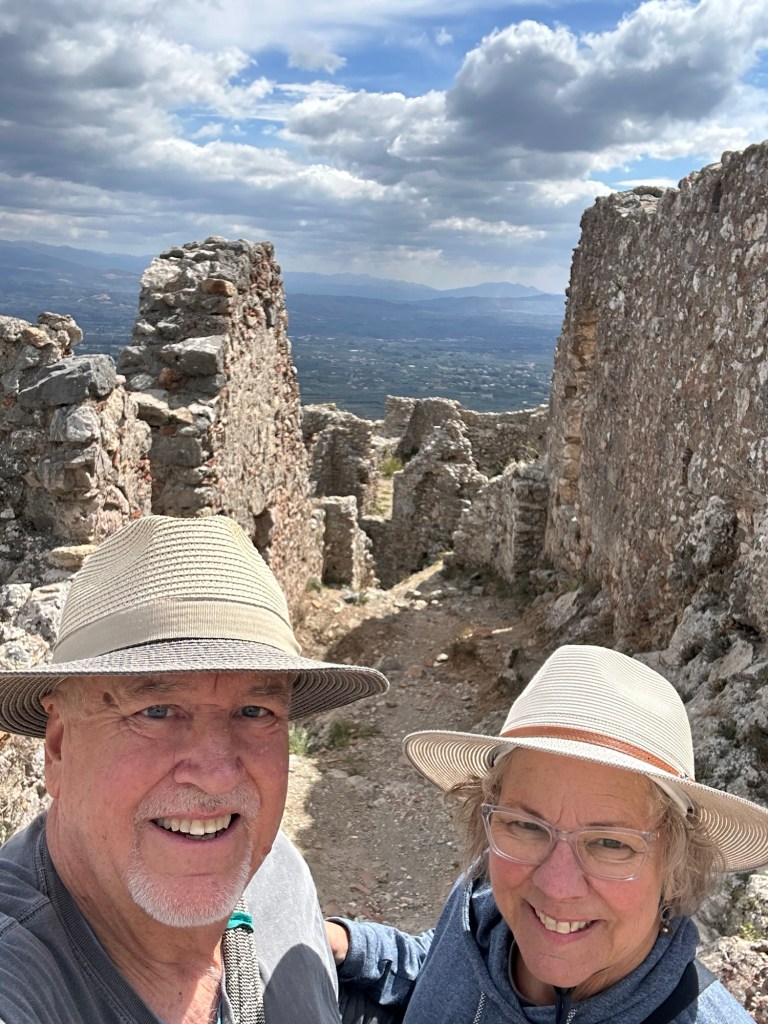
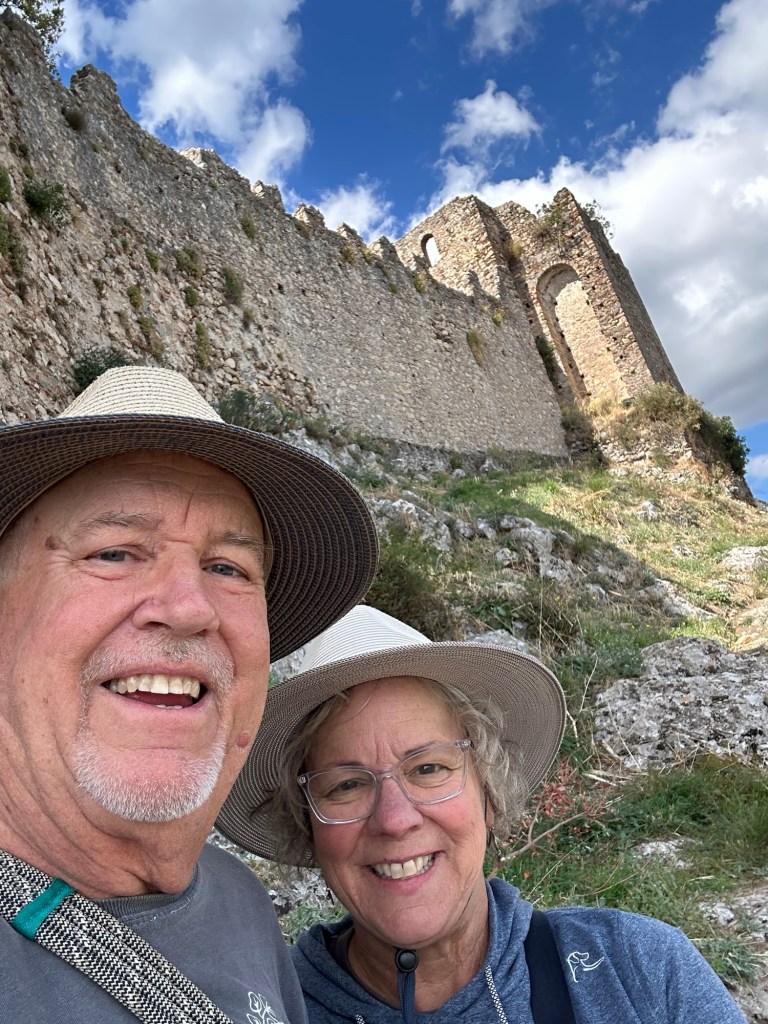
The climb to the castle was intense, but Team Tortoise prevailed! Ed is improving every day🫶🏼
The view looking down on the ruins of the city that the castle protected. As with many historic sites in Greece, this settlement changed hands numerous times. It is best described on the UNESCO site:
Archaeological Site of Mystras
Mystras, the ‘wonder of the Morea’, was built as an amphitheatre around the fortress erected in 1249 by the prince of Achaia, William of Villehardouin. Reconquered by the Byzantines, then occupied by the Turks and the Venetians, the city was abandoned in 1832, leaving only the breathtaking medieval ruins, standing in a beautiful landscape.
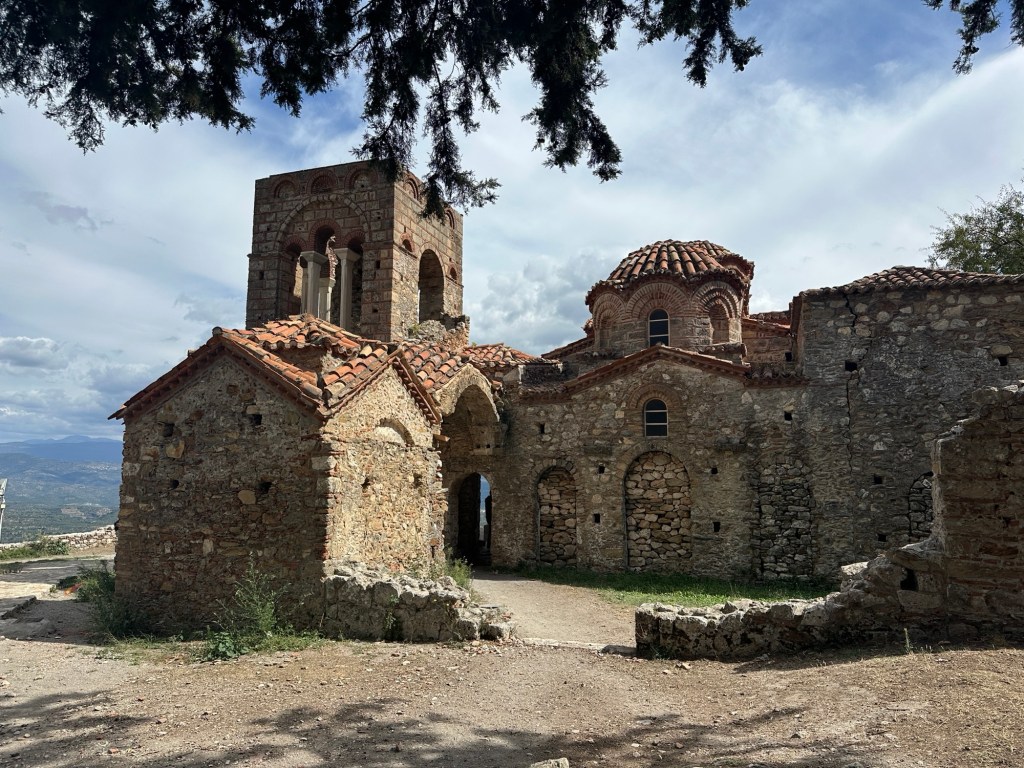
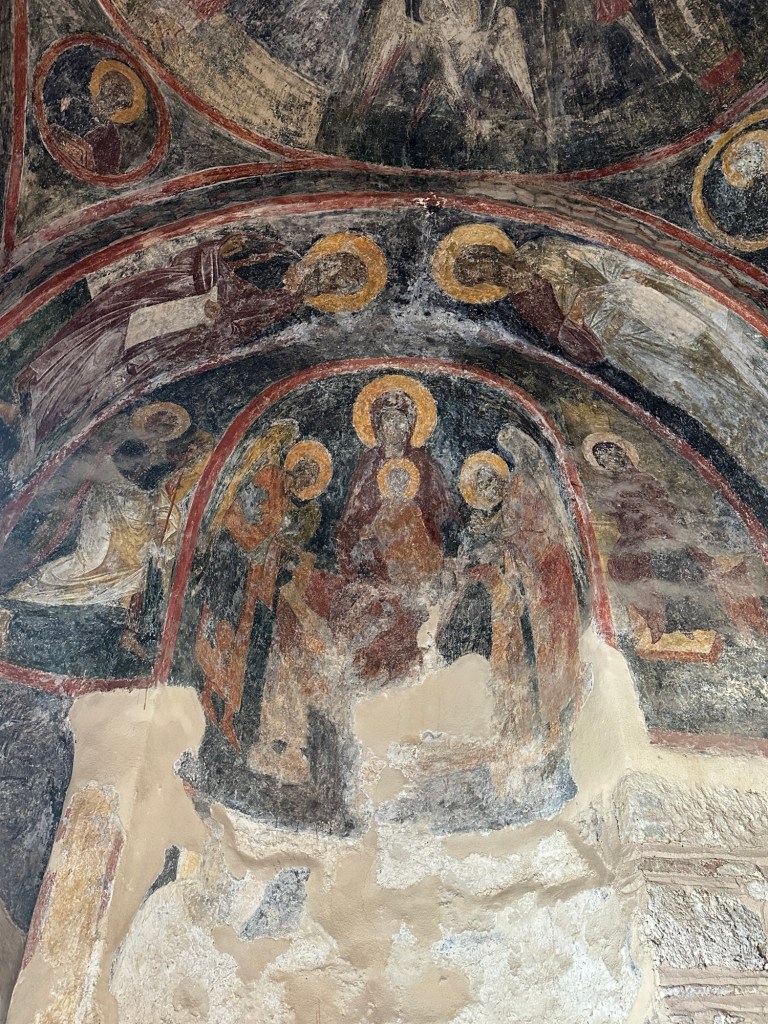
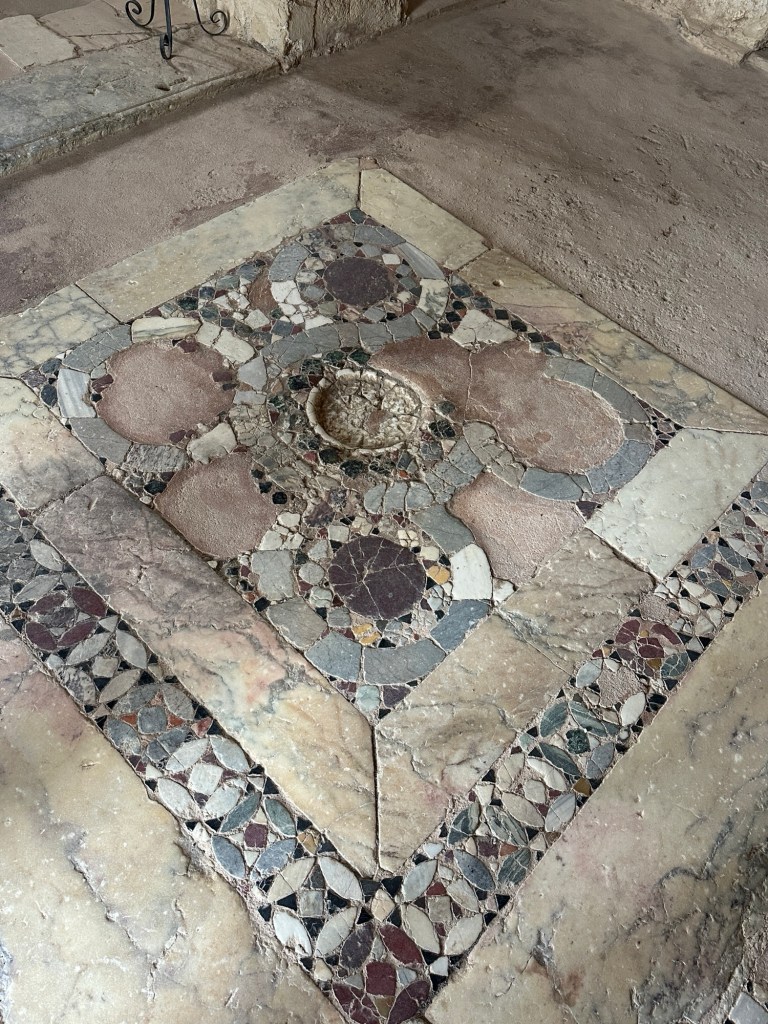
The Holy Church of Hagia Sophia with its beautiful frescoes and remarkable mosaic tile medallion.
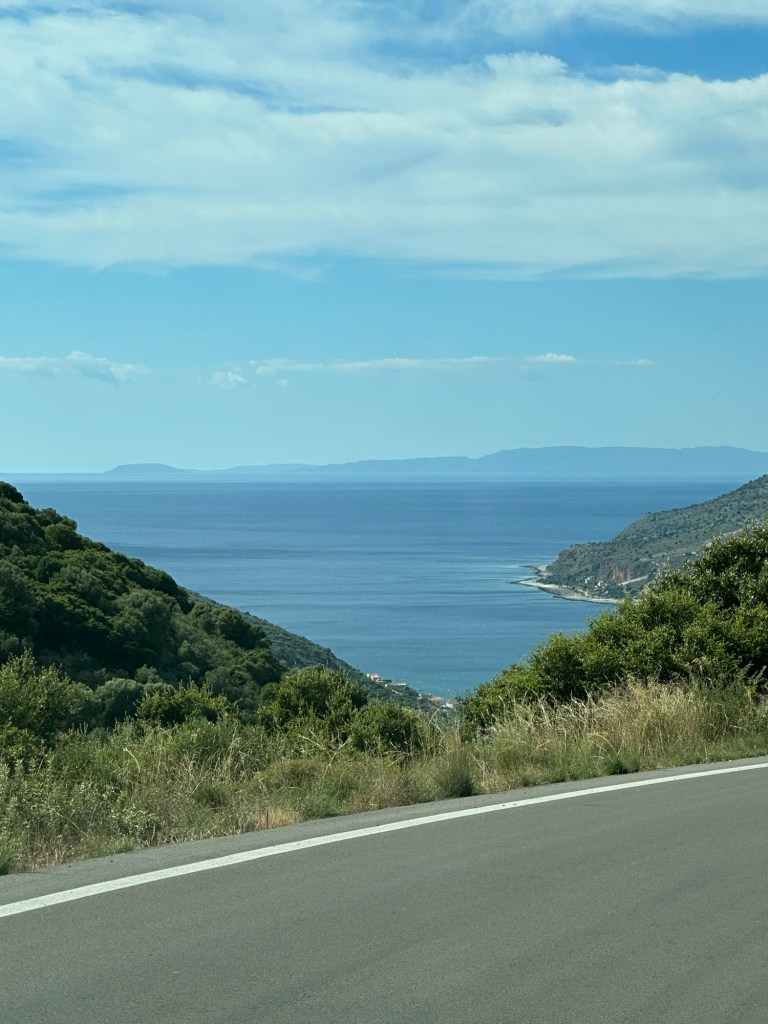
Our first glimpse of the Mediterranean Coast on the Mani Peninsula .
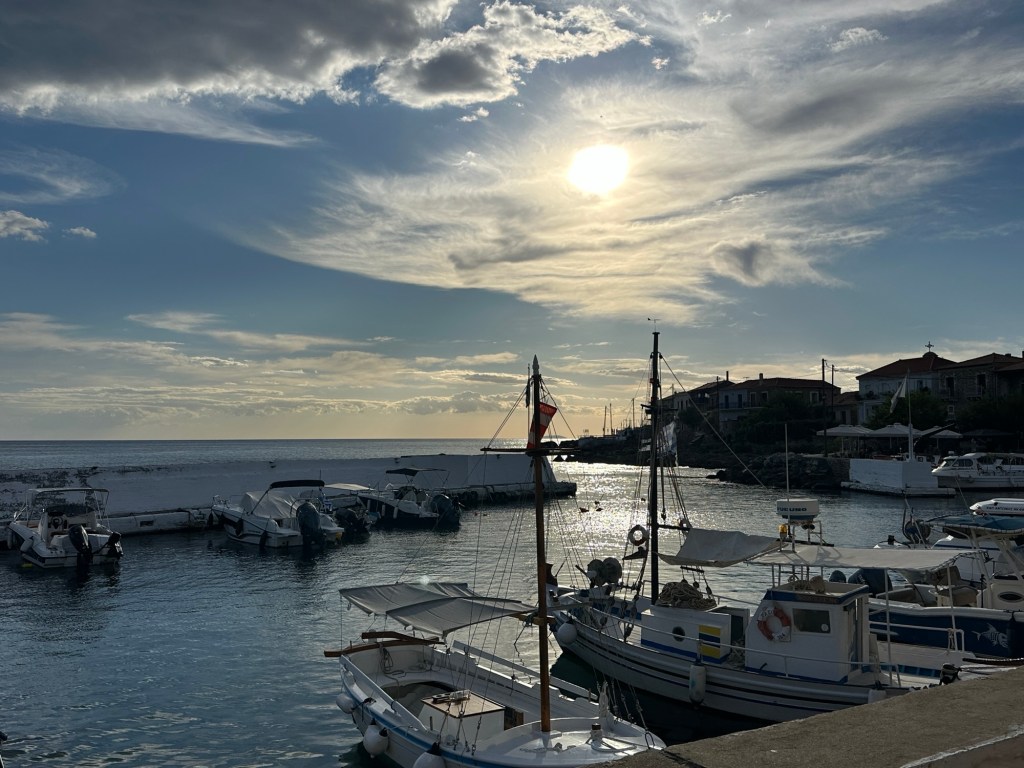
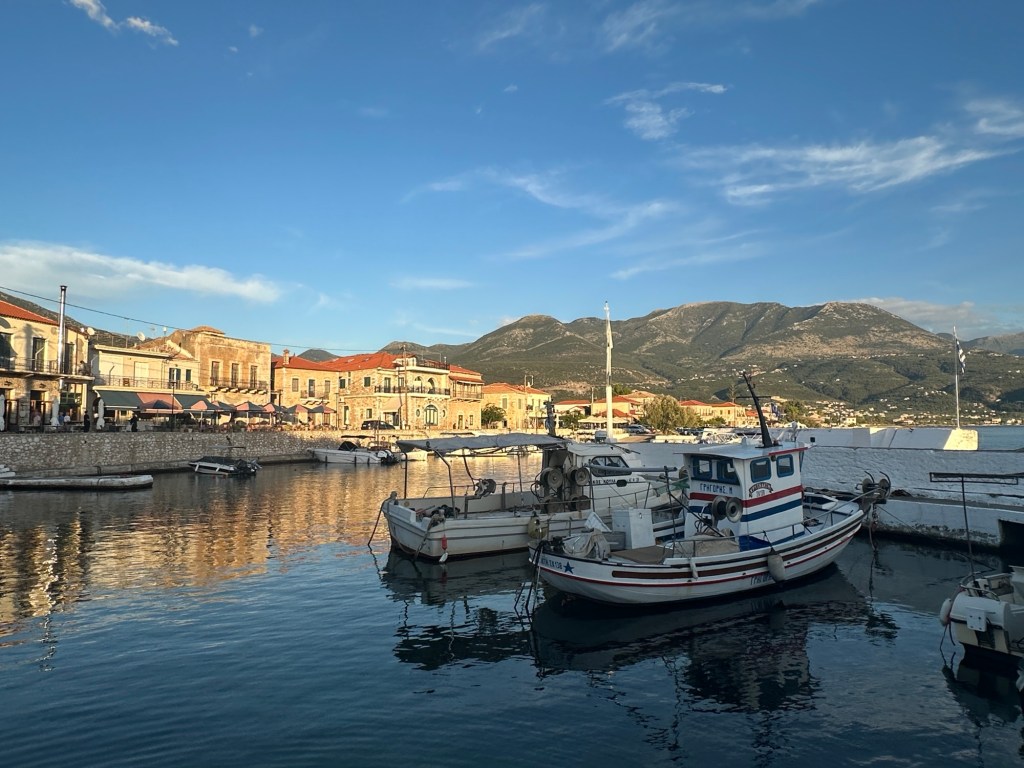
I chose the seaside village of Agios Nikolas for our stay on the Mani coast based on information gleaned from Facebook and Trip Advisor. The advice of others did not lead us in the wrong direction. The village runs along the waterfront and is lined with tavernas and restaurants with outdoor seating. The harbor is full of traditional Greek fishing boats. We are ready to take it all in over the next few days.

The Arcadia Region of the Peloponnese

Yesterday, October 2, we spent the day exploring the Arcadia region of the Peloponnese. It is a remote, mountainous region in the center of the peninsula. The Louisios River runs through it and has created an impressive gorge.
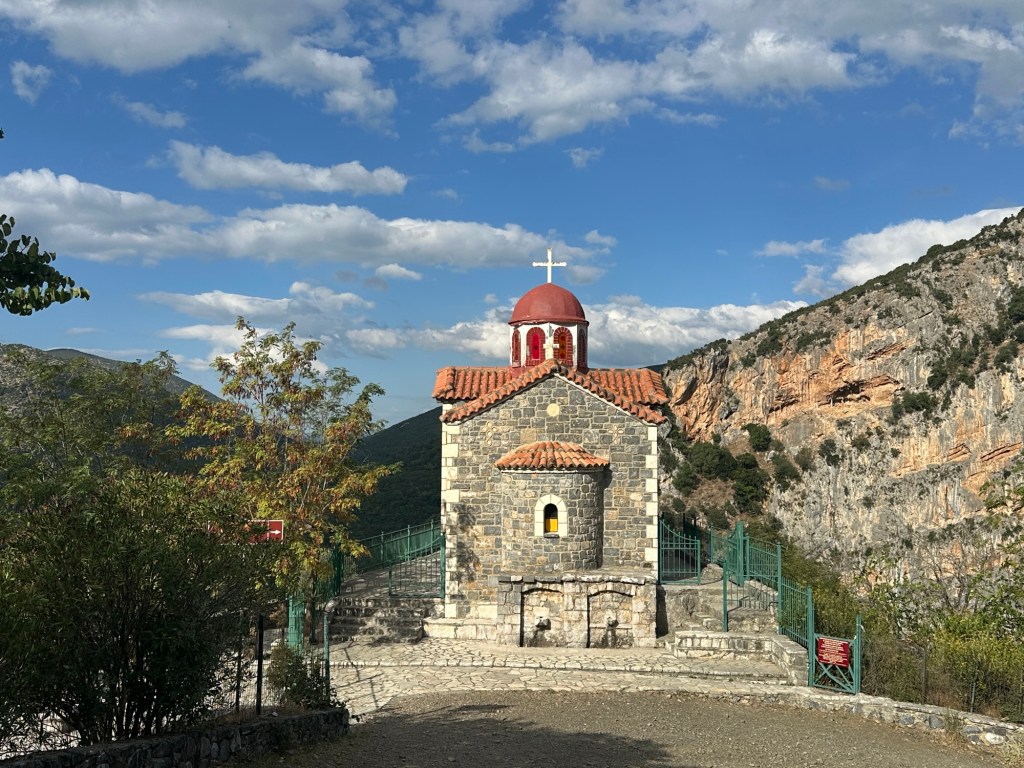
A more modern chapel marks the beginning of the trek to the monastery.
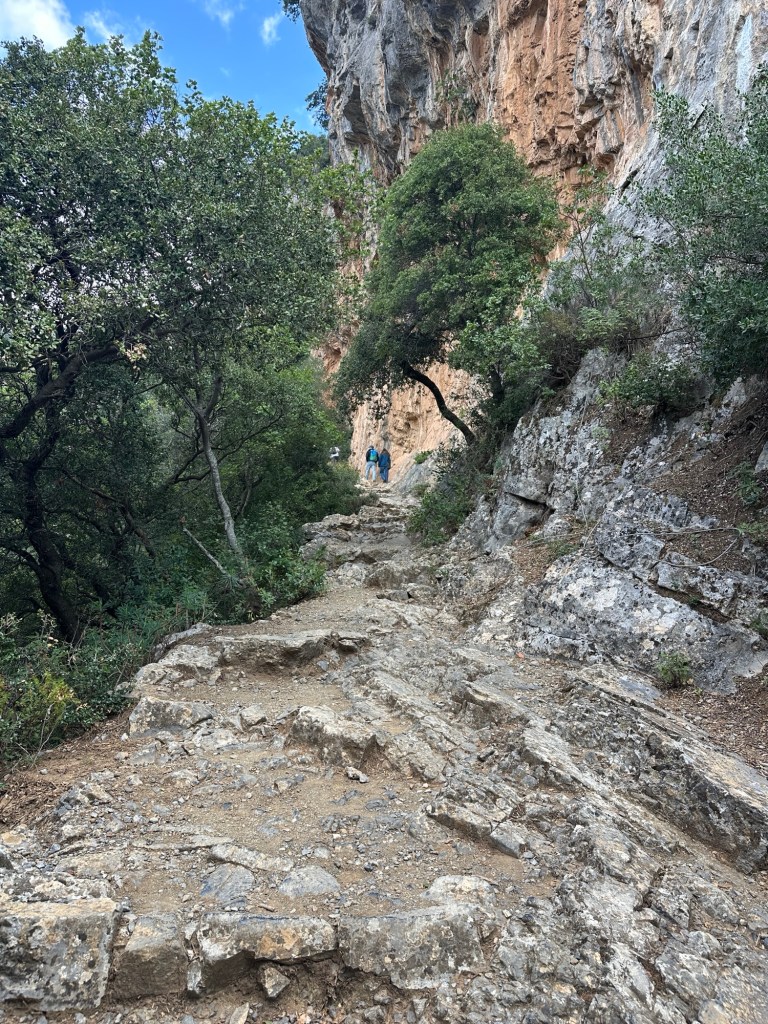
We hiked down (and up) to the monastery.

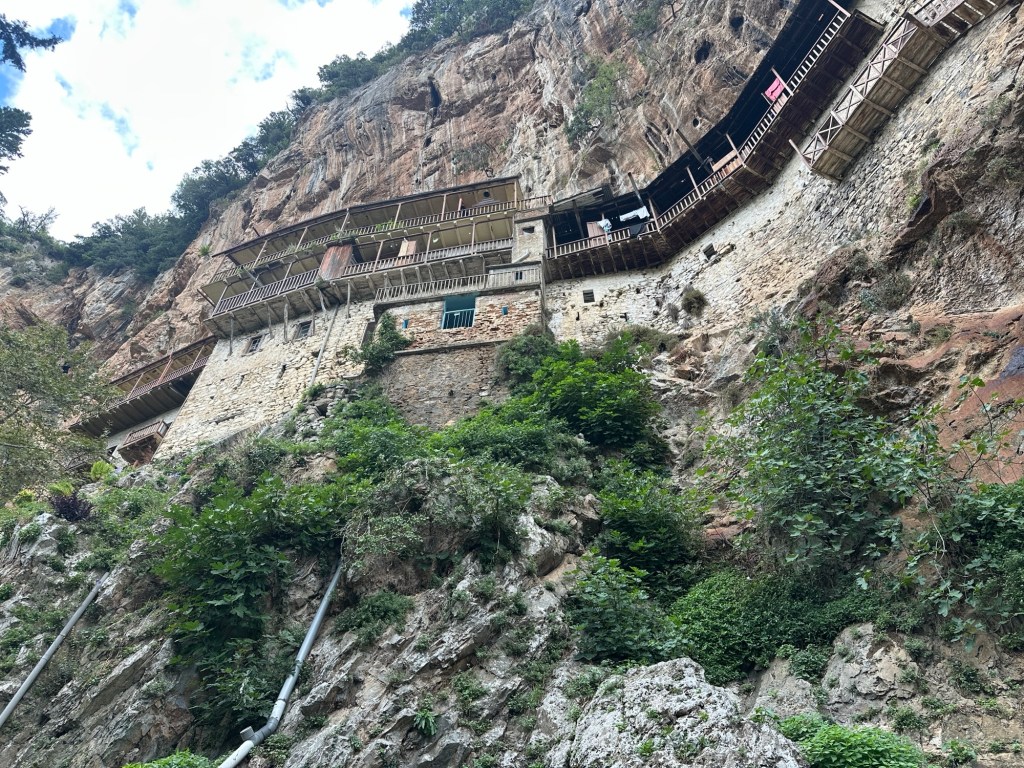
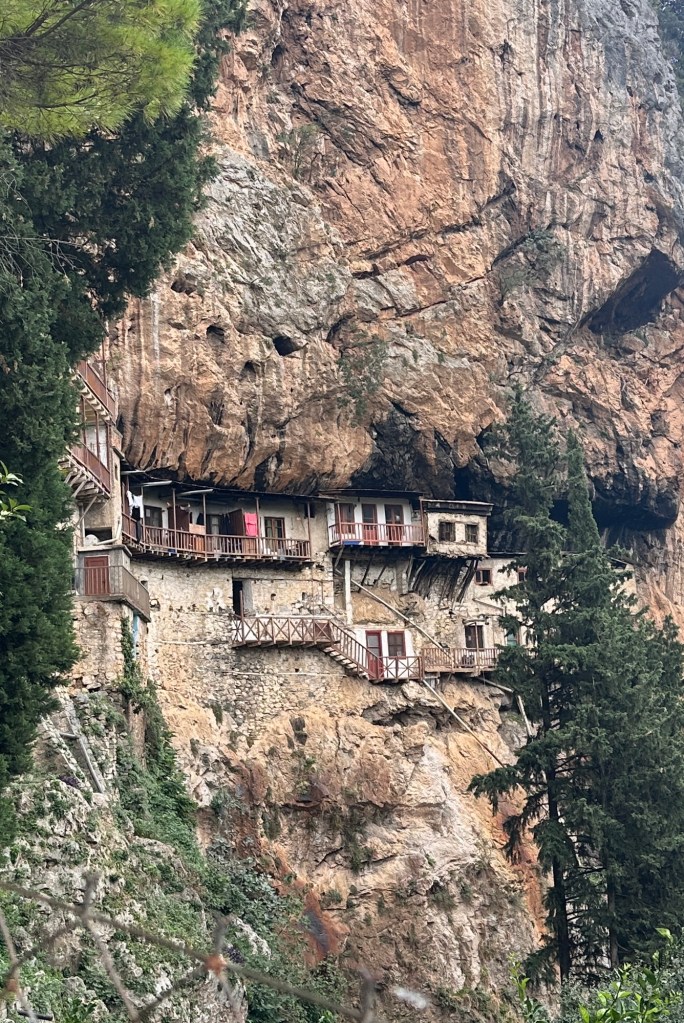
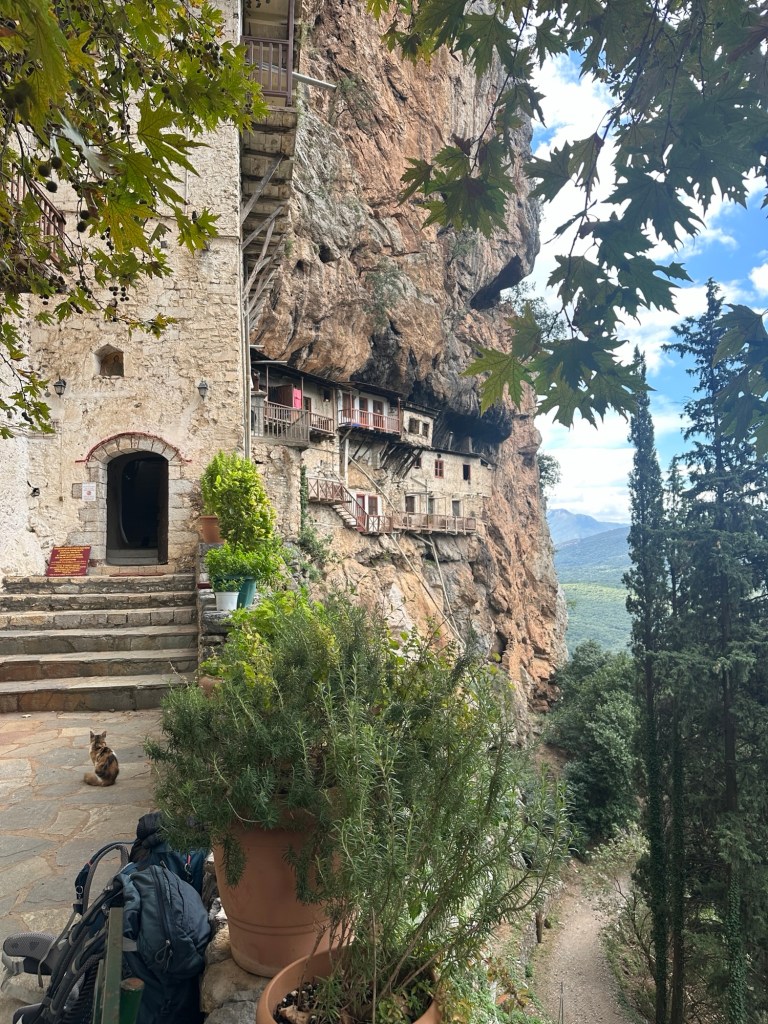
Moni Prodromou (St. John the Baptist Monastery), built into the cliffs of the Louisios Gorge. It was remarkable.
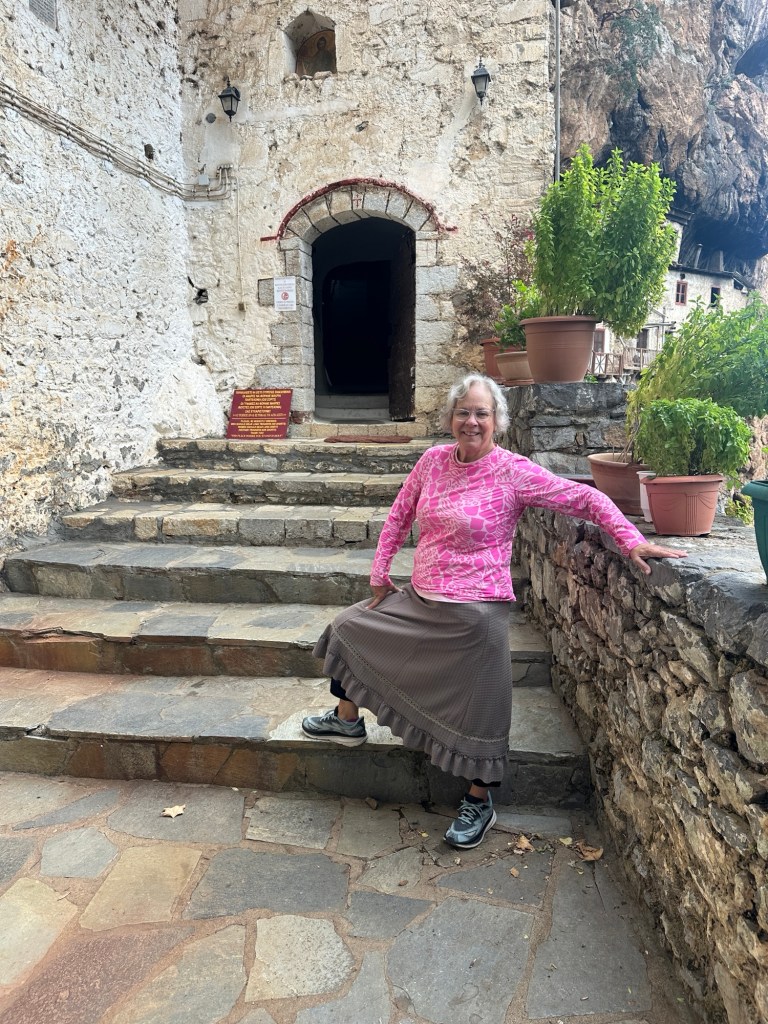
Slacks were prohibited for females, but not to worry… Skirts were provided to slip over our pants.
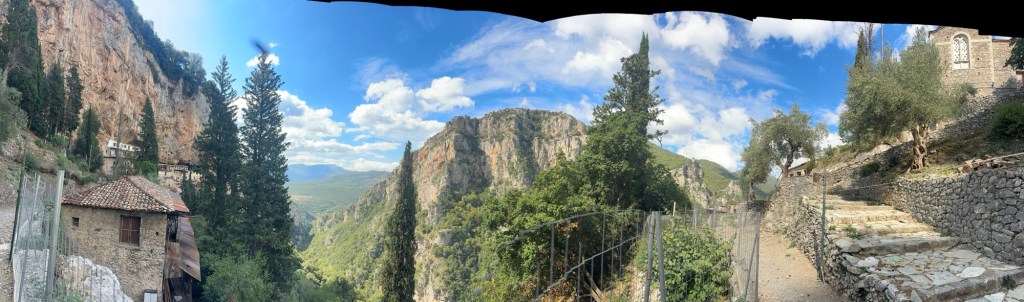
The setting is pristine. It is easy to understand how the chose this site for the monastery, but it is difficult to imagine the labor that was required to construct it.
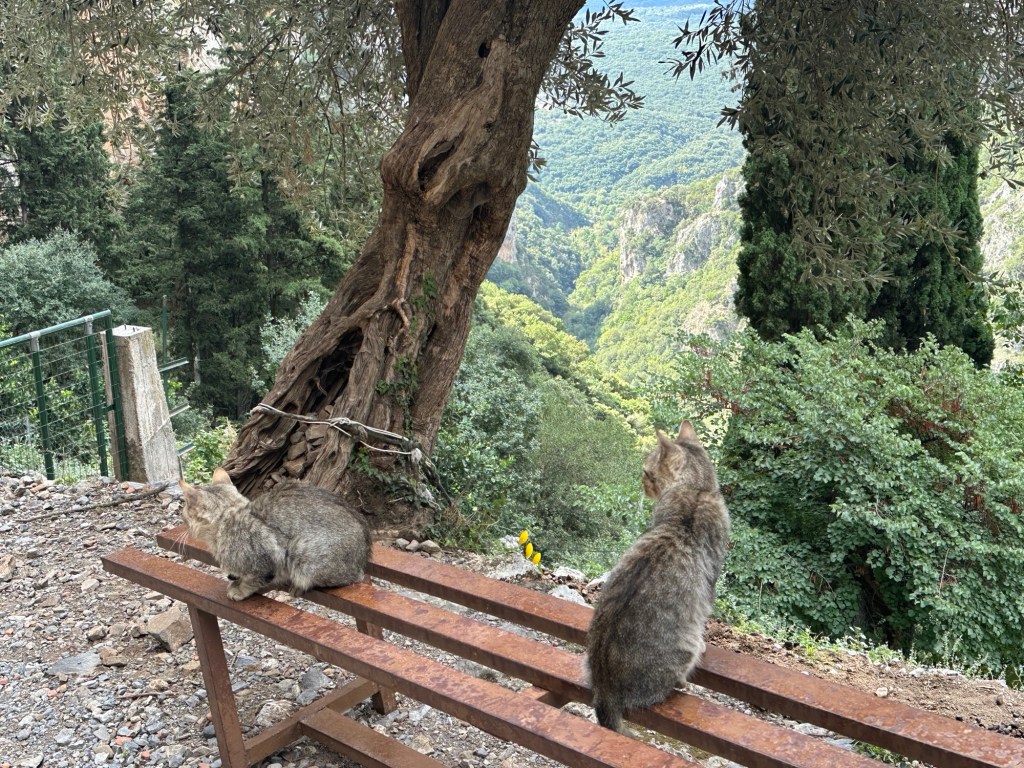
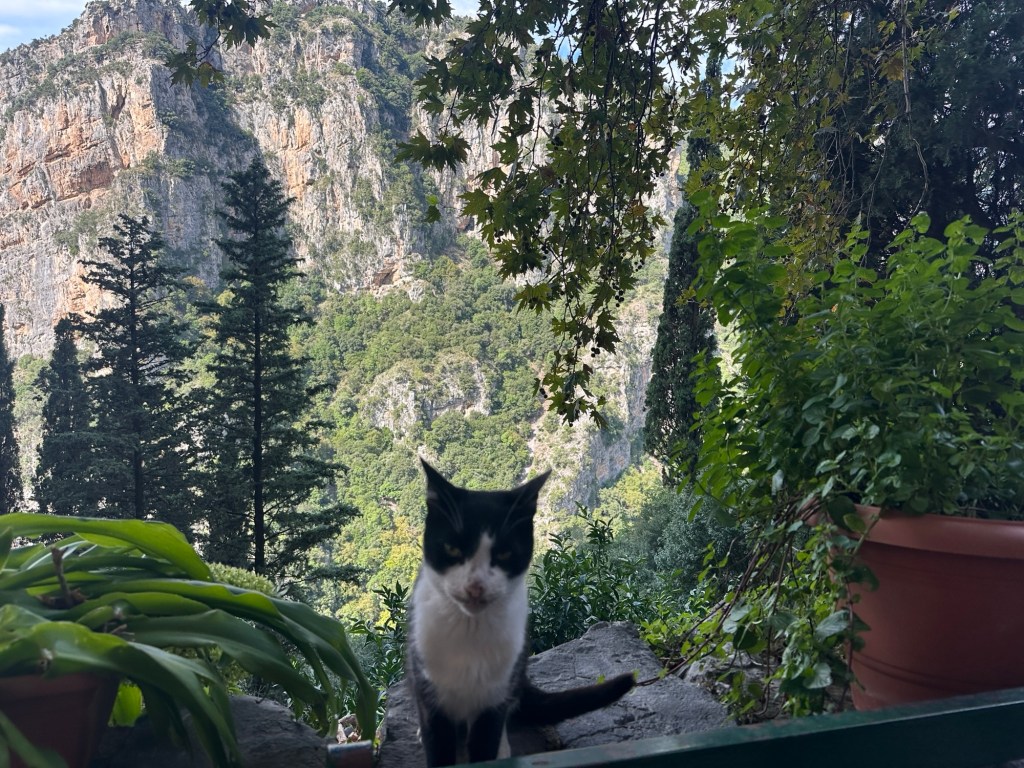
The monastery cats seemed to enjoy the view too.
We rewarded ourselves with a late lunch in the village of Elliniko. Taverna Georeantis was a lovely family run taverna serving only food that is fresh and available from local producers.
We head to the coast of the Mani Peninsula today. We are thankful our Greek travel agent recommended staying in the stone village of Dimitsana. It is a throwback to earlier days without the throngs of tourists we have experienced in other once quaint villages of Europe.

On to the Peloponnese Peninsula

Caterina, our Greek travel agent of Aegean Thesaurus travel, arranged for a rental car to be waiting for us upon disembarking.
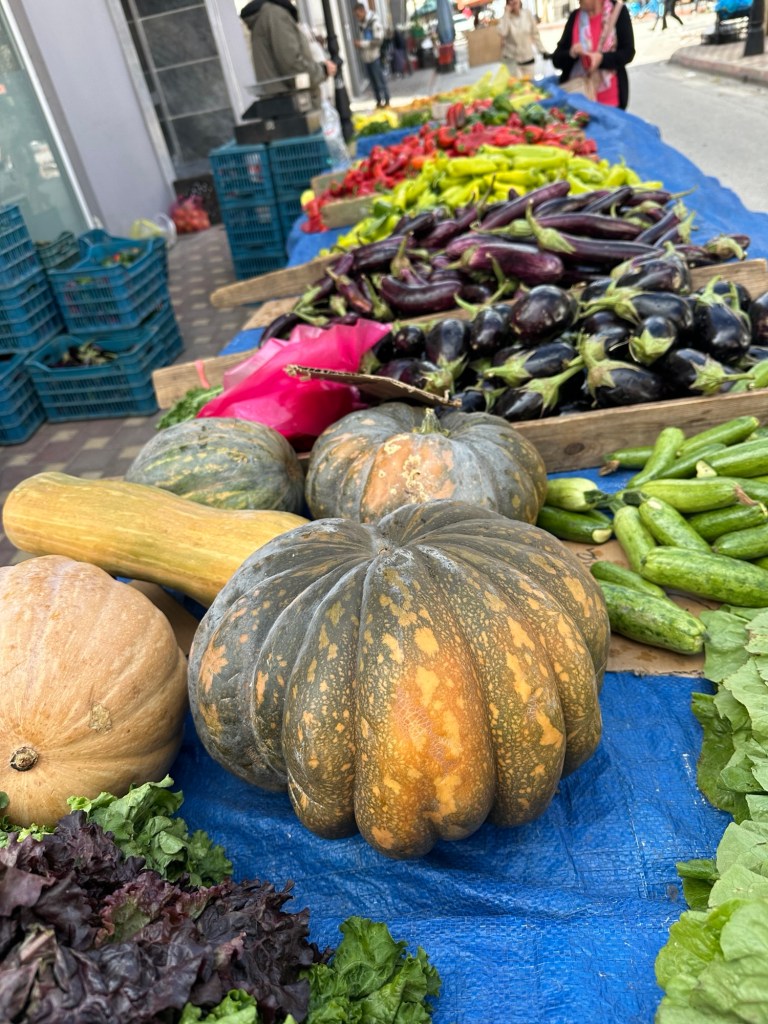
First stop was the town of Nemea where we happened upon a street market. Nemea is known for its excellent wines. Sadly, the town seemed in decline with many abandoned shops. When we asked a local she to told us it was due to climate change affecting the vineyards and the young people leaving for a more vibrant economy. We hear this story in many of the rural towns we have visited, both in Europe and the United States.
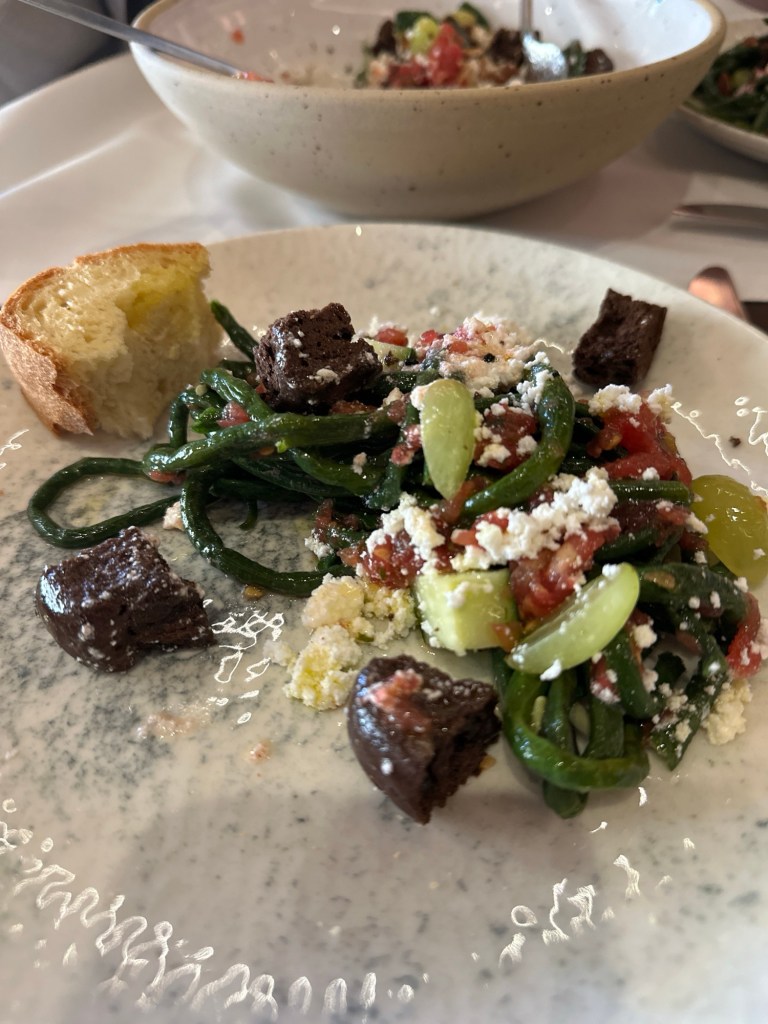
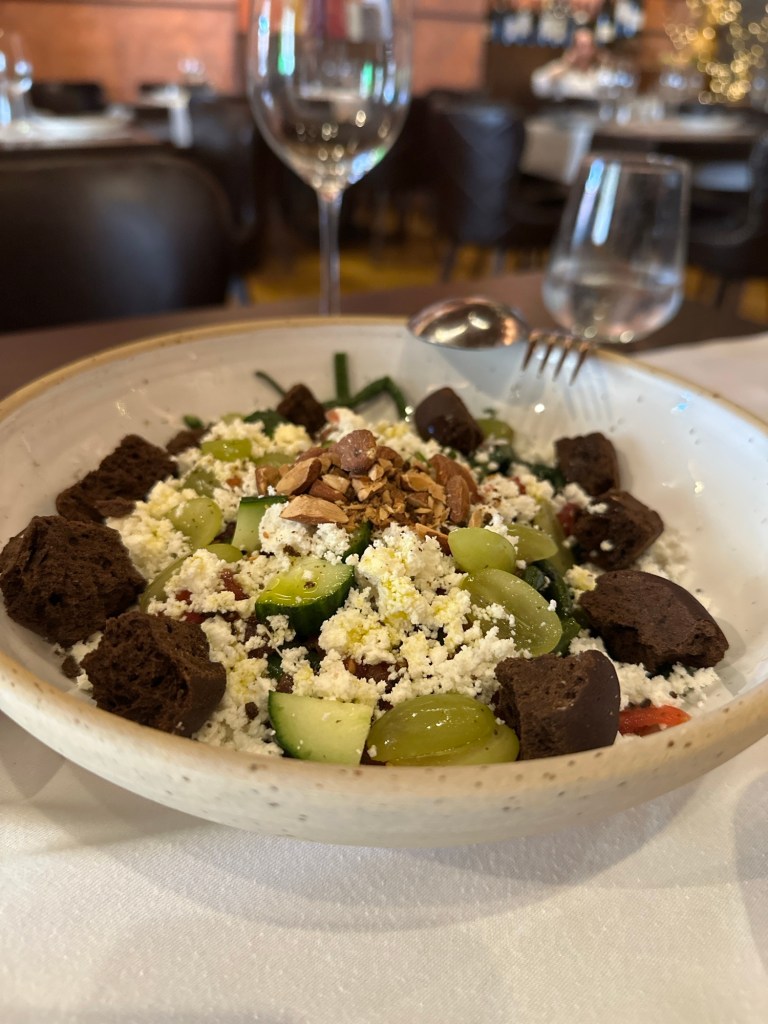
We had lunch at Sosas, a highly recommended restaurant in Nemea. This was their Grape salad, which we are still talking about!
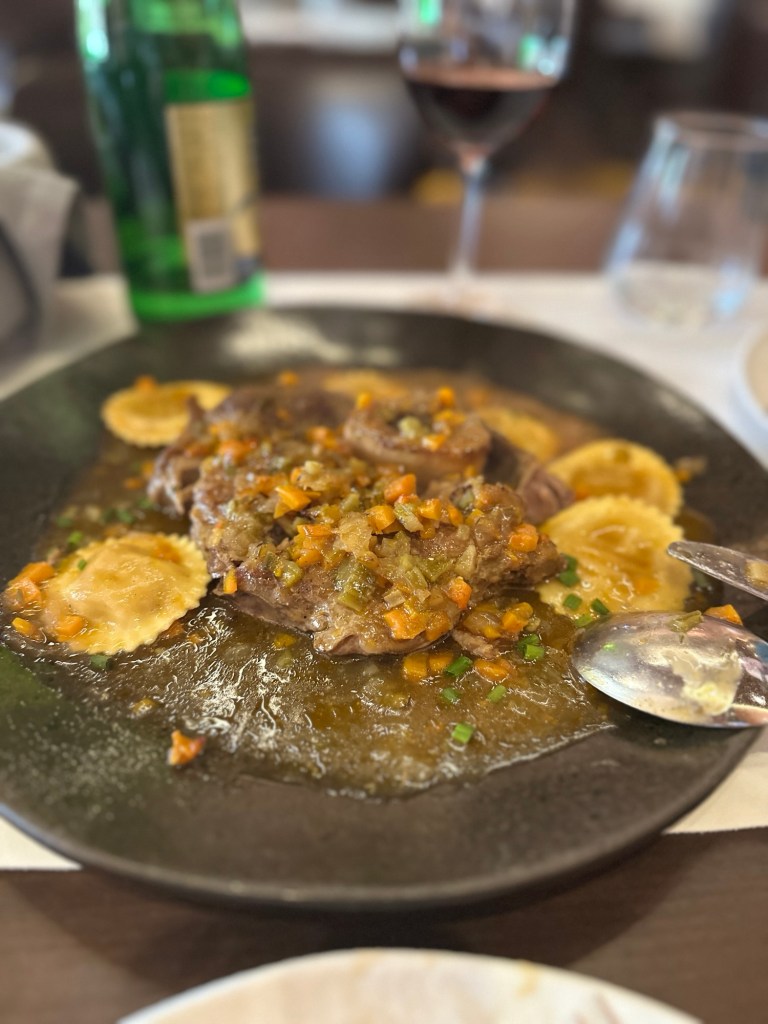
A delicious Osso Bucco with local beef and house made ravioli. 😋
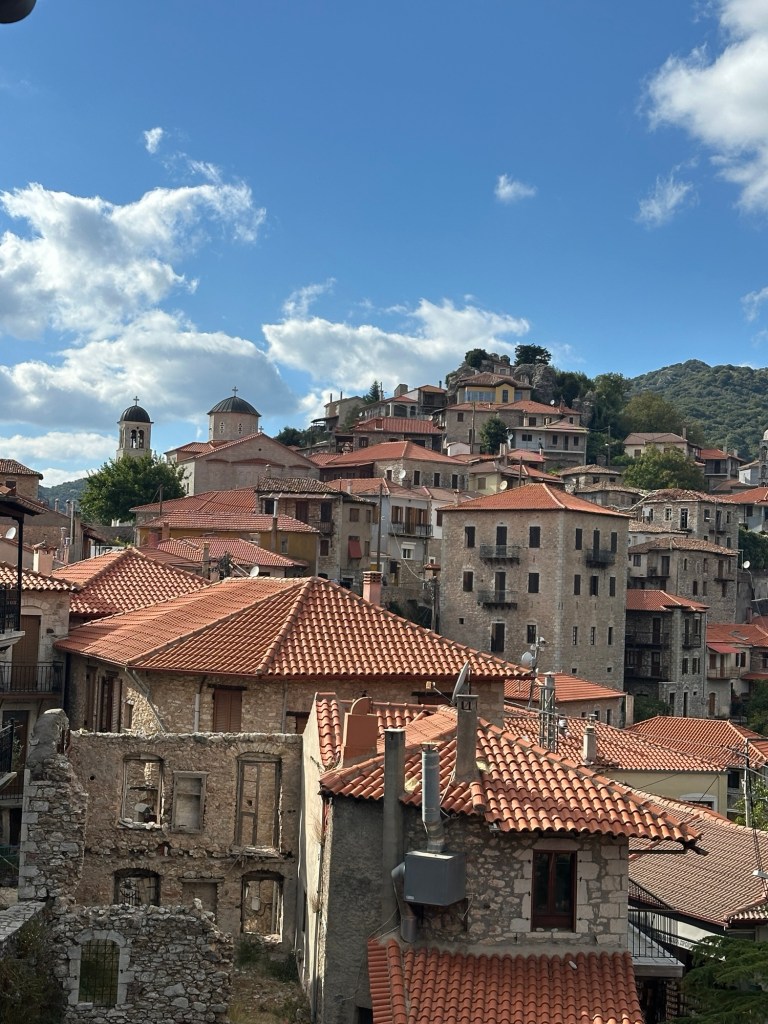
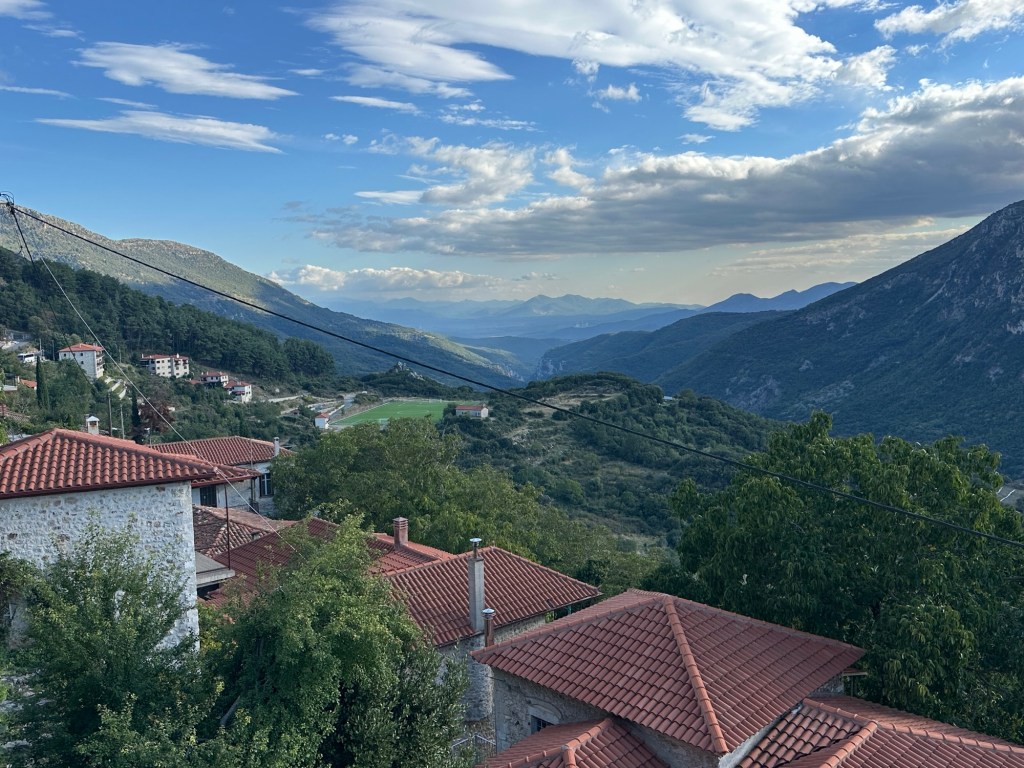
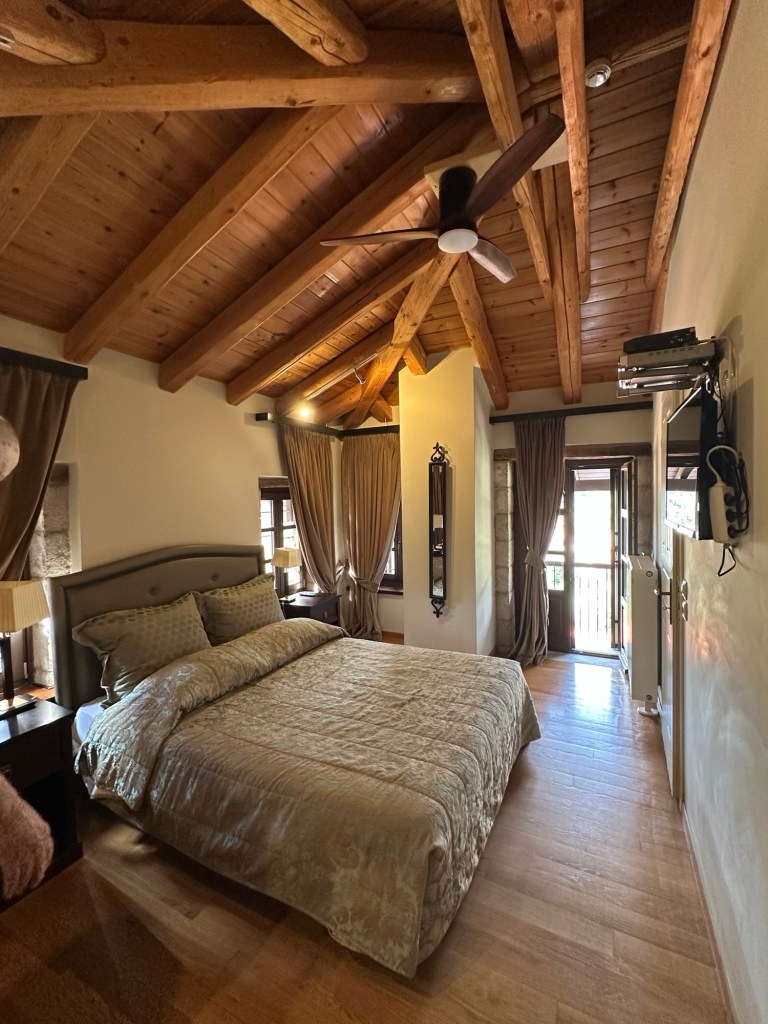
We then drove through the mountainous region of the central Peloponnese to the historic stone village of Dimitsana. The scenery was incredible. We arrived at our hotel built into the mountainside. Our room is charming and the town is so picturesque. There are vistas around every bend in this quaint village.

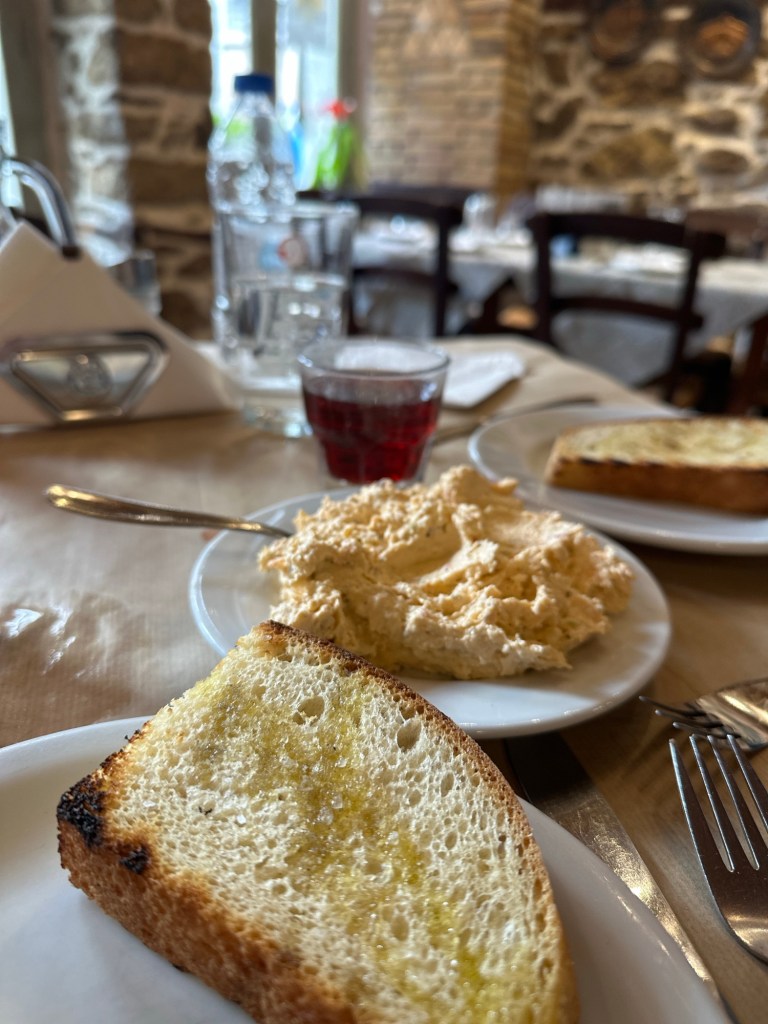
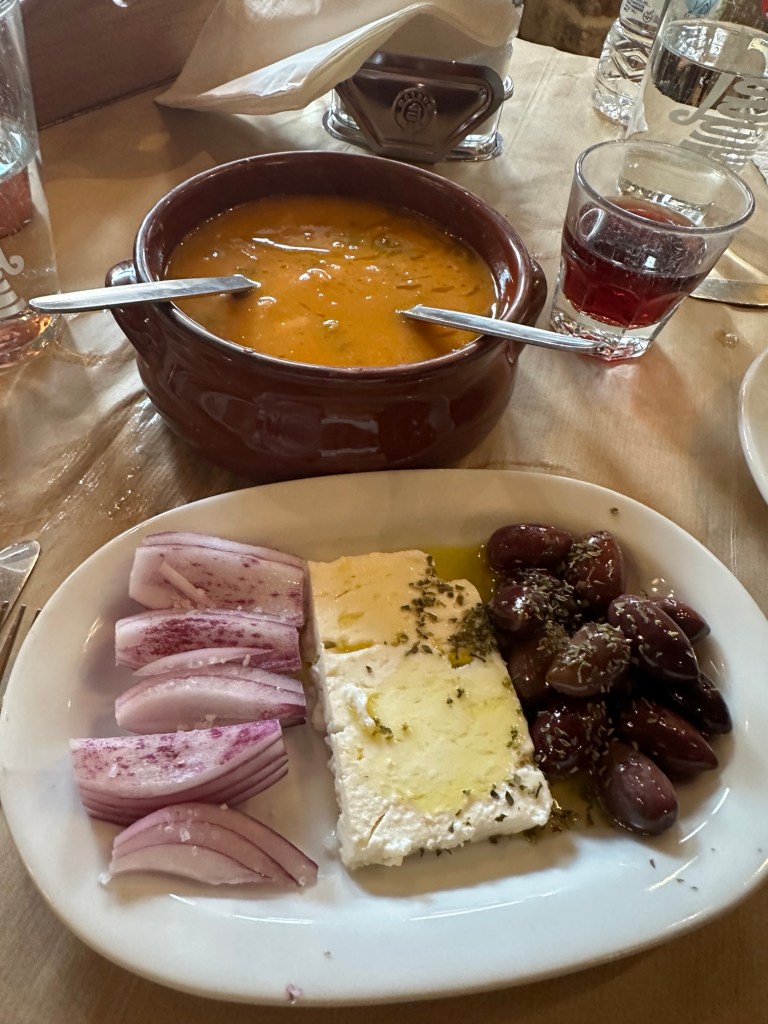
We enjoyed a hearty meal of spicy feta dip and bean soup to warm us and the chilly evening. The temperature dropped to 49* that night!